
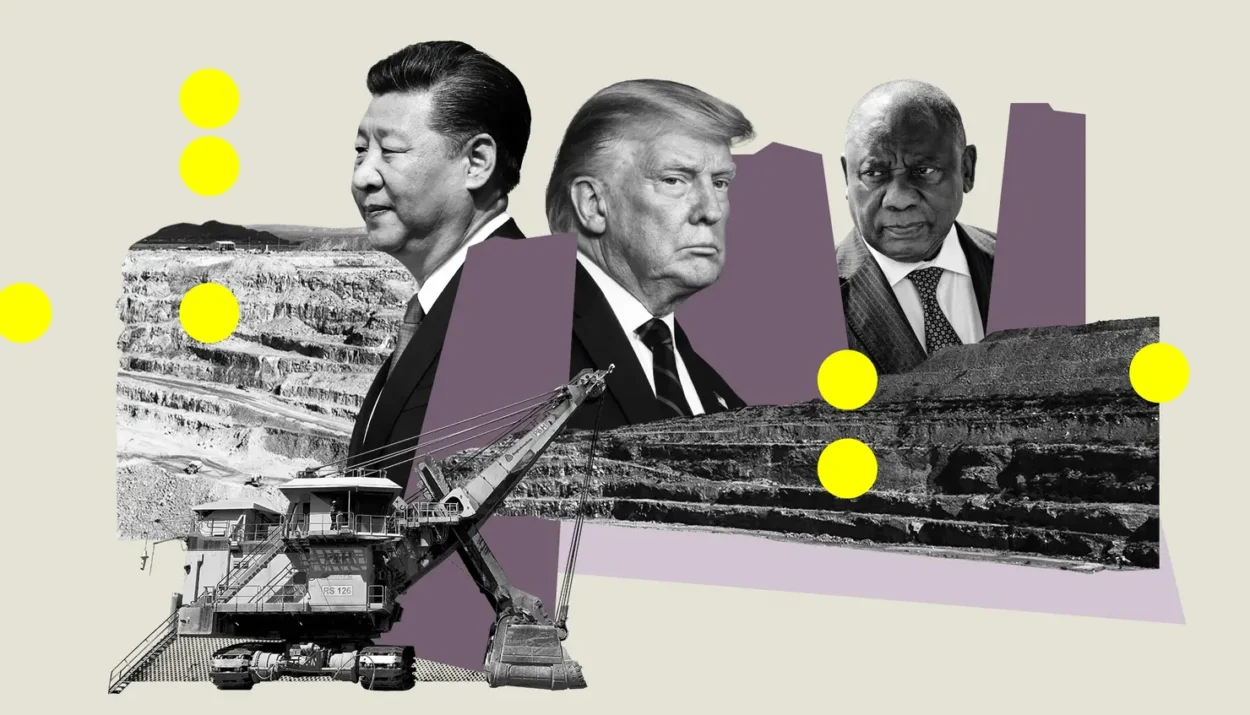

South Africa is using its platinum wealth to attract investment from both the US and China, hoping demand for the metals will strengthen diplomatic ties and create more jobs at home.
The country’s Bushveld Igneous Complex holds around 80% of the world’s known platinum-group metal reserves, giving Pretoria a powerful bargaining tool, according to Semafor.
Washington needs these metals for cars, defence equipment and AI infrastructure, while Beijing is also betting on their role in hydrogen energy. South Africa wants that demand to bring investment in local factories, smelters and processing facilities, beyond purchases from its mines.
Kaamil Alli, a spokesman for South Africa’s trade minister, described the pitch:
“Come and let’s have a mutually beneficial relationship where you undertake processing in South Africa.”
The diplomatic backdrop is difficult. The US imposed 30% tariffs on South African goods last year, while China has removed import duties under its broader African trade policy. Platinum-group metals nevertheless account for more than a third of South Africa’s exports to the US, making the relationship important to both sides.
Why Platinum Matters Beyond Jewellery
Platinum helps catalytic converters reduce harmful vehicle emissions. It also plays a role in hydrogen fuel cells, which generate electricity through a chemical reaction between hydrogen and oxygen.
A background study published by the Regional Studies Association highlights how these applications could create new opportunities for South African mining. But it also stresses that mining needs stronger links with local businesses, worker training and community infrastructure for the benefits to spread.
Hydrogen offers potential, although the pace of adoption remains uncertain. Future demand will depend on whether the technology becomes commercially competitive.
Higher Prices Are Not Enough
South Africa’s immediate challenge is turning mineral demand into higher production.
According to the Mail & Guardian, the economy contracted 0.2% in the second quarter of 2026, while unemployment reached 33.6%, leaving 8.5 million people actively seeking work.
Mining output fell 7.5% year on year in July, despite stronger gold and platinum-group metal prices.
“We are benefiting from higher prices, but we’re not growing our volumes,” said investment strategist Izak Odendaal.
There are signs of progress. Rail freight volumes increased 4.9% to 167.9 million tonnes, and 11 private train operators have been approved. More reliable transport and electricity could help businesses justify new investment.
South Africa has minerals both Washington and Beijing want. The bigger prize is turning that demand into factories, reliable infrastructure and lasting jobs, so the country gains more than a temporary boost from higher prices.
Disclosure: This article does not represent investment advice. The content and materials featured on this page are for educational purposes only.