
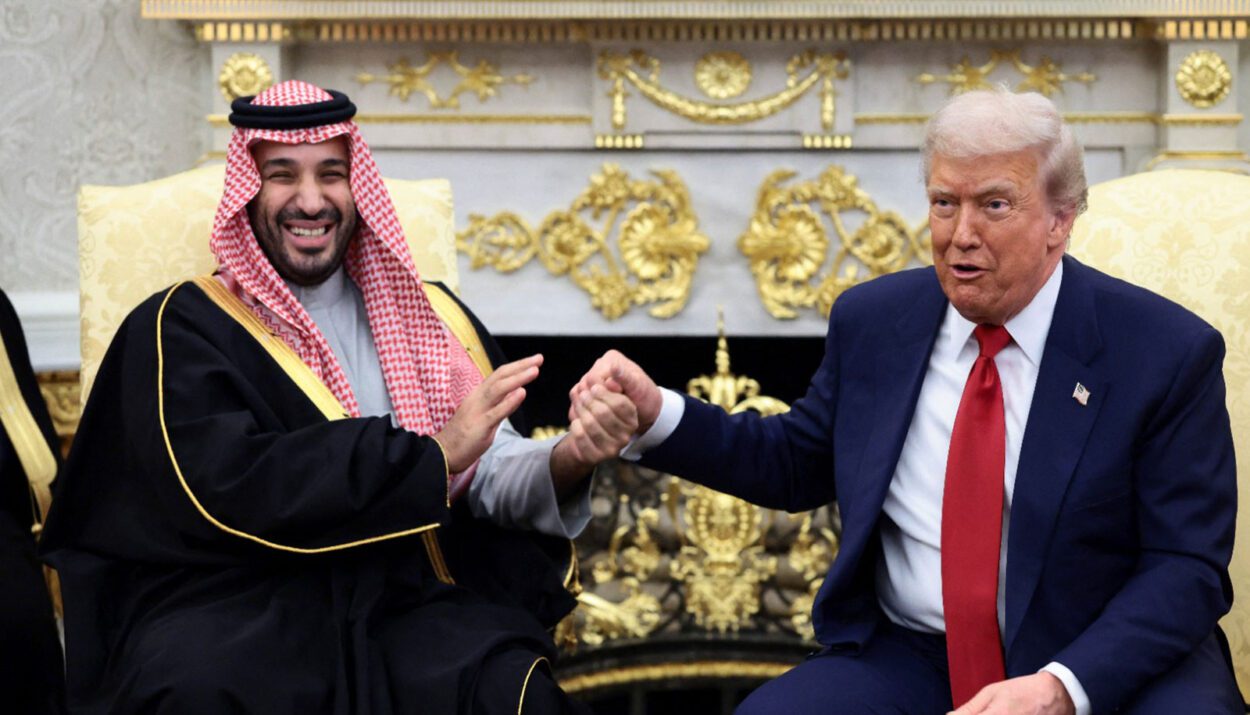

The US and Saudi Arabia have signed a landmark civil nuclear cooperation agreement, establishing the legal framework for a decades-long partnership aimed at expanding the kingdom’s civilian nuclear energy programme while strengthening commercial ties between the two countries.
Related: Trump Adds Israel Recognition Condition to Saudi Nuclear Deal
The agreement, signed by US Energy Secretary Chris Wright and Saudi Energy Minister Prince Abdulaziz bin Salman, includes a Section 123 Agreement and a bilateral safeguards agreement. Together, they create the legal basis for US companies to participate in Saudi Arabia’s nuclear energy programme while committing both countries to nuclear safety, security and non-proliferation standards.
According to the US Department of Energy, the partnership is expected to:
- Expand exports of US nuclear technology.
- Create high-paying jobs and support American supply chains.
- Help Saudi Arabia diversify its energy mix through civilian nuclear power.
- Strengthen US-Saudi strategic and economic cooperation.
- Reinforce international nuclear safety and non-proliferation standards.
The agreement is also intended to boost the competitiveness of the US nuclear industry at a time when countries around the world are increasing investment in nuclear power to meet rising electricity demand and reduce carbon emissions. Saudi Arabia has long sought to develop a domestic nuclear energy sector as part of its broader economic diversification strategy.
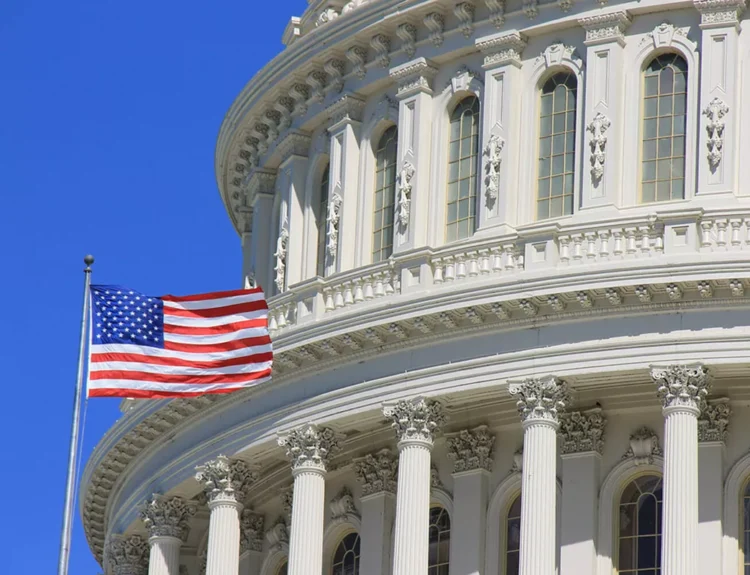
The deal now heads to the US Congress for review before it can fully take effect. While the Trump administration has described it as a historic milestone for both countries, the agreement has already sparked debate among lawmakers and non-proliferation experts over its long-term regional implications.
The announcement also comes as the White House seeks to deepen strategic ties with Saudi Arabia during a period of heightened geopolitical tensions in the Middle East, making energy cooperation an increasingly important part of the broader US-Saudi relationship.
For investors, the agreement could create new opportunities for US nuclear technology providers, engineering firms and energy infrastructure companies that may participate in Saudi Arabia’s planned reactor projects. At the same time, congressional scrutiny is likely to remain a key factor in determining how quickly the partnership moves forward.
Disclosure: This article does not represent investment advice. The content and materials featured on this page are for educational purposes only.