
The global commodity market is changing in a way many people do not notice at first. For years, prices mostly moved according to supply and demand. If there was too much oil or metal, prices dropped. If supply was tight, prices rose. That simple rule is starting to break.
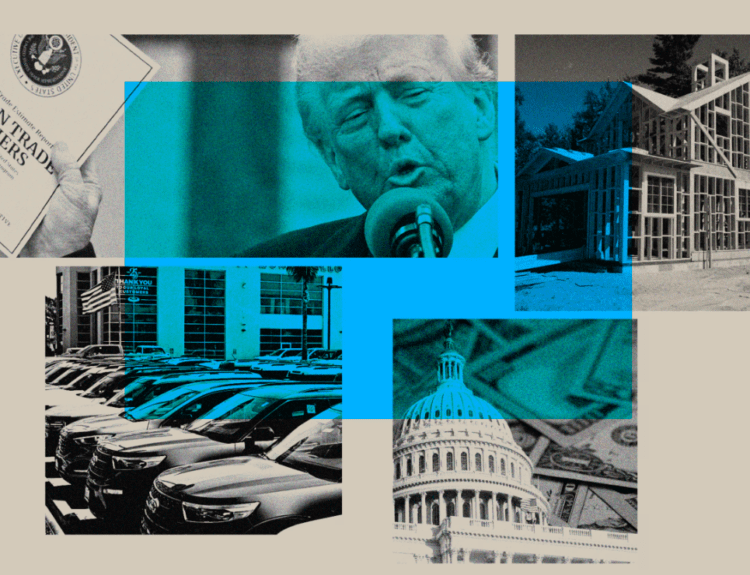
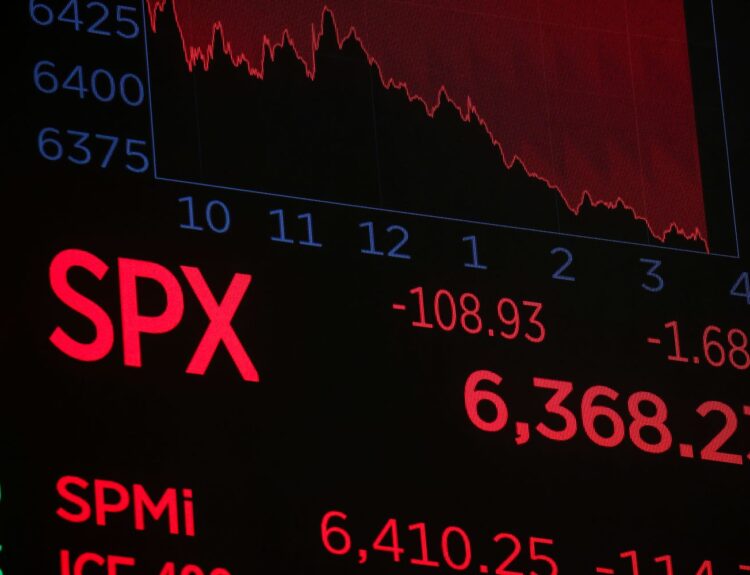
Today, politics, trade barriers, and fear are influencing prices almost as much as real supply.
The strange oil puzzle confusing investors
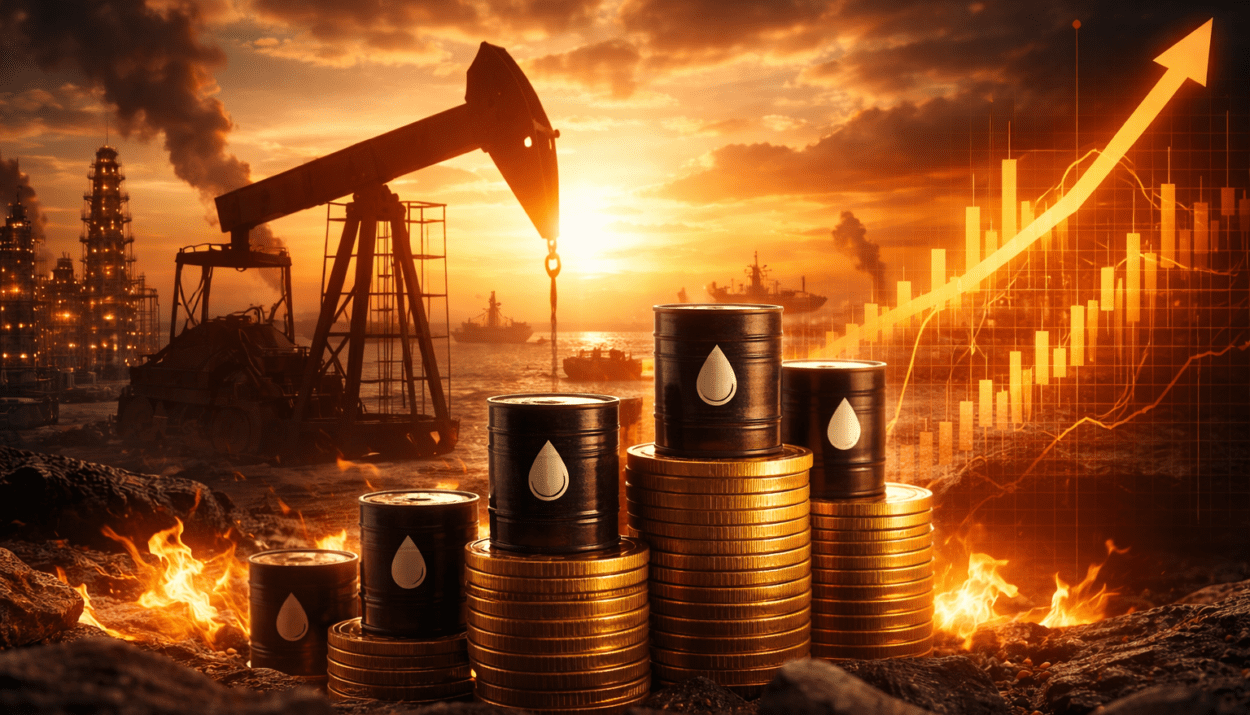
At the start of 2026, analysts expected oil prices to fall. There were strong signs of oversupply. Production was high, forecasts predicted extra barrels, and demand was supposed to slow as clean energy expanded.
Instead, oil prices rose.
Brent crude climbed above recent levels, and traders started buying protection against future price spikes. This happened because markets stopped focusing only on how much oil exists and started focusing on what could suddenly interrupt it.
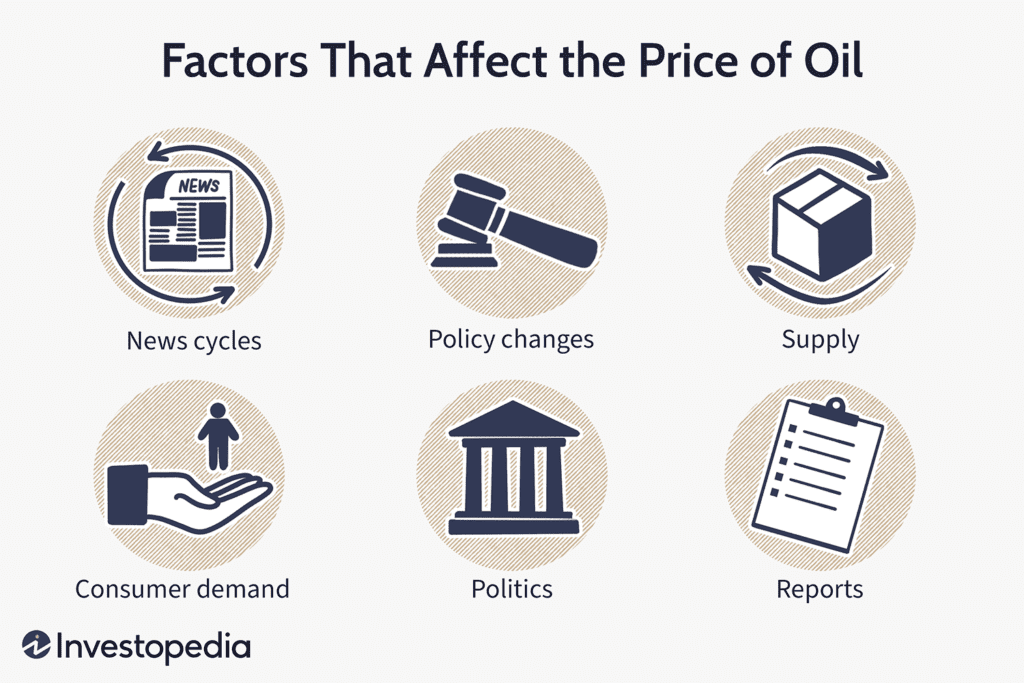
As it is said, traders started pricing risk, not just barrels:
- US and Iran tensions created fear of a supply shock
- The Strait of Hormuz became the main nightmare scenario because so much oil moves through it
- Russia-related disruptions and sanctions also tightened some flows
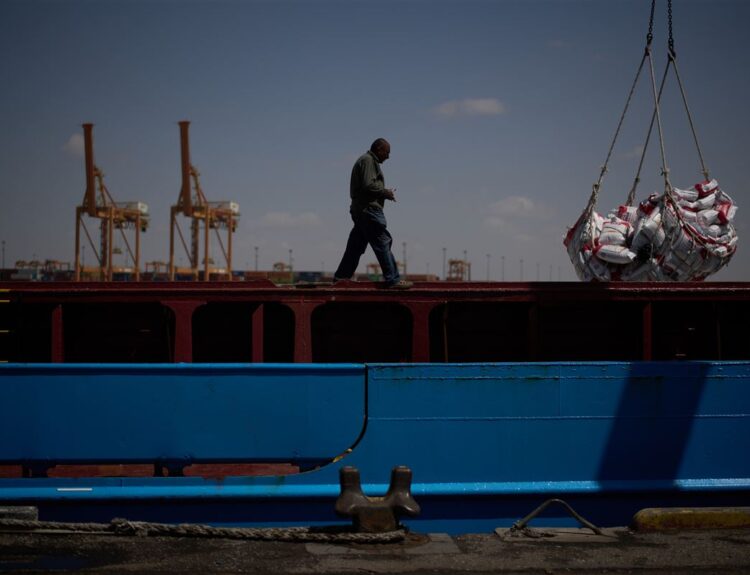
- Red Sea shipping attacks forced longer routes, adding cost and friction
- Demand surprised to the upside in parts of the world, helped by transport needs and weather
All made traders nervous. Even if there is enough oil overall, a single disruption can remove millions of barrels overnight. That risk forces buyers to pay a premium today.
So oil can be oversupplied on paper but still expensive in reality.
More about: Oil Prices Rise Despite Glut Fears as Geopolitics Shake Market
The same pattern is happening across commodities
Oil is not the only market acting differently. Metals show the same behavior.
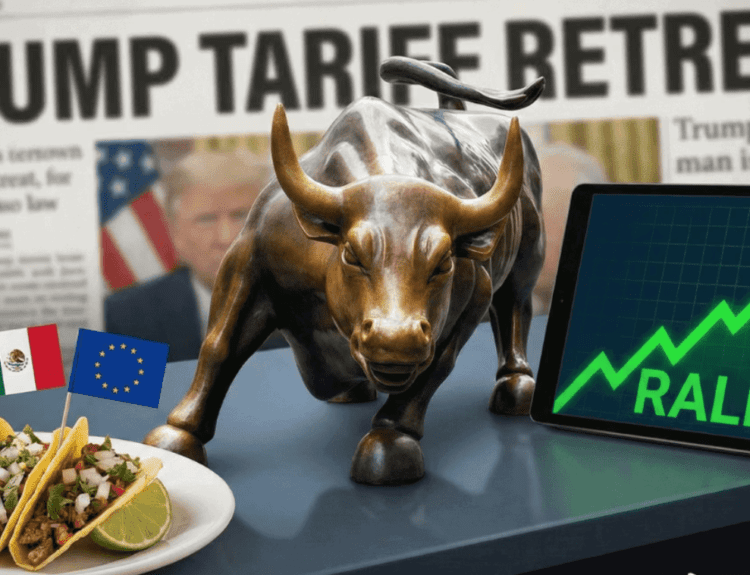
When tariffs were threatened on copper, traders rushed to store it in the US. That pushed US prices far above global prices. Even after policies turned out milder than feared, the stockpiling had already changed supply balances.
Silver saw something similar. Inventories in London became thin, making prices easier to push higher. Aluminum prices surged after steep import duties, creating huge price gaps between regions.
These examples all point to one thing: global markets are no longer fully connected. They are becoming fragmented.
Why markets are fragmenting
Several global shocks over recent years changed how countries think about resources:
- pandemic supply chain breakdowns
- energy and food disruptions after major conflicts
- rising trade barriers
- more sanctions and export controls
Governments now treat commodities as strategic assets. Instead of trusting global markets, they store more resources domestically and restrict exports.
This creates pricing distortions because different regions no longer share the same supply pool. It also makes prices jump more quickly when something unexpected happens.
More about: New Commodity War: How Trade Barriers Are Breaking Global Markets
Why volatility creates winners
When markets become unstable, not everyone loses. Some companies actually benefit from uncertainty, especially those that control supply chains, infrastructure, or refining capacity.
Below are real examples of companies positioned across the oil and gas chain. These illustrate which business models tend to perform well during volatile commodity periods.
Upstream producers
These companies produce oil and gas directly. They benefit most when prices rise or when supply fears appear.
| Company | Ticker | Market Cap (B USD) | Dividend | Strength | Outlook |
|---|---|---|---|---|---|
| ExxonMobil | XOM | ~500 | 3.5% | Major reserves and AI exploration | Production growth expected |
| Chevron | CVX | ~300 | 4.2% | Strong shale focus | Steady expansion |
| ConocoPhillips | COP | ~150 | 3.8% | Large projects pipeline | Rising cash flow |
| EOG Resources | EOG | ~80 | 2.9% | Efficient wells | Stable output |
| Occidental | OXY | ~60 | 1.5% | Debt reduction strategy | Improving balance sheet |
These firms usually gain when oil risk increases because markets expect higher prices.
Midstream infrastructure companies
These operate pipelines, storage, and transport. Their revenue often comes from fees, not oil prices, so they tend to be stable even when markets swing.
| Company | Ticker | Dividend | Strength | Growth Outlook |
|---|---|---|---|---|
| Enbridge | ENB | 5.3% | Huge pipeline network | Moderate growth |
| Enterprise Products | EPD | 6.0% | Export terminals | Stable income |
| Energy Transfer | ET | 7.0% | Diversified operations | Strong growth |
| Kinder Morgan | KMI | 3.6% | Gas infrastructure | Gas demand tailwind |
| Williams | WMB | 4.2% | Power and data center links | Steady expansion |
These companies benefit from energy demand regardless of price direction.
Downstream refiners and processors
Refiners profit when fuel demand is strong or when refining margins widen.
| Company | Ticker | Dividend | Strength | Recent Performance |
|---|---|---|---|---|
| Valero | VLO | 2.8% | Advanced refineries | Strong gains |
| Marathon | MPC | 2.5% | Efficient operations | Solid returns |
| Phillips 66 | PSX | 3.1% | Integrated assets | Stable cash flow |
| ExxonMobil | XOM | 3.5% | Integrated model | Strong performance |
| Halliburton | HAL | 1.8% | Service support | Growth tied to activity |
Refiners often benefit when fuel demand stays high but supply is tight.
The real takeaway
The biggest shift is not just about oil. It is about how the global economy works now. Markets used to be mostly economic systems. Now they are also political systems.
Prices are shaped by: trade restrictions, sanctions, stockpiling, military risks, strategic competition
That means traditional forecasting models do not always work anymore. Supply and demand still matter, but they are no longer the only drivers.
Oil can rise even when there is plenty of oil because traders are not only buying oil. They are buying protection from a shock and uncertainty.
Copper and silver can stay firm even when supply exists because tariffs and stockpiling change where the metal sits, and that can create “local shortages.”
Commodity markets feel more chaotic because trade is no longer fully global and frictionless. It is increasingly shaped by politics, security, and defensive behavior.
That is the new reality of commodities in 2026: Not a world that ran out of resources, but a world that stopped trusting the system that moves them.
Disclosure: This article does not represent investment advice. The content and materials featured on this page are for educational purposes only.