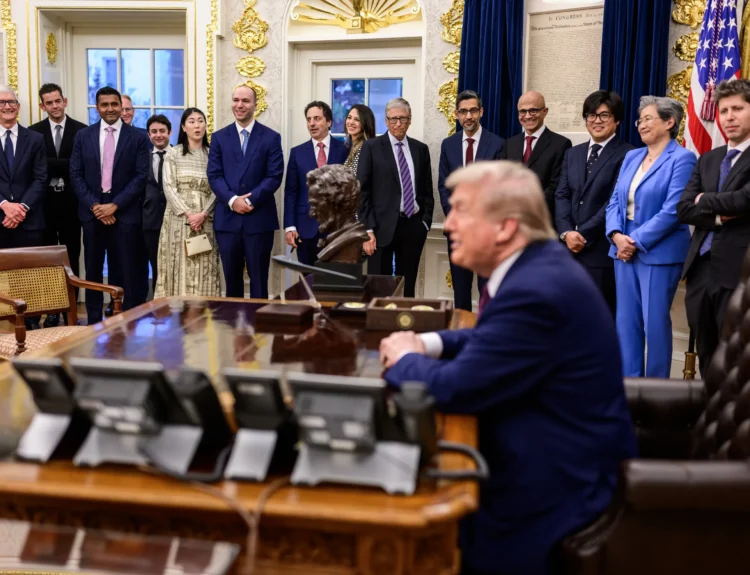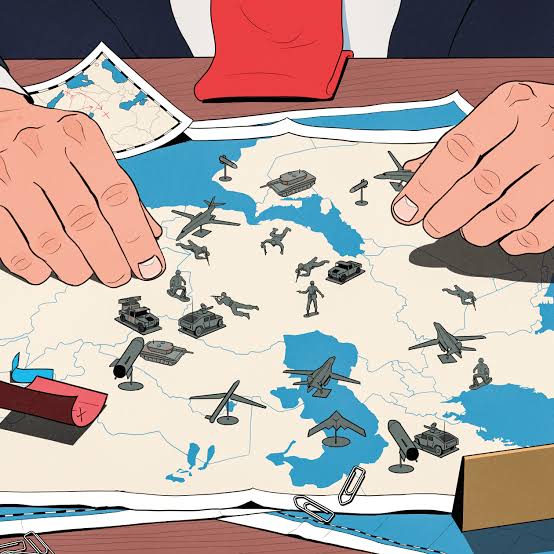

President Donald Trump says the Iran conflict is unlikely to cause serious damage to the US economy, even as renewed fighting raises concerns about oil prices, inflation, and global trade.
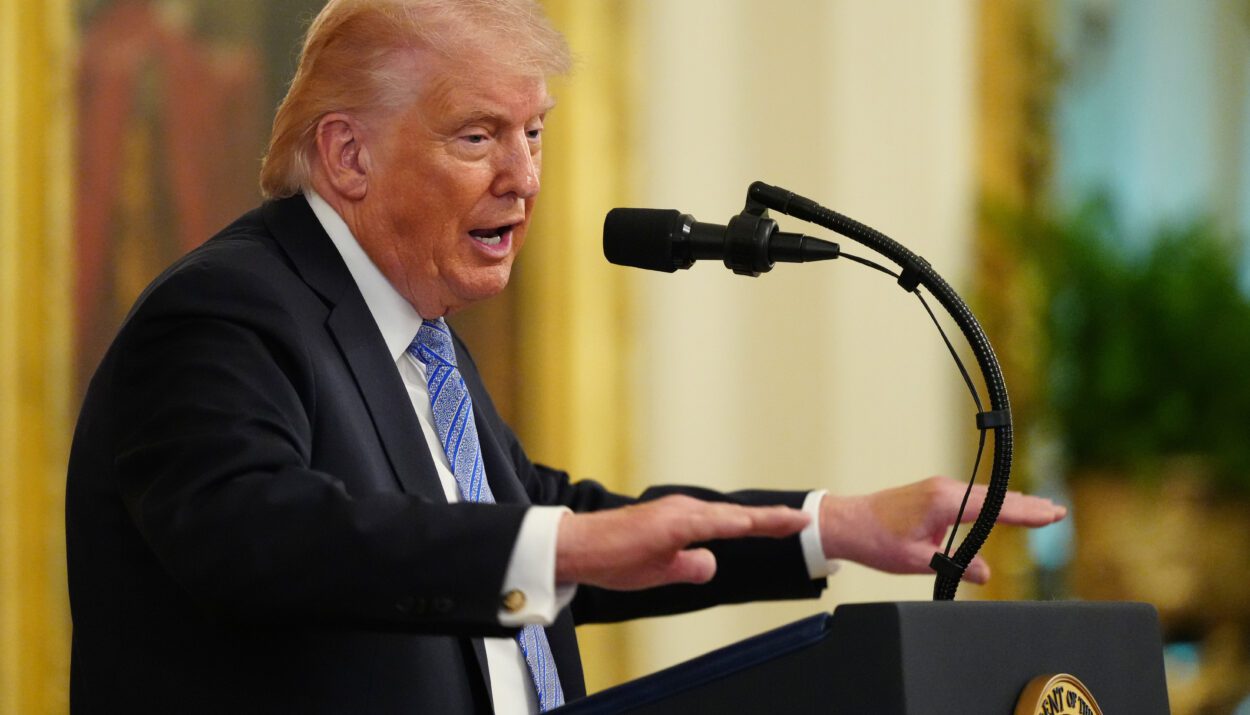
Speaking at the White House, Trump acknowledged that the escalation could temporarily push energy prices higher. However, he argued that the US economy remains strong and is well positioned to manage the pressure.
The main concern for markets is the Strait of Hormuz, one of the world’s most important energy shipping routes. Any prolonged disruption could lead to reduced oil supplies, higher fuel prices, and increased costs for businesses and consumers.
Higher oil prices could affect the economy in several ways:
- Gasoline prices could rise
- Inflation could remain elevated
- Business and transportation costs could increase
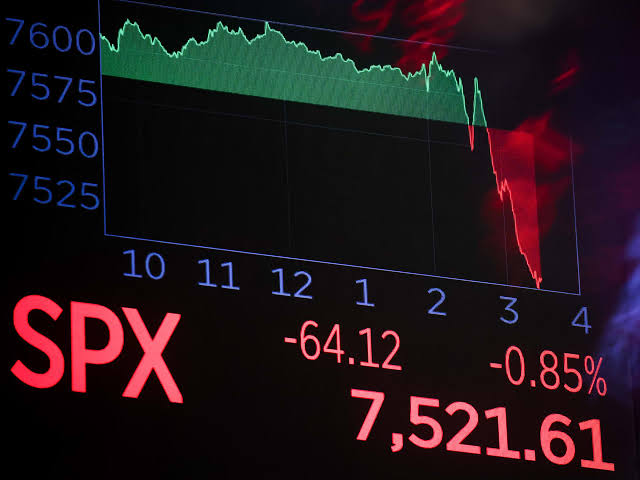
Trump said he still expects inflation to remain under control, but investors are watching the situation closely. A short disruption may have only a limited effect, while a longer conflict could create more pressure across energy markets and the wider economy.
For now, the White House is trying to reassure markets that the economic impact will remain manageable.
But the bigger question is how long the conflict continues and whether oil shipments through the region face further disruption.
Disclosure: This article does not represent investment advice. The content and materials featured on this page are for educational purposes only.