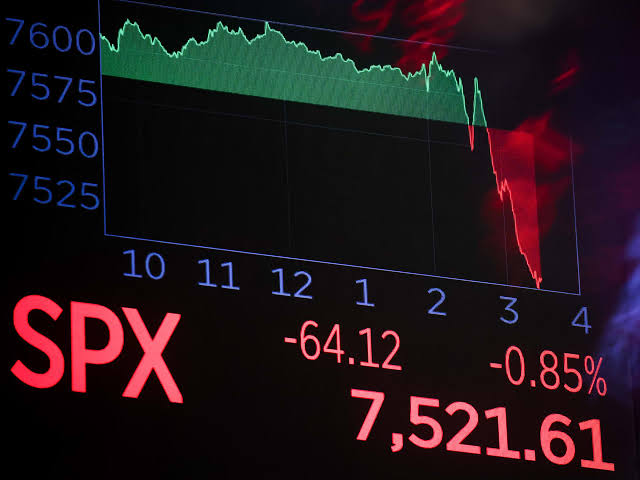



Dividend stocks made a comeback in early 2026 as investors looked for safer areas of the market during a period of volatility and AI-related uncertainty.
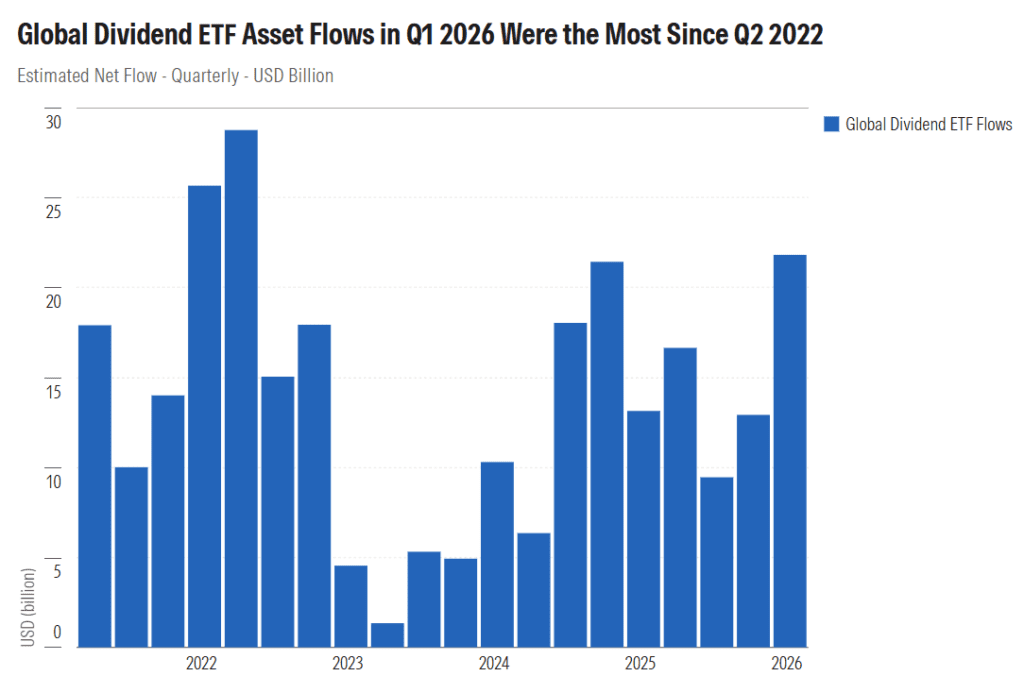
Global dividend ETFs attracted nearly $22 billion in net inflows during Q1 2026, marking the strongest quarter since mid-2022.
The move came as investors shifted toward more defensive sectors while concerns grew around AI disruption, software weakness, and geopolitical risks.
Dividend Stocks Became a Defensive Trade
The demand was not driven mainly by income. Instead, investors appeared to favor dividend stocks for their stability. Sectors benefiting included: Utilities, Industrials, Consumer defensive companies, Basic materials, Energy
The trend was also supported by the so-called HALO trade, focused on businesses with:
- Heavy assets
- Lower obsolescence risk
- More stable operations
Higher oil prices linked to the Iran conflict also helped energy shares.
But Bonds Now Offer Higher Yields
One challenge for dividend investors is that bonds are paying more. As of March:
- Morningstar US Core Bond Index yield: 4.5%
- Morningstar US High Dividend Yield Index: 2.3%
That is a major reversal compared with the period before central banks aggressively raised rates. At the same time, many companies have prioritized: Share buybacks, AI spending, Infrastructure investment instead of increasing cash payouts.
History Shows Timing Has Been Difficult
Morningstar noted similar moves happened before. Investors poured money into dividend ETFs in 2022, when tech sold off and defensive sectors outperformed.
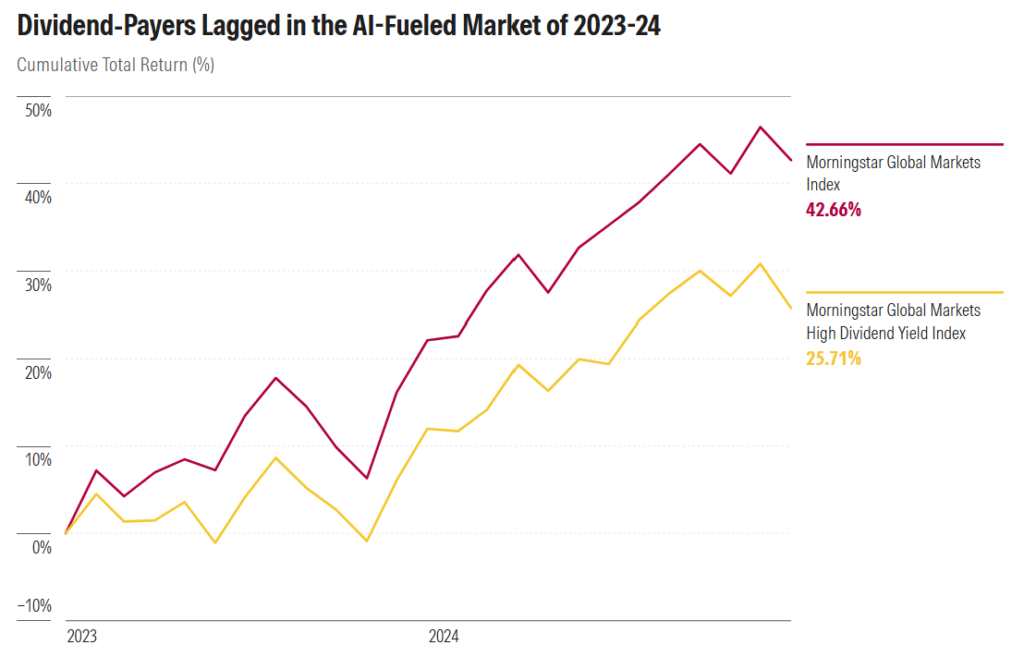
However, dividend stocks later lagged during the AI-driven rally of 2023 and 2024.
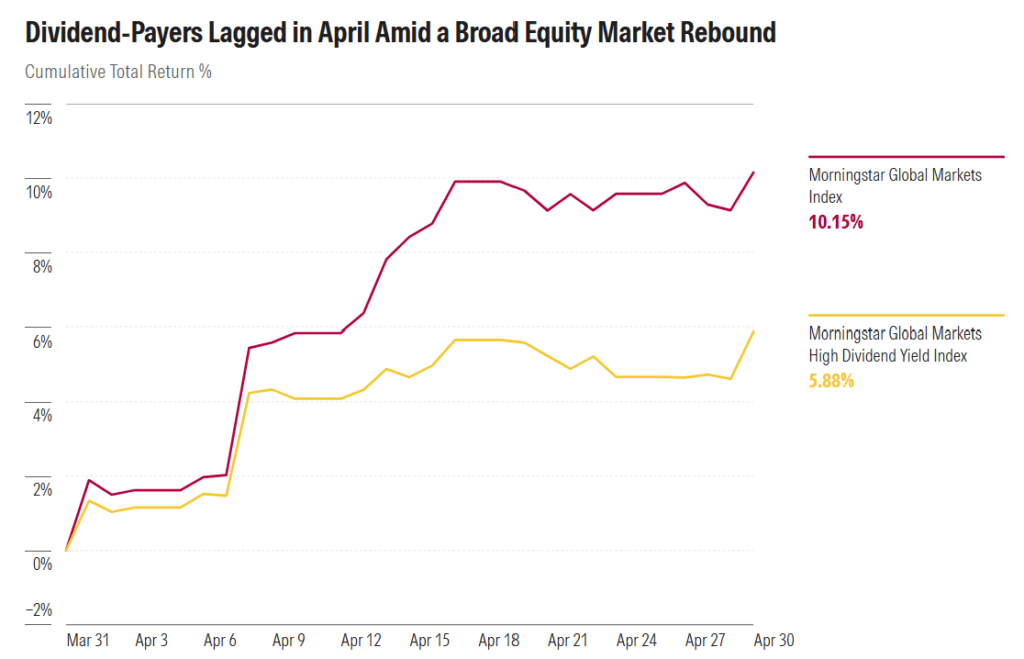
A similar pattern may be forming again. Dividend stocks led during the more defensive environment earlier this year, but technology rebounded strongly in April as markets returned to AI and earnings growth.
Markets are still debating whether that rebound lasts. For now, dividend stocks remain popular.
But the bigger lesson may be this: Dividend investing works best as a long-term strategy, not only when investors suddenly need protection.
More about: Morningstar report
Disclosure: This article does not represent investment advice. The content and materials featured on this page are for educational purposes only.
Related: ETFs vs Mutual Funds: What Investors Need to Know in 2026