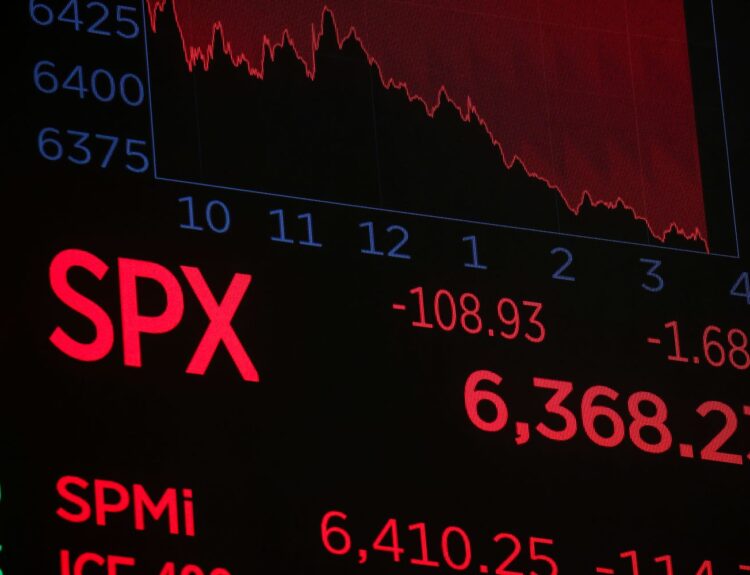

Every financial decision, from choosing a mortgage to managing investment portfolios, often comes down to understanding one thing: interest rates represent the cost of borrowing money. Yet, even seasoned professionals can mix up key concepts like nominal rates versus real interest rates, or assume the Federal Reserve sets every rate in the market. Grasping these details empowers you to make smarter, more profitable decisions in a world where small differences in rates can reshape your entire strategy.
Table of Contents
- Interest Rates Defined And Common Misconceptions
- Types Of Interest Rates And Their Differences
- How Interest Rates Are Determined Globally
- Impact On Loans, Mortgages, And Investments
- Navigating Fluctuating Rates And Avoiding Costly Mistakes
Key Takeaways
| Point | Details |
|---|---|
| Understanding Interest Rates | Interest rates reflect the cost of borrowing, with a crucial distinction between nominal and real rates that affects purchasing power. |
| Market Dynamics | Actual interest rates fluctuate based on supply, demand, and central bank signals, not just policy rates. |
| Type Variations | Different types of interest rates serve distinct purposes and impact loans and investments differently, shaping financial decisions. |
| Proactive Management | Monitoring rates and planning ahead can protect financial health, especially during rate fluctuations. |
Interest Rates Defined and Common Misconceptions
You’ve probably heard interest rates mentioned constantly in financial news, yet many professionals still hold inaccurate ideas about what they actually are. At their core, interest rates represent the cost of borrowing money, expressed as a percentage of the principal amount. When you borrow $10,000 at a 5% annual interest rate, you pay $500 per year for the privilege of using that money. Simple enough, right? The reality gets more nuanced quickly.
A critical distinction most people miss is the difference between nominal rates and real interest rates. Nominal rates ignore inflation, while real rates adjust for it. If you earn 4% on a savings account but inflation runs at 3%, your actual purchasing power only grows by 1%. This gap matters enormously for your investment strategy. A nominal return that looks attractive can actually erode your wealth after accounting for inflation.
Another widespread misconception involves how interest rates get set. Many assume the Federal Reserve directly controls all interest rates in the economy. In reality, the Fed targets specific rates to influence borrowing decisions, but actual market rates fluctuate based on supply and demand. Banks, lenders, and credit markets respond to these Fed signals, but individual rates for mortgages, credit cards, and loans vary considerably.
People also confuse different types of rates without realizing their distinct purposes. Government Treasury securities carry different yields based on maturity, while adjustable rate mortgages operate under completely different mechanics. Understanding these distinctions helps you compare investment options accurately and avoid costly mistakes.
Fixed investments like bonds become more attractive in certain interest rate environments. When you understand how fixed income investments function, you can align them with your interest rate expectations and overall portfolio goals.
Pro tip: Check both the nominal rate offered and the current inflation rate before committing to any long-term investment or loan, as the real rate of return determines your actual financial gain.
Types of Interest Rates and Their Differences
Interest rates come in multiple varieties, and understanding the distinctions between them is crucial for making informed financial decisions. Each type serves a different purpose in the economy and affects your investments and loans differently. Not all rates are created equal, and confusing one for another can lead to poor financial choices.
The most fundamental division is between nominal rates and real rates. Nominal rates are what you see advertised—the raw percentage without adjusting for inflation. Real rates account for inflation’s impact, showing your actual purchasing power gains. A 6% nominal return sounds great until you realize 4% inflation means you only gained 2% in real terms. This distinction determines whether an investment truly builds your wealth.

Policy rates set by central banks like the Federal Reserve form another critical category. These are the baseline rates that influence everything else in the economy. When the Fed adjusts its policy rate, banks adjust their prime lending rate accordingly, which cascades down to mortgages, credit cards, and savings accounts. Understanding different types of interest rates helps you see how these mechanisms interconnect.
Market rates—what actual lenders and borrowers agree upon—often diverge from policy rates based on risk and demand. A bank might charge you 7% on a mortgage while charging another borrower 6.5% based on credit scores and market conditions. Corporate bond rates differ from Treasury rates. Credit card rates operate in their own sphere entirely. These variations reflect the actual cost of money in different contexts.
Fixed rates lock in one percentage for the entire loan or investment term, while variable rates fluctuate with market conditions. Fixed rates offer predictability but often cost more upfront. Variable rates start lower but expose you to future increases. Your choice depends on your risk tolerance and economic outlook.
Discount rates, mortgage rates, savings account rates, and bond yields all operate under different mechanisms. Each serves specific financial functions. Recognizing these differences prevents you from accidentally comparing apples to oranges when evaluating opportunities.
Pro tip: Always request both the APR (annual percentage rate) and the actual interest rate when considering loans, as APR includes fees while the base rate doesn’t, giving you a complete picture of the true cost.
Here’s how key interest rate types differ:
| Rate Type | What It Measures | Typical Use Cases | Impact of Inflation |
|---|---|---|---|
| Nominal Rate | Raw percentage quoted | Loans, advertised rates | Not adjusted; can mislead |
| Real Rate | Inflation-adjusted return | Investment analysis | Shows true profit |
| Policy Rate | Central bank benchmark | Influences economy-wide | Central banks factor it |
| Market Rate | Actual agreed rate | Mortgages, bonds | May rise or fall based on market conditions |
How Interest Rates Are Determined Globally
Interest rates aren’t set in a boardroom by a single authority. They emerge from a complex interaction between central bank policies, market forces, and government regulations operating across borders. Understanding this global system helps you see why your local mortgage rate moves when the European Central Bank makes announcements.
Central banks form the foundation of rate determination. The Federal Reserve, European Central Bank, Bank of England, and others set policy rates that influence their domestic economies. When these institutions adjust rates, they’re trying to manage inflation and employment. Central banks use monetary policy tools like open market operations to adjust money supply, which ripples through their entire financial systems. A rate change in one country sends signals that echo globally.
Market forces then take these central bank signals and create actual lending rates. Banks don’t automatically follow the Fed’s moves exactly. They assess risk, competition, and their own funding costs. If the Fed raises rates but banks expect a recession, they might not pass the full increase to borrowers. Supply and demand for credit constantly adjusts the actual rates people face.
Governments also impose regulations on interest rates. Some countries have anti-usury regulations limiting maximum lending rates to protect consumers. These rules vary dramatically by nation. A rate acceptable in one country might violate regulations elsewhere. These protections reflect different policy priorities around the world.
Exchange rate regimes matter too. Countries with fixed exchange rates experience different rate dynamics than those with floating currencies. A developing nation pegged to the US dollar must closely mirror American rates or face currency pressure. Flexible currency countries have more independence but face different trade-offs.
Global interconnectedness means no country sets rates in isolation anymore. Capital flows between nations seeking the best returns. Interest rate differentials between countries attract or repel investment. Your local rates ultimately reflect worldwide economic forces, not just domestic decisions.
Pro tip: Monitor central bank announcements from major economies like the US, Europe, and China, as their policy decisions often trigger rate adjustments in your own country within weeks, giving you advance warning to adjust your portfolio.
Impact on Loans, Mortgages, and Investments
Interest rate changes ripple through your financial life in ways you might not immediately notice. When rates move, they affect what you pay on loans, what you earn on investments, and how much house you can afford. These aren’t abstract economic concepts—they directly hit your monthly budget and long-term wealth.
Mortgages feel the impact almost immediately. If you have a variable or short-term fixed rate mortgage, rising interest rates increase your monthly payment substantially. Someone with a $400,000 mortgage at 3% pays roughly $1,686 monthly. That same mortgage at 6% jumps to $2,398. The difference of over $700 per month adds up to $8,400 yearly. Fixed-rate mortgages protect you from increases, but they typically cost more upfront to lock in that security.
Housing prices themselves shift as interest rates change. Higher rates reduce how much buyers can borrow, which decreases demand and often lowers home prices. Conversely, falling rates increase buying power and can push prices up. Rising interest rates affect mortgage credit supply and residential investment patterns, influencing whether lenders aggressively offer mortgages or tighten requirements.
Personal loans and credit cards respond even faster than mortgages. These typically use variable rates tied to prime lending rates. When the Fed raises rates, credit card companies often increase your rate within weeks. If you carry a $5,000 balance at 18%, you’re paying $75 monthly in interest alone. At 22%, that becomes $92. These increases hurt people carrying debt more than those with cash reserves.
Understanding borrowing basics helps you navigate variable rate products and recognize when refinancing makes sense. Fixed-rate loans insulate you from increases but offer less benefit when rates fall.
Investment returns shift dramatically too. When rates rise, bond prices fall because their fixed payments become less attractive compared to new bonds offering higher yields. Stock investors face competition from safer bonds now offering better returns. Real estate investment trusts and dividend stocks become less appealing when savings accounts and money market funds suddenly offer 5% returns instead of 0.5%.
Pro tip: If you expect interest rates to rise soon, lock in fixed-rate loans now while rates are lower, and shift some investments toward bonds or bond funds to capture higher yields as rates increase.
Here’s a summary of how changing interest rates affect major financial decisions:
| Financial Product | Rate Increase Effect | Rate Decrease Effect | Key Consideration |
|---|---|---|---|
| Mortgage | Higher payments, less buying power | Lower payments, easier qualification | Fixed vs. variable terms |
| Credit Card/Loan | Increased cost, budget strain | Reduced cost, easier payoff | Variable rate sensitivity |
| Bond Investment | Prices drop, higher yields | Prices rise, lower yields | Maturity timing |
| Real Estate | Prices may dip, slower demand | Prices may rise, greater demand | Affordability shifts |
Navigating Fluctuating Rates and Avoiding Costly Mistakes
Fluctuating interest rates create both opportunities and pitfalls. The professionals who thrive during rate volatility share one trait: they plan ahead instead of reacting in panic. Your decisions during rate shifts either protect your wealth or expose it to unnecessary risk.
The biggest mistake people make is ignoring rate changes until they hit. You get a mortgage at 3% thinking rates will stay low forever. Then rates jump to 6%, and suddenly refinancing costs thousands more. By then, you’ve already lost the advantage. Proactive planning means monitoring rate trends and understanding when to act before everyone else does.
Debt management becomes critical in volatile environments. Managing debt prudently during higher interest rates prevents defaults and financial stress, which is why assessing your borrowing capacity matters now, not later. If you’re carrying variable-rate debt, calculate what happens if rates rise 2%, 3%, or 4% more. Can your budget absorb it? Many borrowers discover they cannot only after rates have already increased.
Fixed versus floating rate decisions require careful thought. Lock in fixed rates when you’re confident rates will rise. Keep variable rates when you expect them to fall. Don’t gamble. If you cannot afford the worst-case scenario, choose the fixed rate. The peace of mind is worth paying slightly more upfront.
Interest rate risk affects your investment portfolio too. Managing fixed versus floating rate assets helps avoid costly mismatches between what you own and what the market demands. When rates rise, bond prices fall. If you need that money soon, this hurts. If you can wait, you benefit from higher reinvestment rates. Understanding market volatility and investment risks helps you build a portfolio that withstands rate swings without forcing panic sales.
Maintain financial buffers. Build emergency reserves and avoid maxing out your borrowing capacity. When rates rise, the safety margin between your income and obligations shrinks fast. People with cushions weather rate increases calmly. People without cushions make desperate decisions they regret.
Pro tip: Calculate your break-even point before refinancing any loan: determine exactly how long you need to stay in the loan for monthly savings to exceed refinancing costs, accounting for closing fees and current rates.
Take Control of Your Financial Future Amid Rising Interest Rates
Understanding how interest rates affect mortgages, loans, and investments is just the first step. The real challenge comes when you try to apply this knowledge to protect your wealth and make smart decisions during times of rate volatility. If you feel overwhelmed by variable rates, inflation-adjusted returns, or the complex impact of central bank policies, you are not alone. Many investors and borrowers struggle to navigate these shifting financial tides without expert guidance.
At Finblog, we specialize in helping you translate interest rate concepts like nominal and real rates, policy and market differences, and fixed versus variable options into actionable strategies tailored to your goals. Don’t wait until rising rates increase your loan payments or eating away your investment returns. Explore our insights on managing debt prudently and understanding borrowing basics to prepare your finances now. Visit us today and secure your path with expert advice designed for tomorrow’s financial realities.
Frequently Asked Questions
What is the difference between nominal and real interest rates?
Nominal interest rates are the raw percentages advertised for loans and investments, not adjusted for inflation. Real interest rates account for inflation, showing the actual purchasing power gained or lost. Knowing the difference can significantly impact your investment strategy.
How do interest rate changes affect my mortgage payments?
When interest rates rise, your mortgage payments can increase, particularly if you have a variable-rate mortgage. For example, a mortgage at 3% versus 6% can lead to a monthly payment difference of over $700 on a $400,000 loan.
What factors determine how interest rates are set?
Interest rates are influenced by central bank policy rates, market demand and supply, and government regulations. Central banks like the Federal Reserve set the baseline rates, but actual market conditions and borrower risks can lead to variations in mortgage and loan rates.
How do rising interest rates impact investments in bonds?
When interest rates rise, bond prices typically fall because existing bonds with lower rates become less attractive compared to new bonds offering higher yields. Investors should consider the maturity of their bonds and when they may need access to their principal investment to avoid potential losses.