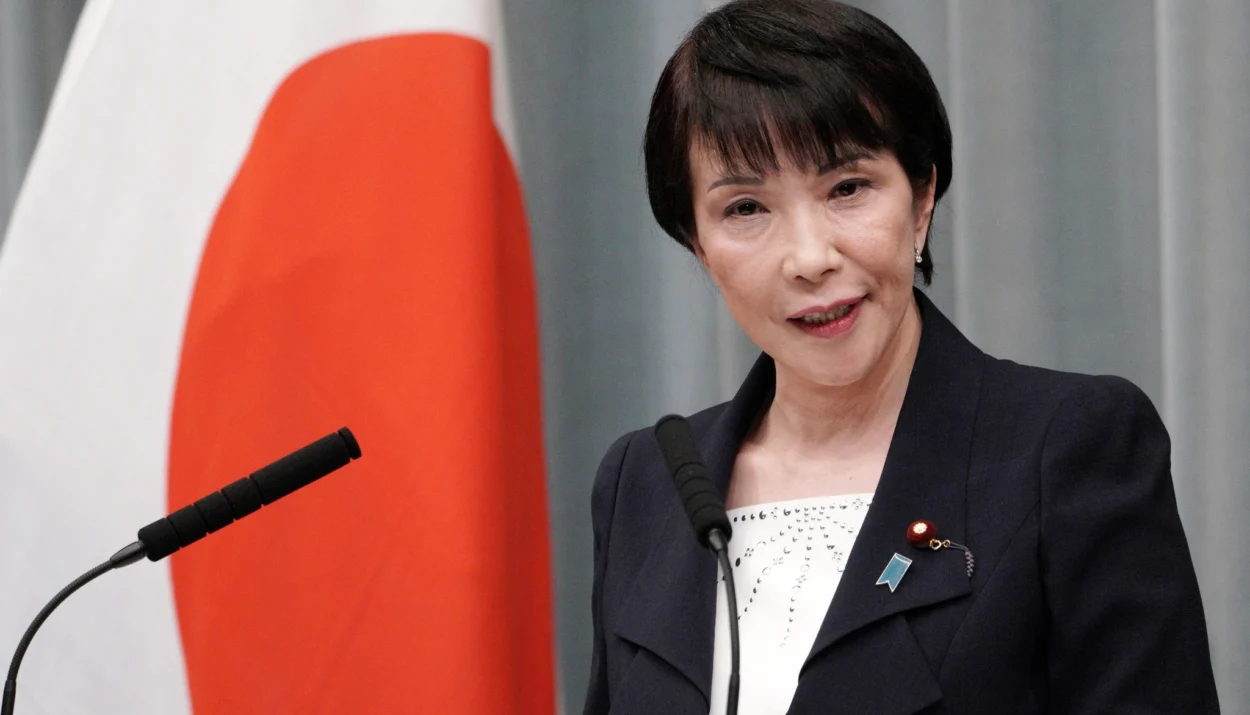

Japan’s new prime minister is moving fast. Voters just gave Sanae Takaichi a mandate, backing an aggressive shift toward stimulus, tax relief, and state led investment even as debt risks rise.
In her first 110 days in office, Sanae Takaichi has pushed through a record supplemental budget, accelerated defense spending, and outlined large public investments in artificial intelligence and semiconductor manufacturing. Her snap election victory signals public support for what she calls a proactive fiscal policy shift.
Big spending, big questions
Takaichi is also floating a suspension of parts of Japan’s consumption tax. The Ministry of Finance Japan estimates the move could cost more than $30 billion a year. That prospect rattled bond markets, sending benchmark yields higher as investors questioned how the government would fund the plan given Japan’s already heavy debt load.
Stocks cheer, bonds hesitate
While bonds wobbled, equities told a different story. The Nikkei 225 and other benchmarks have traded near record highs, helped by a weaker yen and strong corporate earnings. Markets appear to be betting that growth and profits can offset fiscal risks, at least for now.
Inflation cools, wages may catch up
After years of deflation, inflation pressures are finally easing. Economists expect consumer price growth to slow toward 1% year on year in coming months. If that happens, wages could begin to outpace prices, offering relief to households hit hard by higher energy and food costs.
A note from Goldman Sachs argues Japan may be entering a virtuous cycle, with rising wages supporting demand alongside moderate inflation.
China remains the wild card
The biggest external risk is China. Tensions with China have already led to restrictions on Japanese seafood imports, tourism, and signals of limits on critical mineral exports. Economists warn that a prolonged standoff could erase up to a year of Japan’s projected growth.
Voters have backed Takaichi’s bold economic reset. Markets are split, with stocks optimistic and bonds cautious. The success of her agenda now hinges on whether growth accelerates fast enough to justify the spending, and whether geopolitical risks stay contained.
Disclosure: This article does not represent investment advice. The content and materials featured on this page are for educational purposes only.
Related: Why Investors Are Worried About Japan’s Bond Market
Japan Bond Market Explained: Why Yen Carry Trade Still Moves Stocks And Crypto?