
A growing debate is emerging on Wall Street over whether financial markets can continue climbing without support from the Fed, as the US national debt continues to rise and the central bank shrinks its balance sheet.
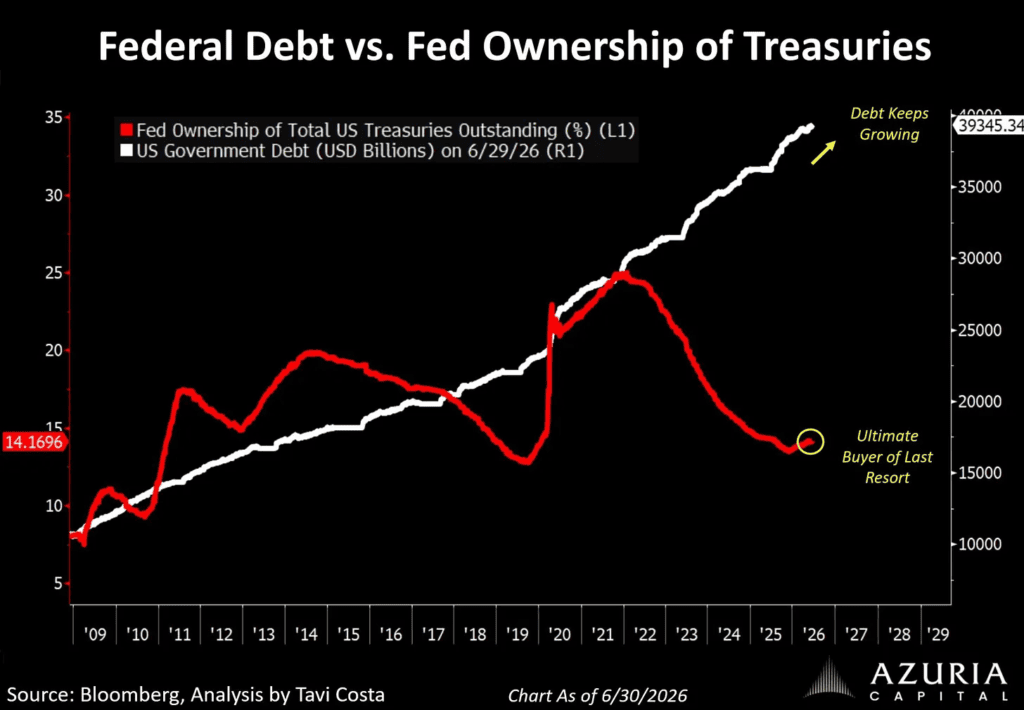
In a recent market analysis, macro strategist Alessandro Fasanella argued that investors are focusing on strong capital inflows, a resilient dollar, and record equity prices, while paying less attention to longer-term risks building beneath the surface. He points to a key shift: the Fed is no longer the largest buyer of US government debt, even as federal borrowing continues to increase.
The report notes that the Federal Reserve now holds roughly 14% of outstanding US Treasuries, down sharply from its pandemic-era peak as quantitative tightening continues. Meanwhile, US government debt has climbed above $39 trillion, meaning private investors must absorb a growing supply of Treasury bonds.
The analysis argues that this changing dynamic could eventually put upward pressure on bond yields and borrowing costs if demand from private investors fails to keep pace.
Several themes are shaping the current market outlook:
- Foreign investors continue pouring money into US assets.
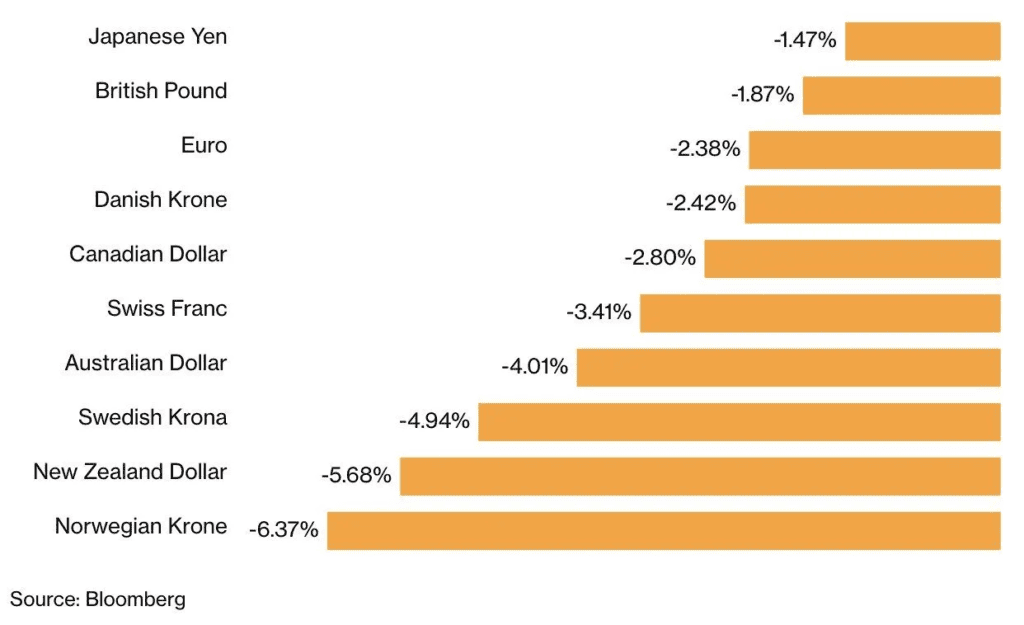
- The dollar remains one of the world’s strongest major currencies.
- The Fed is reducing its bond holdings while government debt keeps growing.
- Markets remain optimistic despite rising fiscal and geopolitical risks.
Not everyone shares the same concerns. Many economists continue to expect the US economy to expand, supported by AI investment, resilient corporate earnings, and consumer spending. However, central banks have warned that high debt levels, persistent inflation, and geopolitical shocks remain key risks to financial stability.
For investors, the question is whether today’s rally can continue without the extraordinary support that monetary policy provided over the past decade. While markets remain near record highs, the balance between government borrowing, bond demand, and Federal Reserve policy is becoming an increasingly important theme to watch.
Disclosure: This article does not represent investment advice. The content and materials featured on this page are for educational purposes only.