
The Trump administration wants to cut off Iran’s economic lifelines, but China remains the biggest obstacle to that strategy. According to an analysis in Foreign Policy by Henry Tugendhat and Grant Rumley, Washington may struggle to seriously weaken Tehran without confronting Beijing directly.
China Remains Iran’s Biggest Oil Lifeline
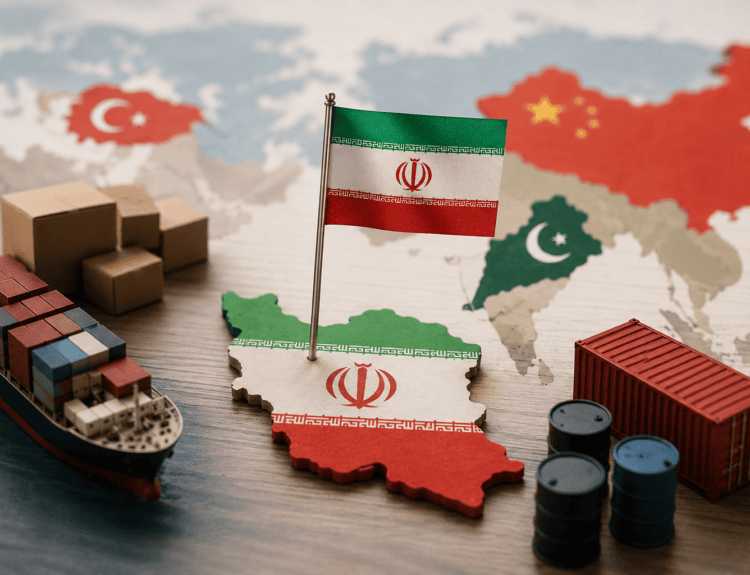
China has long been the largest buyer of Iranian oil, with some estimates cited by Foreign Policy suggesting roughly 90% of Iran’s oil exports have gone to China through shadow-fleet networks.
Beijing also gives Iran access to payment channels outside the US dollar system. Daily transactions through China’s Cross-Border Interbank Payment System, or CIPS, increased from 680 billion yuan to 790 billion yuan after the Iran war began.
That creates a problem for Treasury Secretary Scott Bessent’s “economic D-Day” campaign, which aims to cut Iran off from international trade and finance.
Washington Has Avoided Directly Targeting China
The US has already sanctioned one major Chinese independent refinery, around 40 shipping companies and another 60 smaller intermediaries linked to Iranian trade.
But Foreign Policy notes that Washington has so far avoided targeting the major Chinese banks supporting the system.
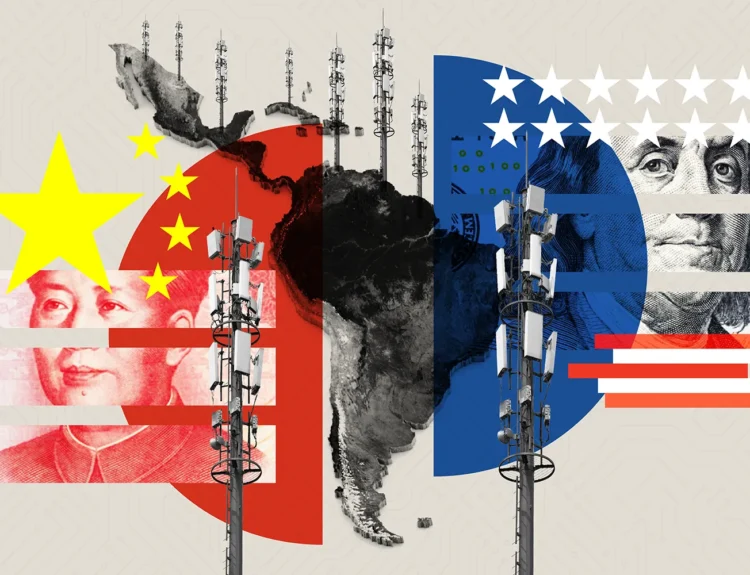
The reason is risk. China has warned that it would retaliate if Washington targets its companies, while Bessent himself acknowledged the danger of destabilizing the broader financial system.
Rare Earths Give Beijing Powerful Leverage
China also has another major weapon: rare earth exports.
Beijing previously restricted rare-earth supplies to the US, disrupting parts of American manufacturing, particularly the defense industry, and increasing pressure on Washington during trade negotiations.
Foreign Policy argues that the US remains heavily dependent on Chinese refining capacity despite efforts to build alternative supply chains.
China has also introduced new “blocking rules” that could prevent companies operating in China from complying with US sanctions against Iran, although Beijing has not fully enforced them yet.
Neither Side Wants Another Trade War
Despite the tension, both Washington and Beijing appear reluctant to reopen a major trade conflict.
Chinese President Xi Jinping wants economic stability as China continues dealing with weak domestic demand and the effects of its property downturn. Beijing is also trying to keep a planned September Trump-Xi summit on track.
For Washington, aggressively sanctioning China could trigger retaliation in trade, rare earths and financial markets.
That leaves Iran with an important economic buffer.
Separate Reuters reporting shows the US naval blockade is already putting much greater pressure on Iranian exports, with crude loadings dropping sharply and fresh shipments to China largely blocked. That suggests physical restrictions on oil flows may currently be proving more effective than traditional sanctions alone.
Investor takeaway: The US can increase economic pressure on Iran, but fully cutting Tehran off would likely require a much bigger confrontation with China. For markets, that creates a difficult balance: stronger sanctions could weaken Iran further, but a US-China escalation could also disrupt oil, rare earths, global trade and financial markets.
Disclosure: This article does not represent investment advice. The content and materials featured on this page are for educational purposes only.