
Global financial markets came under pressure as Brent crude oil surged above $100 a barrel for the first time in two months, with investors reacting to an escalating conflict involving the US, Israel and Iran that has intensified fears of prolonged disruptions to global energy supplies.
The latest jump in oil prices followed reports that Houthi militants in Yemen attacked two Saudi oil tankers in the Red Sea, following through on threats to support Iran. At the same time, President Donald Trump issued fresh warnings toward Tehran for a third consecutive day, adding to concerns that the conflict could widen rather than move toward negotiations.
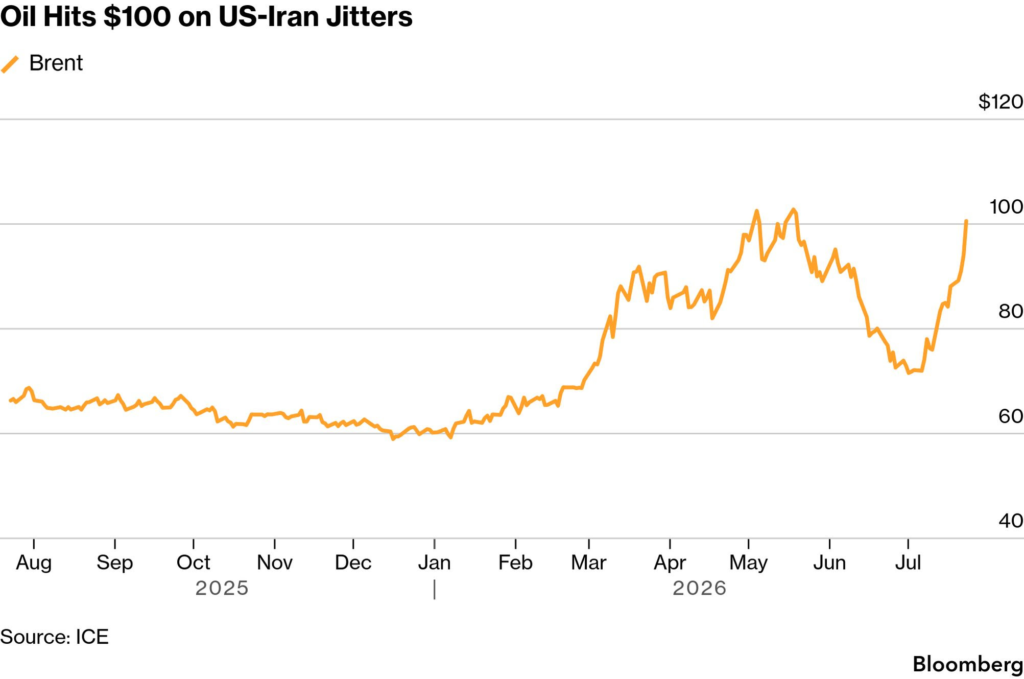
With neither Washington nor Tehran signalling a willingness to de-escalate, markets increasingly appear to be pricing in a prolonged geopolitical crisis.
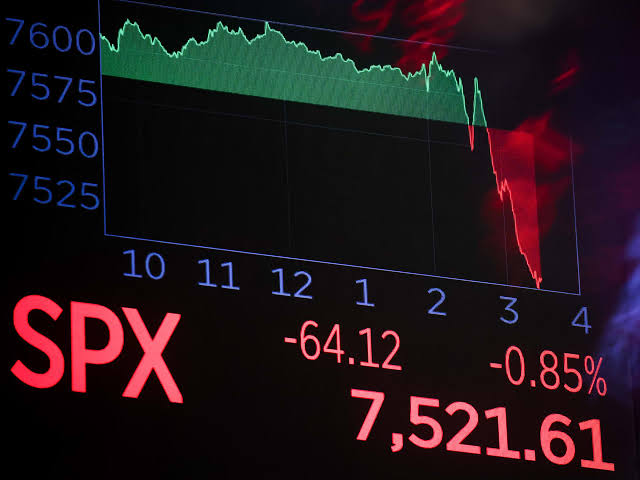
The rise in energy prices weighed heavily on risk assets across global markets. The S&P 500 fell 1.2%, while US Treasury prices also declined as investors grappled with the prospect of higher inflation driven by more expensive oil. The selloff extended across technology stocks, with the Magnificent Seven index suffering its steepest daily decline since the market turmoil triggered by Trump’s global tariff rollout in April 2025.
Several major companies also came under pressure following earnings:
- Alphabet fell 6.9% despite reporting solid quarterly results after raising its capital expenditure outlook, reinforcing concerns about rising AI investment costs.
- Tesla tumbled 15% after reporting weaker profits, even though vehicle deliveries remained strong, as investors focused on growing cash burn and heavy spending on AI and robotics.
The return of oil prices above the $100 mark also raises concerns that inflationary pressures could reaccelerate just as investors had begun anticipating lower interest rates. Higher energy costs typically feed through to transportation, manufacturing and consumer prices, potentially complicating the Federal Reserve’s policy outlook.
For investors, the latest market reaction highlights how geopolitical risks have become a dominant driver of sentiment. While corporate earnings remain broadly resilient, the combination of rising oil prices, escalating conflict in the Middle East and growing uncertainty over inflation is increasing volatility across equities, bonds and commodities.
Disclosure: This article does not represent investment advice. The content and materials featured on this page are for educational purposes only.