The debate over how the US should regulate AI is gaining momentum, with business leaders, policymakers, and tech executives offering sharply different views on the government’s role in the fast-growing industry.
Former New York City mayor Michael Bloomberg criticized proposals for the government to take ownership stakes in AI companies, an idea backed by Sen. Bernie Sanders and reportedly discussed by President Donald Trump.
Writing in an opinion piece, Bloomberg argued that government ownership would discourage innovation, quipping, “Somewhere, Karl Marx is smiling.”
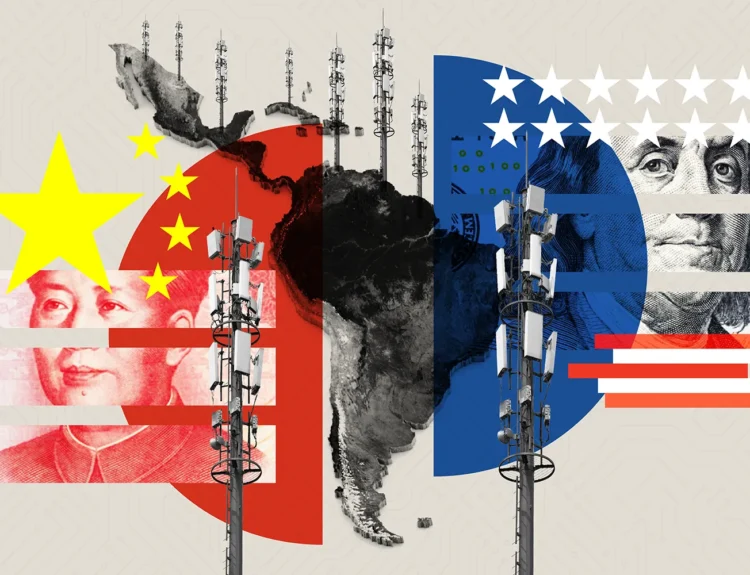
Meanwhile, another debate has emerged over the rapid progress of Chinese AI models.
The discussion intensified after Beijing-based Moonshot AI released its new open-source model, Kimi K3, prompting questions about whether the US should place tighter restrictions on AI technology developed in China.
David Sacks, who previously served as the White House’s AI and crypto czar, said Washington should clearly communicate any genuine security risks associated with Chinese AI models and regulate them where necessary. However, he also cautioned against creating unnecessary fear to discourage their use.
His comments echoed concerns raised by OpenAI’s Dean Ball, who warned against what he described as a growing “FUD” (fear, uncertainty, and doubt) approach to AI policy.
At the same time, Bloomberg News reported that the Trump administration is considering establishing an independent AI watchdog within the Securities and Exchange Commission (SEC). The proposed body would focus on AI-related risks in financial markets and corporate disclosures.
For investors, the debate highlights that AI regulation is becoming just as important as AI innovation itself. Future rules on competition, national security, and corporate oversight could shape how AI companies operate, compete, and attract investment in the years ahead.
Disclosure: This article does not represent investment advice. The content and materials featured on this page are for educational purposes only.