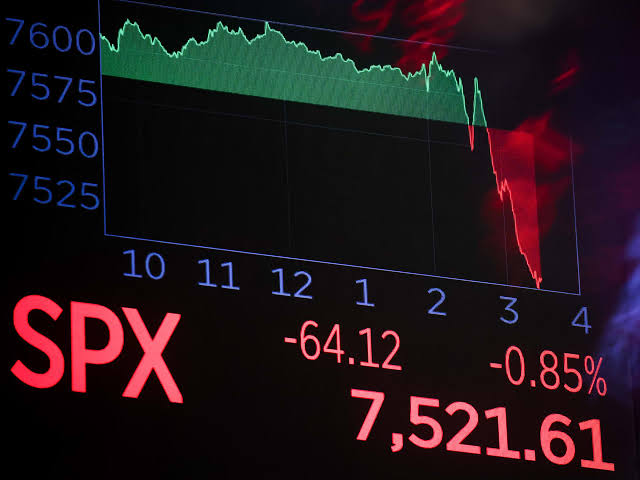

The recent US-Iran peace agreement has sparked a broad rally across global markets, but analysts say the biggest winners may be companies that were hurt the most by high oil prices and geopolitical uncertainty.
With expectations growing that the Strait of Hormuz will reopen and global energy supplies will improve, investors are beginning to rotate into sectors that could benefit from lower fuel costs, easing inflation, and stronger consumer spending.
Rather than defensive sectors that outperformed during the conflict, analysts see opportunities in more cyclical parts of the market.
Some of the biggest potential beneficiaries include:
- Consumer discretionary stocks, as lower gasoline prices leave households with more disposable income.
- Small-cap companies, which tend to benefit from improving economic conditions and easing inflation.
- Airlines, transportation firms, and retailers, whose operating costs could fall if oil prices remain lower.
- Regional banks and other cyclical sectors, which may attract investors as market leadership broadens beyond AI-related stocks.
The shift could also mark an important change in market leadership. For much of 2026, the rally has been dominated by AI infrastructure and large technology stocks. However, analysts believe improving geopolitical conditions could encourage investors to diversify into sectors that have lagged behind during the AI-driven rally.
That said, the outlook still depends on whether the peace agreement is fully implemented. While lower oil prices have improved sentiment, markets remain sensitive to any setbacks in negotiations or renewed disruptions in the Middle East.
For investors, the key question is no longer just whether AI will continue leading the market, but whether a broader rally can develop as geopolitical risks fade and inflation pressures ease.
Disclosure: This article does not represent investment advice. The content and materials featured on this page are for educational purposes only.