

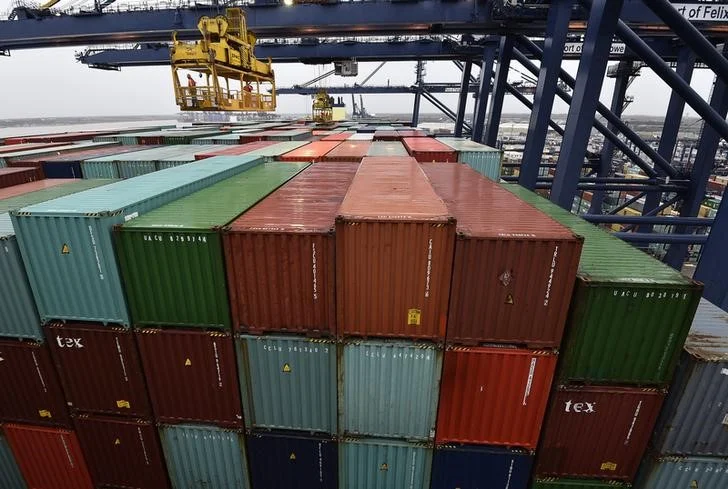

Japan’s trade deficit was smaller than expected in May, as strong export growth helped offset a sharp rise in imports driven by higher energy costs.
Official data showed Japan recorded a trade deficit of ¥378.7 billion ($2.36 billion), beating forecasts for a ¥564.6 billion deficit. The improvement came as exports continued to benefit from strong demand in key overseas markets, particularly the US and China.
Exports jumped 17% year over year, marking the ninth consecutive month of growth and the fastest pace since late 2022. Demand remained particularly strong for semiconductors, electronic components, industrial machinery, and automobiles, as the global AI infrastructure boom continued to support Japan’s manufacturing sector.
Imports also rose 12.5%, although the increase was slightly below expectations. Higher fuel costs remained the biggest driver, reflecting Japan’s heavy reliance on imported energy during recent disruptions in global oil markets.
Several trends stood out in the latest report:
- Trade deficit narrowed to ¥378.7 billion
- Exports surged 17%, beating forecasts
- AI-related chip demand continued supporting exports
- Higher energy prices pushed imports higher
Looking ahead, analysts believe Japan’s trade outlook could improve further if energy prices continue to ease following progress in US-Iran negotiations, although global demand and supply chain conditions remain key risks.
Disclosure: This article does not represent investment advice. The content and materials featured on this page are for educational purposes only.