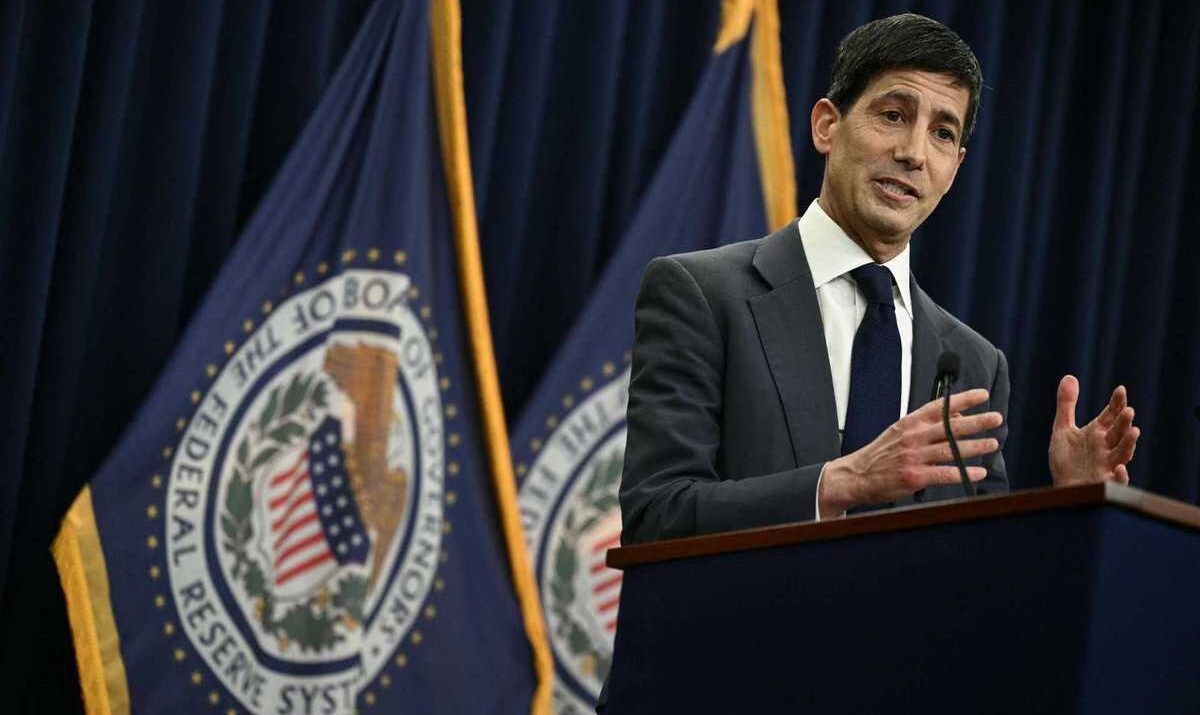

The Federal Reserve’s June meeting marked more than just another interest rate decision. It also signaled the beginning of a new chapter under Chair Kevin Warsh, whose first policy meeting introduced a noticeably different approach to how the US central bank communicates with markets.
As widely expected, the Fed kept interest rates unchanged at 3.50% to 3.75%, but Warsh made it clear that the central bank is moving away from the detailed forward guidance investors have become accustomed to over the past decade.
Instead, Warsh said the Fed wants markets to focus more on incoming economic data rather than trying to predict policy moves based on central bank messaging. The shift is designed to give policymakers greater flexibility while reducing the market’s dependence on Fed signals.
Warsh also announced a broad review of the Fed’s operations, creating five new working groups to examine areas including:
- Monetary policy communication
- Artificial intelligence
- Labor markets
- Productivity
- The Fed’s balance sheet
Despite holding rates steady, the Fed maintained a hawkish tone. Policymakers continue to see inflation as the biggest challenge facing the economy, with nearly half of Fed officials expecting at least one additional rate hike in 2026 if price pressures remain elevated.
For investors, the biggest takeaway was not the rate decision itself, but how the Fed plans to operate going forward.
The Warsh era appears set to bring less guidance, more flexibility, and greater emphasis on real-time economic data, a change that could lead to increased market volatility as investors adapt to a more unpredictable central bank.
Related: Fed Holds Rates Steady, Signals Inflation Fight Isn’t Over
Disclosure: This article does not represent investment advice. The content and materials featured on this page are for educational purposes only.