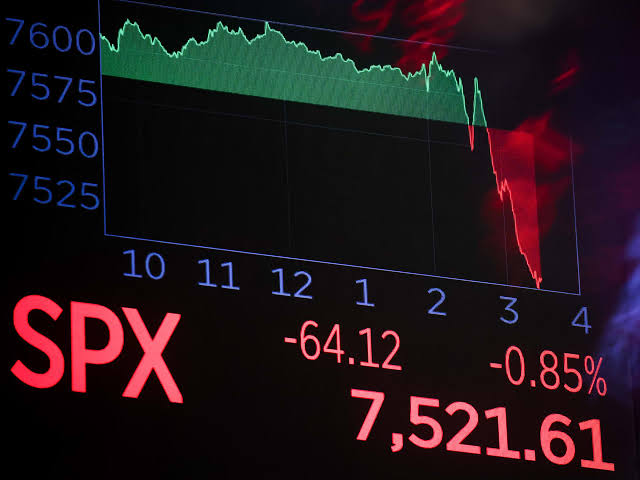

Many beginners unknowingly make costly mistakes that erode their investment returns by roughly 6.5% annually. These errors stem from lack of knowledge, emotional reactions, and poor planning. This article teaches you to recognize and avoid seven common investing mistakes, helping you build a stronger portfolio aligned with your financial goals.
Table of Contents
- How To Choose Your Investment Approach: Key Criteria For Beginners
- 1. Not Setting Clear Investment Goals
- 2. Insufficient Diversification And Overconcentration
- 3. Emotional Decision-Making And Market Timing Risks
- 4. Neglecting Regular Portfolio Review And Rebalancing
- 5. Underestimating Costs And Fees Impact On Returns
- 6. Misjudging Your Risk Tolerance
- 7. Behavioral Biases That Affect Beginners
- Summary Comparison: Key Mistakes And How They Impact Your Investing
- Situational Recommendations For Beginner Investors
- Get Expert Help To Avoid Beginner Investing Pitfalls
Key Takeaways
| Point | Details |
|---|---|
| Unclear goals lead to mismatched portfolios | Without specific targets, beginners select unsuitable investments and chase trends. |
| Poor diversification increases losses | Overconcentration in one stock or sector exposes your portfolio to avoidable risk. |
| Emotional decisions harm returns | Panic selling and market timing attempts reduce gains by an average of 6.5% yearly. |
| Hidden fees compound over decades | A 1% annual fee can cut retirement savings by over 20% due to compounding effects. |
| Ignoring risk tolerance causes panic | Misjudging your comfort with volatility leads to stress and impulsive selling during downturns. |
How to Choose Your Investment Approach: Key Criteria for Beginners
Before diving into specific mistakes, you need to understand the foundational criteria that guide smart investing. Every decision you make should connect back to these core principles.
First, set clear personal financial goals. Are you saving for retirement in 30 years or a house down payment in five? Your timeline shapes everything. Next, assess your individual risk tolerance honestly. Can you sleep at night when your portfolio drops 20%, or does that thought terrify you?
Understanding diversification is non-negotiable. Spreading investments across different assets reduces the damage when one sector crashes. Emotional decision making destroys wealth faster than almost anything else, so prepare your mindset in advance.
Finally, costs matter more than most beginners realize. High fees significantly erode returns, especially for small portfolios over decades. Consider these factors:
- Time horizon for each financial goal
- Monthly contribution capacity
- Tax implications of different accounts
- Liquidity needs for emergencies
- Learning commitment and research time
Pro Tip: Write down your investment criteria before researching any specific stocks or funds. This document becomes your anchor when emotions run high or market noise gets loud. Review our essential tips for investing beginners and explore basic investing principles from SEC resources.
1. Not Setting Clear Investment Goals
Many beginners skip defining what they actually want from investing. They open an account, buy some popular stocks, and hope for the best. This approach causes confusion, random decisions, and portfolios that drift off course.
Good goals use the SMART framework. Specific means stating exact dollar amounts, not vague wishes. Measurable lets you track progress with numbers. Achievable grounds your expectations in reality, not fantasy returns.
Relevant ties your investing to actual life plans. Time bound sets deadlines that determine appropriate risk levels. A proper goal sounds like: “Save $50,000 for a house down payment by December 2028 through monthly $600 contributions to a balanced fund portfolio.”
Clear goals help you tailor portfolio risk and asset allocation appropriately. Someone retiring in three years needs bonds and cash, not aggressive growth stocks. A 25 year old saving for retirement can handle much more volatility.
Consider these goal setting steps:
- List every financial objective with dollar amounts
- Assign realistic timelines to each goal
- Calculate required monthly contributions
- Match risk levels to time horizons
- Document everything in writing
Pro Tip: Set calendar reminders to revisit your goals every six months. Life changes like marriage, kids, or job shifts require goal adjustments. Regular reviews keep your investment approach aligned with your current situation, not outdated assumptions.
2. Insufficient Diversification and Overconcentration
Putting too much money into one stock or sector is like building a house on sand. When that investment crashes, your entire portfolio suffers devastating losses. Overconcentration risk jumps dramatically if more than 10% sits in a single stock.

Diversification means spreading investments across different asset classes, industries, and geographies. When tech stocks fall, healthcare or utilities might hold steady or rise. This balance lowers your portfolio’s overall volatility without necessarily sacrificing returns.
Index funds and ETFs make diversification almost effortless for beginners. A single S&P 500 index fund gives you exposure to 500 large American companies across all major sectors. Total market funds go even broader, including small and mid-sized firms.
Rebalancing restores your target allocation when market movements cause drift. If stocks surge and bonds lag, you might end up with 80% stocks when you wanted 60%. Selling some winners and buying laggards brings you back to plan.
Diversification strategies include:
- Spreading across stocks, bonds, and real estate
- Mixing domestic and international holdings
- Balancing growth and value styles
- Including different company sizes
- Adding alternative assets sparingly
Pro Tip: Start with three fund portfolio simplicity: a total stock market fund, total international fund, and total bond fund. Adjust percentages based on your risk tolerance and timeline. Review effective diversification strategies to build resilience into your portfolio from day one.
3. Emotional Decision-Making and Market Timing Risks
Emotions destroy investment returns faster than poor stock picks. Fear causes panic selling at market bottoms. Greed drives buying frenzies at peaks. Both behaviors lock in losses and miss subsequent recoveries.
Frequent trading linked to underperformance averages 6.5% per year compared to patient investors. Market timing attempts fail because nobody consistently predicts short term movements. Even professional fund managers rarely beat simple buy and hold strategies.
Research consistently shows staying invested historically outperforms attempts to jump in and out of markets. Missing just the 10 best days over a decade can cut your returns in half. Those best days often happen right after the worst days, when fear is highest.
Managing emotions requires preparation and systems. Write an investment policy statement during calm times. This document outlines your strategy, goals, and rules for what you will and will not do.
Follow these steps to maintain discipline:
- Create a written investment plan before investing any money
- Set automatic contributions that continue regardless of headlines
- Limit portfolio checking to quarterly reviews maximum
- Keep an emergency fund so you never sell investments desperately
- Focus on your long term goals, not daily market noise
“The stock market is designed to transfer money from the Active to the Patient.” This wisdom reminds us that calm, consistent investing beats frantic trading.
Pro Tip: When market crashes tempt you to sell everything, force yourself to wait 48 hours before acting. Fear usually subsides with time, saving you from permanent mistakes. Explore advantages of long term investing and read expert advice on emotional investing to strengthen your mental game.
4. Neglecting Regular Portfolio Review and Rebalancing
Set it and forget it works for slow cookers, not investment portfolios. Asset prices change constantly, causing your allocation to drift from targets. A portfolio that started 60% stocks and 40% bonds might become 75% stocks after a bull market.
This drift increases your risk exposure beyond your comfort level. If markets crash, you lose more than you expected because stocks grew to dominate your portfolio. Financial advisors recommend quarterly or annual portfolio reviews to catch drift early.
Rebalancing means selling some winners and buying laggards to restore your target percentages. This forces you to sell high and buy low, the opposite of emotional investing. Many brokers offer automatic rebalancing tools that handle this without any effort from you.
Review frequency depends on your situation. Volatile portfolios need more frequent checks. Simple three fund portfolios might only need annual attention. Set calendar reminders so reviews become routine, not forgotten tasks.
| Review Frequency | Best For | Key Actions |
|---|---|---|
| Quarterly | Active investors, volatile holdings | Check drift, rebalance if over 5% off target |
| Semi-Annual | Moderate portfolios, busy schedules | Review performance, adjust contributions |
| Annual | Simple portfolios, passive investors | Comprehensive review, tax loss harvesting |
Simple systems keep beginners on track:
- Schedule reviews on your birthday or New Year’s Day
- Use portfolio tracking apps with drift alerts
- Create a rebalancing checklist to follow
- Document each review with notes and decisions
Implement portfolio rebalancing tips to maintain your target risk level automatically. Regular maintenance prevents small problems from becoming portfolio disasters.
5. Underestimating Costs and Fees Impact on Returns
Fees look tiny on paper but compound into massive wealth destroyers over decades. A 1% annual fee can reduce retirement savings by over 20% due to compounding effects. That difference represents years of delayed retirement or reduced lifestyle.
Mutual funds often charge expense ratios between 0.5% and 2% annually. Index funds and ETFs typically cost 0.03% to 0.20%. This gap seems small until you run the numbers over 30 years on a growing portfolio.
Beginners should compare expense ratios before buying any fund. This information appears clearly in fund prospectuses and broker websites. Paying attention to costs ranks among the easiest ways to improve your investment outcomes immediately.
Additional costs beyond expense ratios include trading commissions, advisory fees, and tax inefficiency. Each fee chips away at your returns. Focus on controlling what you can control, and costs sit squarely in that category.
| Investment Type | Typical Annual Cost | $100,000 Over 30 Years |
|---|---|---|
| High Fee Mutual Fund | 1.5% | $380,000 final value |
| Low Cost Index Fund | 0.1% | $560,000 final value |
| Difference | 1.4% | $180,000 lost to fees |
Assumes 7% annual return before fees
Pro Tip: Prioritize funds with expense ratios below 0.20% when building your core portfolio. The performance difference between expensive and cheap funds rarely justifies higher costs. Most actively managed funds underperform their benchmarks after fees. Learn more about avoiding high fees to keep more money working for your future.
6. Misjudging Your Risk Tolerance
Many beginners confuse risk capacity with risk tolerance. Capacity means how much loss you can afford financially. Tolerance describes your emotional comfort with volatility. Both matter, but tolerance often gets ignored until markets crash.
Using risk assessment tools helps match personal comfort with investment choices. These questionnaires ask about your reactions to hypothetical losses, time horizons, and financial stability. Your answers suggest appropriate stock to bond ratios.
Risk tolerance changes with age, income, and life circumstances. A promotion with higher salary might increase your capacity. Having a baby might decrease your tolerance as priorities shift. Regular reassessment prevents portfolio mismatches that cause panic.
Investing too aggressively for your personality creates unbearable stress. You might sell everything during the next downturn, locking in losses. Investing too conservatively for your timeline means inflation erodes purchasing power and you miss growth opportunities.
Consider these factors when assessing risk:
- Your gut reaction to seeing portfolio value drop 30%
- Job security and income stability
- Years until you need the money
- Other assets and emergency savings
- Experience with market volatility
Pro Tip: Test your risk tolerance with small amounts first. Invest $1,000 in an aggressive portfolio and watch your emotional reactions over three months. If you check it obsessively or lose sleep, dial back risk before committing serious money. Revisit assessing risk tolerance periodically as your life evolves.
7. Behavioral Biases That Affect Beginners
Your brain works against good investing through predictable cognitive biases. Overconfidence makes you think you can pick winning stocks despite zero experience. Confirmation bias causes you to seek information supporting existing beliefs while ignoring contradictory evidence.
Behavioral biases like these reduce investment performance measurably. Trend chasing leads to buying high after everyone else already profited. Recency bias makes recent events feel more important than long term patterns.
Acknowledging your biases represents the crucial first step toward controlling them. Nobody escapes these mental traps completely. Even experienced investors fall victim occasionally. Awareness helps you catch yourself before making costly mistakes.
Keeping a disciplined written investment plan reduces bias impact dramatically. When emotions or biases push you toward impulsive actions, your plan provides objective guidance. Following predetermined rules removes in the moment decision making when your judgment is compromised.
Seeking second opinions or using automated investing tools offset bias effectively. Robo advisors follow algorithms without emotional interference. Financial advisors provide outside perspectives when you feel confused or tempted to abandon your strategy.
Common biases to watch for:
- Overconfidence in stock picking ability
- Anchoring to purchase prices when deciding to sell
- Herd mentality following crowd behavior
- Loss aversion causing premature selling
- Recency bias overweighting recent performance
“Investing success comes from managing yourself, not predicting markets.” This truth highlights how behavioral discipline matters more than intelligence or information.
Learn about common behavioral biases affecting your decisions. Understanding these patterns helps you recognize when bias is influencing your thinking, allowing course correction before damage occurs.
Summary Comparison: Key Mistakes and How They Impact Your Investing
This comparison table recaps the seven mistakes with their typical consequences and corrective strategies. Use this as a quick reference when building or reviewing your investment approach.
| Mistake | Portfolio Impact | Corrective Strategy |
|---|---|---|
| No clear goals | Misaligned risk, random decisions | Write SMART goals, review semi-annually |
| Poor diversification | Excessive volatility, concentrated losses | Use index funds, limit single stocks to 10% |
| Emotional decisions | 6.5% annual underperformance | Follow written plan, automate contributions |
| Ignoring reviews | Allocation drift, increased unplanned risk | Schedule quarterly or annual rebalancing |
| High fees | 20%+ reduction in 30 year returns | Choose funds under 0.20% expense ratio |
| Wrong risk level | Panic selling or inadequate growth | Assess tolerance, adjust allocation accordingly |
| Behavioral biases | Trend chasing, timing losses | Document rules, seek objective advice |
Prioritize addressing the mistakes that match your biggest weaknesses. Someone prone to anxiety should focus on risk tolerance and emotional discipline first. A busy professional might prioritize low cost automation and annual reviews.
Every mistake you avoid compounds into better outcomes over time. Fixing even two or three of these issues puts you ahead of most beginner investors who repeat these errors for years.
Situational Recommendations for Beginner Investors
Your specific circumstances determine which mistakes deserve immediate attention. Personalize your approach based on capital, goals, personality, and available time.
New investors with limited capital should prioritize goal clarity and cost minimization. Every dollar of fees hurts more when you start small. Focus on low cost index funds and clear timelines. A simple three fund portfolio works perfectly.
Emotionally reactive investors benefit most from disciplined systems and automatic investing. Remove decision making from daily or weekly timeframes. Set contributions to run automatically. Schedule reviews only quarterly to reduce emotional interference.
Busy professionals often prefer target date funds or robo advisors with automatic rebalancing. These solutions handle portfolio maintenance without requiring your constant attention. You get diversification and rebalancing while focusing on your career.
Risk and cost considerations shift based on your time horizon and portfolio size. Longer timelines allow more aggressive allocations and recovery from volatility. Larger portfolios make percentage fees more painful, justifying effort to minimize costs.
Tailor your strategy:
- Small portfolios under $10,000: Prioritize low costs, simple diversification, and learning
- Medium portfolios $10,000 to $100,000: Add rebalancing discipline, refine risk allocation
- Anxious personalities: Automate everything possible, limit portfolio checking
- Long time horizons over 15 years: Accept higher stock allocations for growth
- Short timelines under 5 years: Emphasize bonds and stability over growth
Personalizing your approach increases success probability dramatically. Cookie cutter advice fails because your situation differs from everyone else’s. Consider your unique investment horizon when choosing strategies.
Get Expert Help to Avoid Beginner Investing Pitfalls
Knowledge provides power, but implementing these principles consistently requires ongoing support and accountability. Financial advisors offer personalized guidance tailored to your specific goals, risk tolerance, and financial situation.
Professional advice helps you avoid the seven costly mistakes through customized portfolio construction and behavioral coaching. Advisors keep you on track when emotions run high or confusion strikes. Explore the benefits of a financial advisor to see how expert guidance accelerates your investing success.
Finblog provides comprehensive financial literacy resources covering everything from basic concepts to advanced strategies. Our tools and educational content help you transform knowledge into confident, successful investing decisions.
Get started today by assessing which mistakes pose the biggest risks to your portfolio. Address those first, then systematically improve other areas. Your future self will thank you for taking action now instead of learning these lessons through expensive experience.
FAQ
What is the biggest mistake beginner investors make?
Lack of clear investment goals combined with emotional decision making represents the most damaging mistake. These errors cause misaligned portfolios that drift off course and costly trading triggered by fear or greed. Without defined targets, beginners make random choices that undermine long term success.
How can I avoid emotional investing when starting out?
Stick to a written investment plan aligned with your specific goals and risk tolerance. Avoid checking your portfolio more than quarterly, as constant monitoring amplifies emotional reactions. Consider automated investing through robo advisors or target date funds to reduce impulsive trades. Review our emotional investing tips for additional strategies.
Why is diversification important for new investors?
Diversification spreads risk across multiple assets, industries, and geographies so one investment’s poor performance cannot destroy your entire portfolio. It reduces overall volatility while maintaining growth potential. Concentrated portfolios expose you to preventable losses when individual stocks or sectors crash. Learn more about the importance of diversification for protecting your wealth.
How often should I review my investment portfolio?
Reviewing quarterly or annually works well for most beginners, depending on portfolio complexity and personal preference. Regular checks prevent allocation drift and ensure your investments stay aligned with evolving goals. Set calendar reminders so reviews become routine habits rather than forgotten tasks. Find optimal portfolio review frequency guidelines for your situation.
Do investment fees really matter that much for small portfolios?
Yes, fees matter enormously even for small portfolios because they compound over decades. A 1% fee difference can cost you over 20% of your retirement savings after 30 years. When starting with limited capital, every dollar saved in fees accelerates your wealth building. Prioritizing low cost index funds represents one of the easiest ways beginners can improve outcomes immediately.
Recommended
- 7 Common Investing Mistakes to Avoid for Success – Finblog
- 7 Common Investment Mistakes and How to Avoid Them – Finblog
- 7 Major Financial Mistakes to Avoid for Smart Investing – Finblog
- 7 Common Retirement Savings Mistakes and How to Avoid Them – Finblog
- 7 Actionable Cryptocurrency Investment Tips for Smart Traders