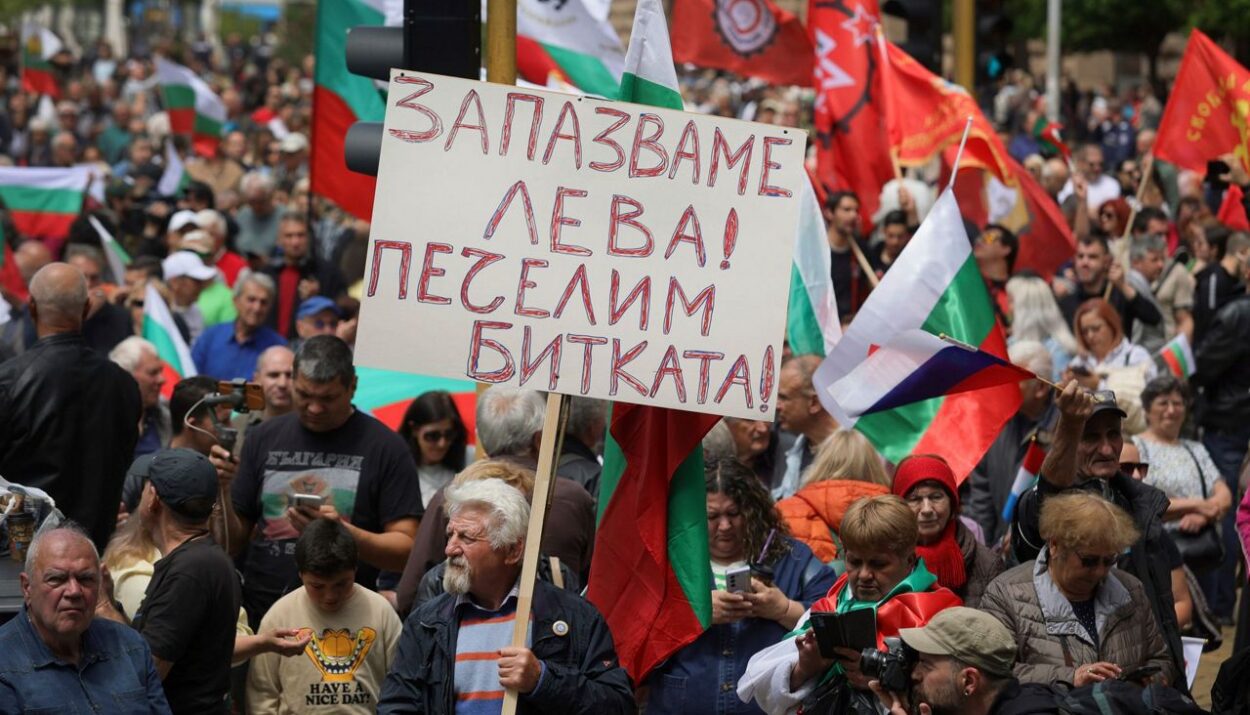

Bulgaria officially adopted the euro on January 1, becoming the 21st member of the eurozone and marking the culmination of nearly two decades of preparation since joining the European Union in 2007.
At midnight, a glowing euro symbol lit up the facade of the Bulgarian National Bank in Sofia, synchronized with an illumination at the headquarters of the European Central Bank in Frankfurt. The display symbolized Bulgaria’s formal entry into Europe’s single-currency bloc.
“This is the final milestone in Bulgaria’s integration into the European Union,” President Rumen Radev said in his New Year’s address.
From lev to euro after years of preparation
For Bulgaria, the euro switch represents far more than a technical currency change. The country spent 19 years aligning its fiscal policy, inflation controls, and institutions with eurozone rules. With accession complete, the governor of the Bulgarian National Bank now takes a seat on the ECB’s Governing Council, giving Bulgaria a direct role in setting eurozone monetary policy.
ECB President Christine Lagarde welcomed Bulgaria in a video message, calling the euro “a powerful symbol of what Europe can achieve when we work together,” especially amid heightened global geopolitical uncertainty.
During January, the Bulgarian lev will continue to circulate alongside the euro. From February 1, the euro will become the country’s sole legal tender.
Tourism and confidence seen as early winners
Supporters of the euro say the immediate gains will be most visible in tourism.
Lyubomir Kyuchukov, director of the Economics and International Relations Institute in Sofia, said removing the need for currency exchange could make Bulgaria more attractive to millions of visitors. Early indicators suggest bookings for 2026 may exceed previous years, particularly for cultural tourism and mountain destinations.
Tourism Minister Miroslav Borshosh said the government expects 2026 to be a breakthrough year for the sector.
Economic benefits, but not without adjustment pain
Beyond tourism, euro adoption is expected to support trade and investment by lowering transaction costs and strengthening investor confidence. Bulgarian banking authorities estimate the switch will save more than 1 billion lev annually by eliminating currency conversion costs and unlock around 15 billion lev in central bank reserves previously used to defend the national currency.
Jasmin Groeschl, an economist at Allianz Group, said euro adoption should ease trade with other EU members and enhance financial stability through deeper integration into the ECB framework.
Large exporters and multinational firms are expected to benefit most from reduced currency risk and improved access to capital. Smaller, domestically focused businesses may face tougher adjustments, particularly in agriculture, where producers worry about stronger competition as prices align fully with eurozone levels.
Tempered expectations for investment
Some economists urge caution against overly optimistic forecasts.
Dinko Dinkov, a professor at Bulgaria’s University of National and World Economy, said foreign direct investment is likely to rise only modestly rather than surge. Others warn that adopting the euro reduces Bulgaria’s ability to use exchange rates as an economic adjustment tool, potentially limiting flexibility during downturns.
Still, analysts say Bulgaria’s accession sends a positive signal about confidence in the eurozone itself, even as the bloc faces its own economic and political challenges.
Kyuchukov noted that Bulgaria’s entry may also mark a pause in eurozone expansion, as none of the remaining non-euro EU members have signaled near-term plans to join.
For Bulgaria, the message is clear. Euro adoption anchors the country more firmly inside Europe’s economic core, offering stability and credibility, while ushering in a new phase of competition, adjustment, and policy discipline.
Disclosure: This article does not represent investment advice. The content and materials featured on this page are for educational purposes only.
Related: Best European Stocks for Q1 2026: Our Top Picks by Sector