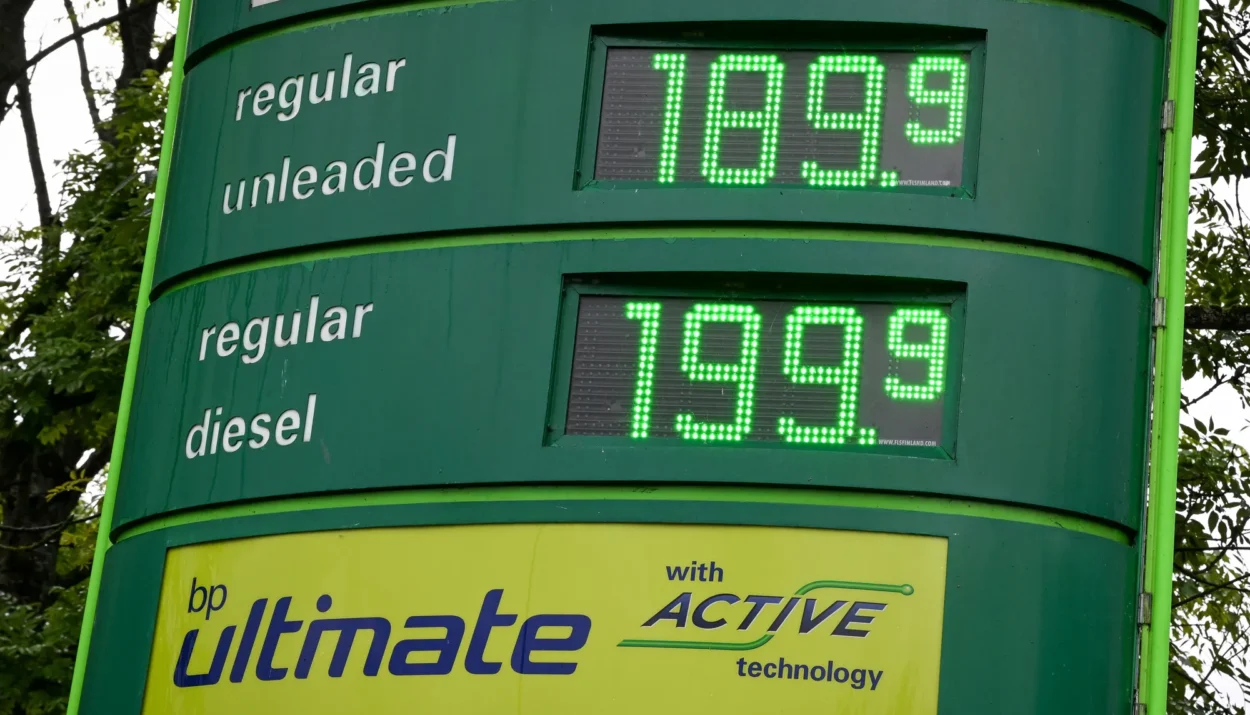

UK petrol and diesel prices are finally starting to ease after weeks of steady increases driven by the Iran war and oil market disruption.
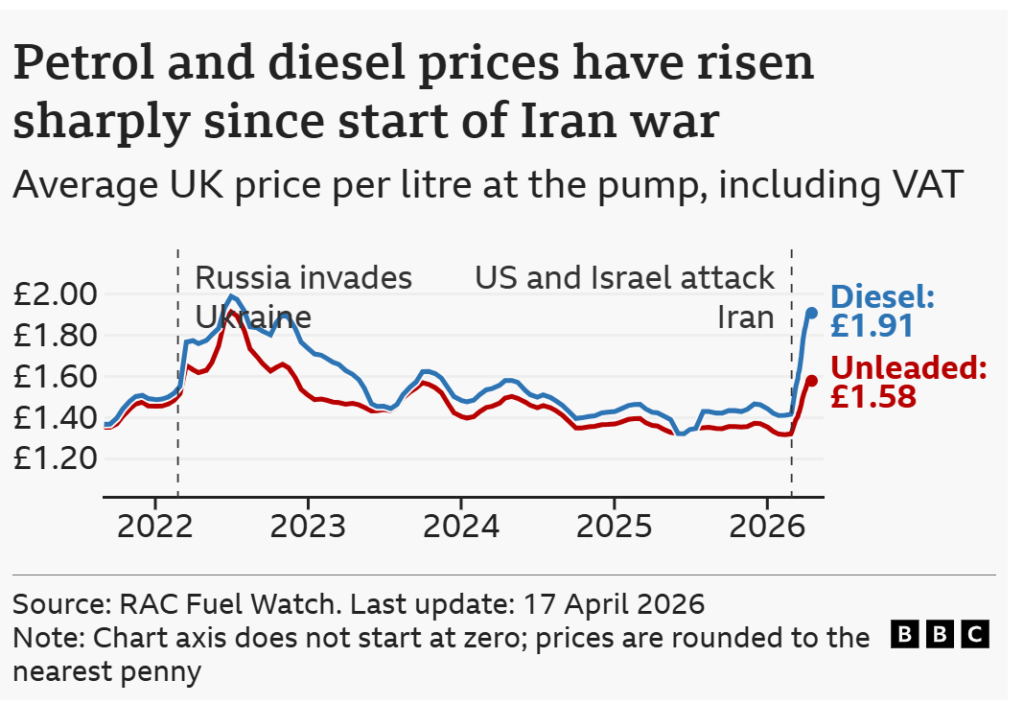
Motorists had been facing rising costs since late February, when the conflict pushed global oil prices sharply higher. Supply chains across the Middle East were disrupted, and energy production slowed due to ongoing strikes and instability.
That shock quickly fed into pump prices. Filling a typical petrol car became more than £14 more expensive, while diesel costs rose by around £27 per tank.
Prices kept rising even after oil markets began to cool, mainly because of uncertainty around whether the ceasefire would hold. There is also a delay between wholesale oil price changes and what drivers actually pay, usually around two weeks.
Now, after 46 consecutive days of increases, prices have finally started to edge lower. Petrol peaked at around 158.3p per litre and diesel at 191.5p, with both now slightly below those levels.
Why prices surged
The main driver was oil. Crude oil is a key input in petrol and diesel, so when global prices rise, fuel costs follow. During the conflict, Brent crude jumped from around $73 to nearly $120 before easing back below $100.
Even now, prices remain higher than before the war, meaning fuel costs are still elevated despite recent declines.
Why the risk isn’t over
The biggest uncertainty remains the Strait of Hormuz.
Around 20% of global oil supply passes through this route, but traffic is still far below normal levels. Only a handful of ships have been crossing daily, compared to around 138 vessels under normal conditions. At the same time, damage to energy infrastructure across the Gulf continues to limit supply.
What happens next
Analysts expect further small declines in fuel prices in the coming days, offering some short-term relief for drivers.
But the outlook depends heavily on geopolitics. If tensions escalate again or supply routes remain restricted, oil prices could quickly move higher.
Prices are falling, but the system is still fragile. As long as global oil supply remains uncertain, fuel costs will continue to react to every new development in the conflict.
Disclosure: This article does not represent investment advice. The content and materials featured on this page are for educational purposes only.
Related: Europe has ‘maybe six weeks of jet fuel left’, energy boss warns