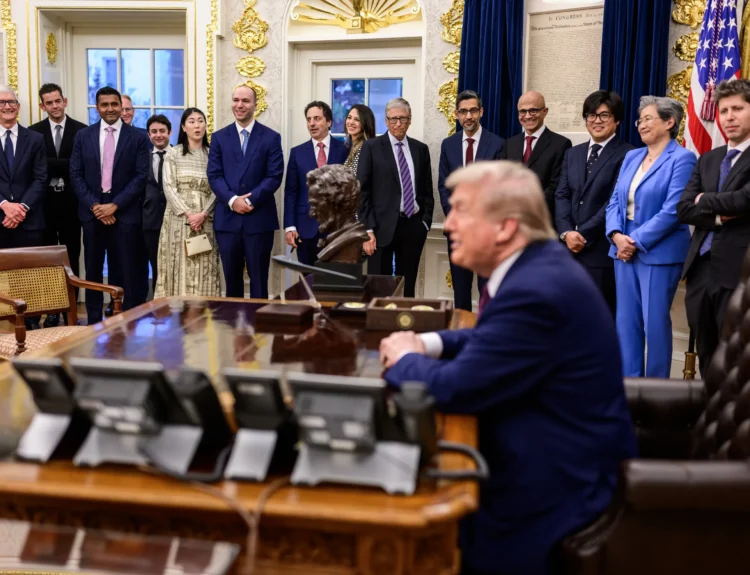

The White House is leaning hard into the AI boom as a growth engine, brushing aside warnings about job losses, financial risk, and a potential tech bubble. As markets surge and AI investment accelerates, President Donald Trump has made his view clear: AI equals growth, not danger.
Asked late last year whether he worried about an AI bubble, Trump’s answer was blunt: “No. I love AI.”
Growth first, guardrails later
That confidence has translated into policy. Over the past year, the administration has cut red tape, eased rules for data center construction, expanded access to chips and power, and blocked states from writing their own AI regulations. The goal is simple: accelerate investment in what the White House sees as the strongest pillar of an otherwise fragile US economy.
The strategy got a boost when GDP data showed the economy growing at more than 4% annualized in the latest quarter. Kevin Hassett, head of the National Economic Council, called the numbers evidence of an AI driven boom, pointing to surging tech investment and soaring equity prices.
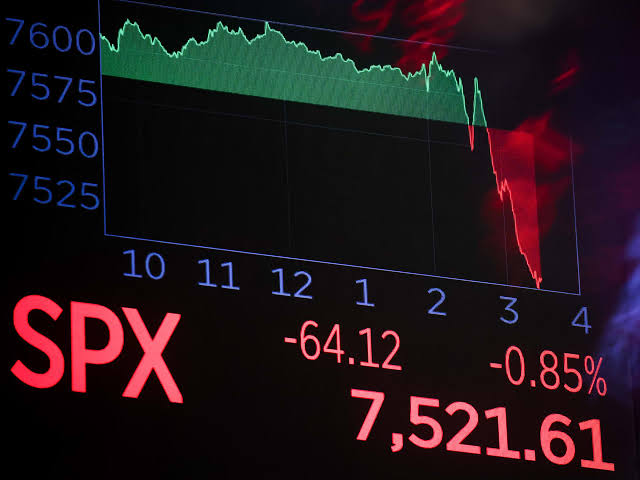
Stocks tied to AI infrastructure have powered the rally, with companies like Nvidia again helping push markets to record highs.
Economists see upside and risk
Not everyone is convinced the story is risk free. Many economists and technologists warn that AI could boost productivity while still cutting jobs, especially in white collar roles. Others worry about how the boom is being financed.
Major tech firms have issued more than $120 billion in debt this year to build massive data centers. Analysts at Goldman Sachs say today’s AI surge rhymes with past bubbles, even if the companies involved are far stronger than dot com era startups.
Former Council of Economic Advisers chair Glenn Hubbard called AI a “game changer” for productivity, but cautioned that communities and workers may not be ready for the speed of change. Past tech shifts, he noted, left many people behind.
Jobs anxiety grows, especially for young workers
So far, there is no wave of AI driven layoffs in the official data. But cracks are forming.
- A New York Fed survey found firms adopting AI are slowing hiring, not firing.
- About one quarter of companies said they plan to reduce hiring for college educated roles.
- Research from Stanford shows workers aged 22 to 25 are among the most exposed in AI heavy industries.
The administration downplays these risks. Hassett argues AI will augment workers, acting as a “great coach”, not a replacement. Trade adviser Peter Navarro went further, suggesting displaced white collar workers consider blue collar jobs, including manufacturing.
The Fed is watching closely
At the Federal Reserve, AI is now a key variable in the inflation and labor outlook.
Governor Lisa Cook said productivity gains from AI could help fight inflation, but stressed that the Fed is closely monitoring labor impacts. Another governor, Christopher Waller, warned that disruptions come before benefits, a familiar pattern with new technologies.
History looms large. In the late 1990s, aggressive tech investment helped fuel growth before the dot com bubble burst, wiping out firms and triggering a downturn. Some economists see similar froth today, even if the fundamentals are stronger.
No bailout promise, but big stakes
Despite the risks, the White House shows little appetite for restraint. Officials say the biggest danger would be slowing AI with regulation, not letting it run.
When an executive at OpenAI floated the idea of a federal backstop if the sector stumbled, the response was swift. The administration publicly ruled out any bailout, arguing that if one AI firm fails, others will replace it.
Still, policy experts warn that if debt heavy data centers sit idle and tech giants stumble, the fallout could spread quickly through markets and the economy.
Why this matters now
The White House is all in on AI as a growth engine heading into 2026. Markets are cheering, investment is exploding, and regulation is being rolled back. But job anxiety, rising leverage, and bubble comparisons are growing louder.
As one analyst put it, no one knows they are in a bubble until it bursts. For now, Washington is betting that AI’s rewards arrive faster than its risks. Whether that gamble pays off may define the next phase of the US economy.
Disclosure: This article does not represent investment advice. The content and materials featured on this page are for educational purposes only.
Related: How Big Tech Created the 2025 AI Boom on Debt
Stocks Split as Jobs Data and Trump’s Venezuela Oil Deal Take Spotlight