

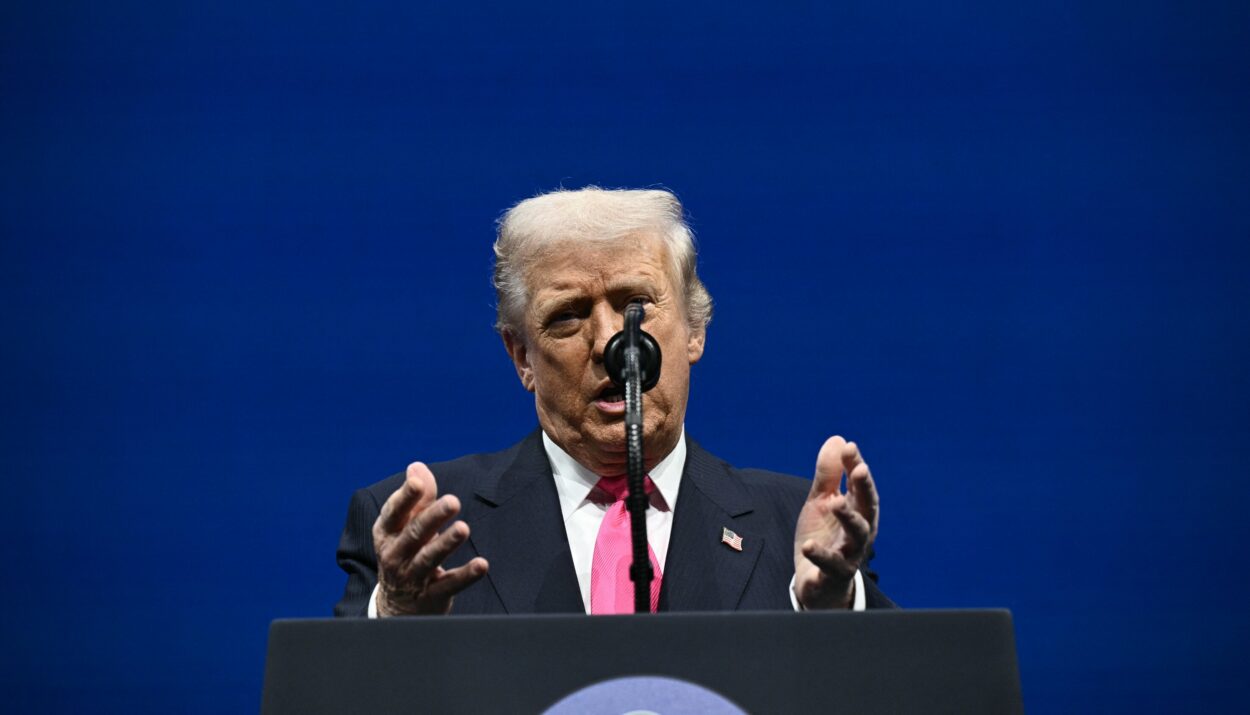

President Donald Trump’s paper wealth jumped sharply after Trump Media & Technology Group agreed to merge with TAE Technologies, a privately held nuclear fusion company. The deal has pushed renewed attention onto the future of fusion energy, a sector seen as critical for powering data centers, artificial intelligence, and long term clean energy goals.
Trump Media, best known as the owner of Truth Social, has rapidly expanded beyond social media in recent years, moving into crypto and now advanced energy technology. The fusion merger follows its earlier push to raise billions for bitcoin investments, marking another strategic pivot for the company.
Fusion funding surges, but hurdles remain
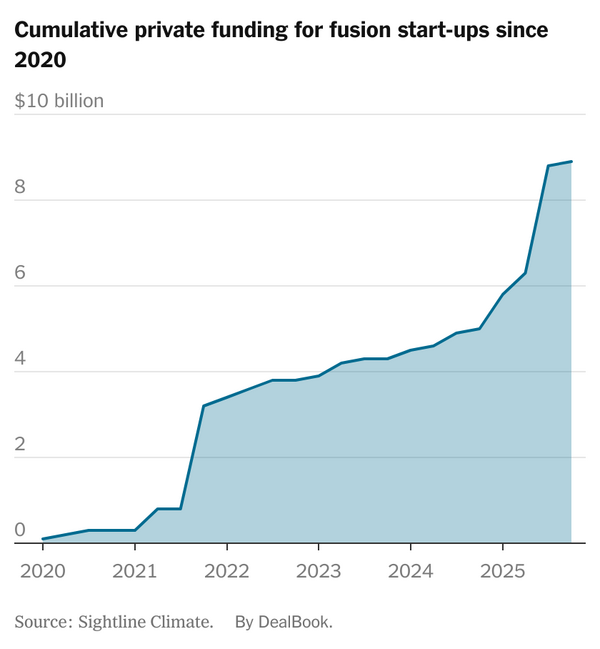
Private investment in fusion has surged globally, rising nearly fivefold this year to about $3.8 billion, according to industry data. TAE Technologies alone has raised around $1.3 billion, placing it among the best funded fusion startups alongside peers backed by Bill Gates and Sam Altman.
Fusion promises vast amounts of clean energy by replicating the reactions that power the sun. However, commercial viability remains unproven. No private company has yet produced more energy than it consumes, a milestone TAE once projected it could reach within a decade. The merged firm says it aims to begin building a utility scale fusion power plant next year, a timeline that some researchers view as optimistic.
China’s lead and US policy shift
While US fusion innovation has been driven largely by private capital, China has significantly outspent the US government in public fusion research. That gap has fueled debate in Washington over competitiveness and national energy security.
The Trump administration has signaled stronger support, recently creating a Department of Energy Office of Fusion focused on commercialization. Industry groups are calling for more than $1 billion per year in federal funding, arguing that large scale investment is needed to keep US firms competitive.
Why it matters
Supporters say fusion could become a strategic energy advantage for the US, especially as AI accelerates electricity demand. Skeptics caution that timelines remain uncertain and that fusion may not deliver meaningful power for years.
For now, the deal underscores how energy, technology, politics, and markets are increasingly intertwined, with fusion moving from a scientific ambition to a high stakes commercial and geopolitical race.
Disclosure: This article does not represent investment advice. The content and materials featured on this page are for educational purposes only.
Related: Trump Media to Merge With Fusion Energy Firm TAE Technologies in $6B Deal