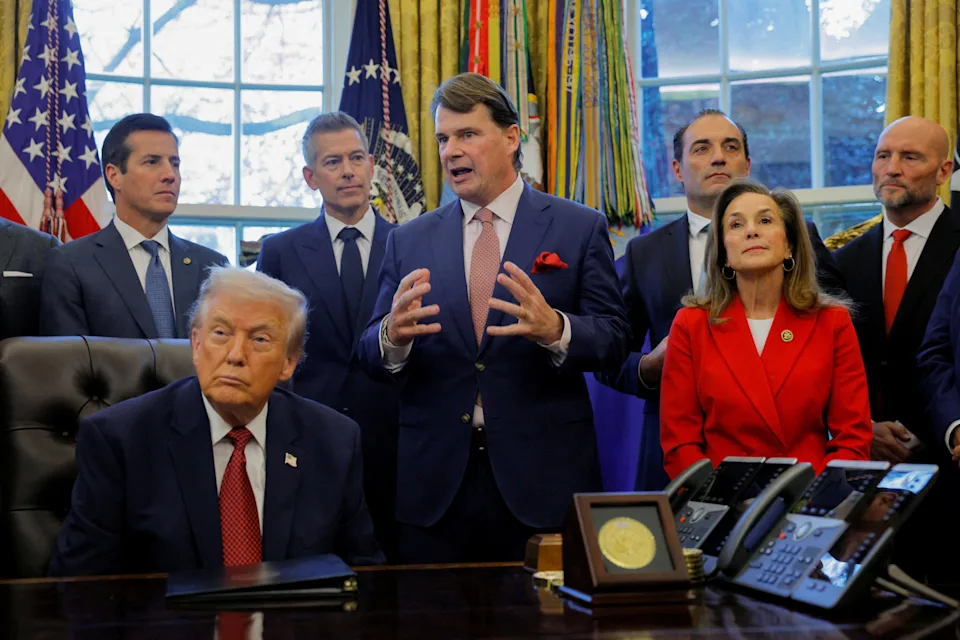

Top executives across the global auto industry are escalating warnings that rapidly expanding Chinese carmakers could threaten their survival if governments do not act to protect domestic manufacturing and supply chains.
The industry group Alliance for Automotive Innovation cautioned lawmakers that China represents a “clear and present threat” to US automakers, urging Washington to maintain restrictions on Chinese vehicle technology imports that effectively block many models from entering the American market.
Leaders from companies such as Ford Motor Company, General Motors, and Stellantis say the concern is not theoretical. Chinese brands are already expanding rapidly across Europe, Latin America, and parts of Asia thanks to low production costs, state subsidies, and aggressive pricing.

Cost Advantage Driving Global Expansion
RJ Scaringe, CEO of Rivian, said Chinese automakers benefit from two structural advantages: extremely low capital costs and significantly cheaper labor. In many cases, factories are subsidized by local governments, while workforce expenses can be only a fraction of those faced by Western manufacturers.
Ford chief Jim Farley has repeatedly described Chinese competition as an “existential threat”, noting their vehicles combine advanced technology with lower prices. He warned that Chinese brands are already dominant in many global markets even if their presence in the US remains limited for now.
At GM, CEO Mary Barra pointed to Canada’s decision to allow a quota of Chinese electric vehicles as a potential turning point, calling it a “slippery slope” that could reshape North America’s auto landscape.
Tariffs Are Holding the Line, For Now
Currently, steep import tariffs are the main barrier preventing Chinese cars from flooding the US market. A 100 percent duty on Chinese-built vehicles, introduced during the previous administration and kept in place under Donald Trump, largely neutralizes their cost advantage.
Still, executives acknowledge that tariffs may only delay the inevitable. Some industry insiders say Chinese manufacturers could eventually enter the US by building vehicles domestically through joint ventures with American partners, allowing them to bypass trade barriers while still leveraging their technology and supply chains.
Global Pressure Is Already Visible
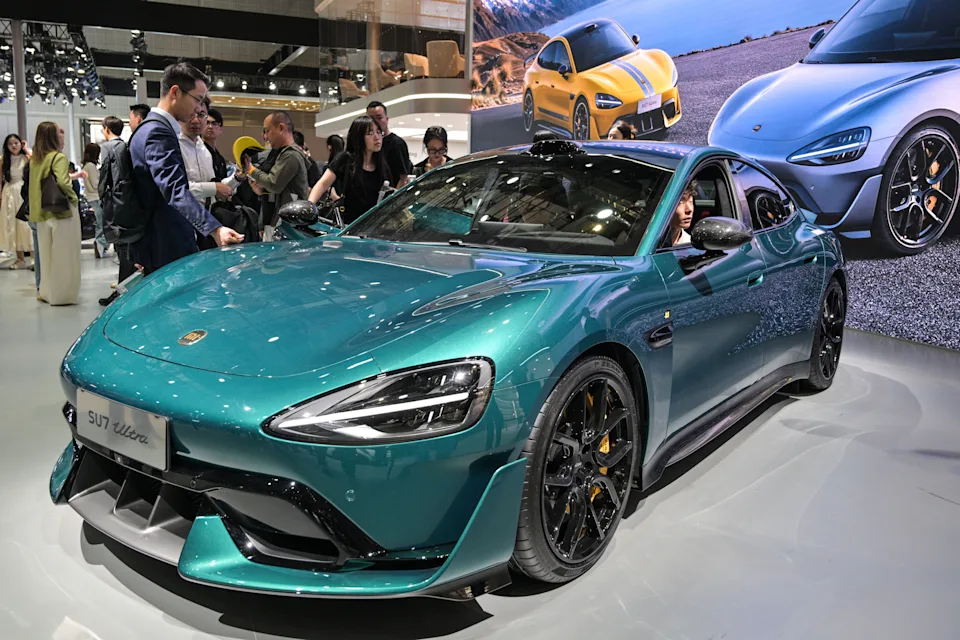
Chinese automakers captured about 6.1 percent of Europe’s auto market last year, nearly doubling their share in a single year despite tariffs exceeding 35 percent on certain imports. Meanwhile, they account for roughly one-fifth of new vehicle sales in Mexico and are targeting rapid growth in emerging markets.
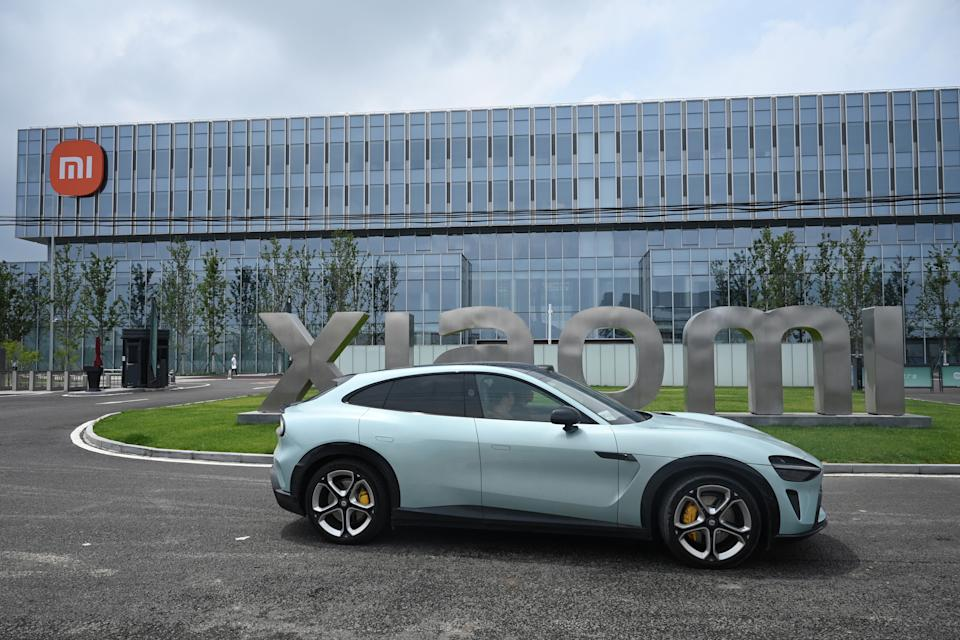
Companies like BYD, Xiaomi, and Geely are expanding aggressively abroad, often pairing advanced software features with lower price tags. Geely already owns global brands such as Volvo and Polestar, highlighting how deeply Chinese capital is integrated into the international auto ecosystem.
Europe Facing Strategic Choice
European leaders are also weighing policy responses. Antonio Filosa and Oliver Blume recently urged policymakers to introduce incentives favoring locally built vehicles, arguing that trade, technology, and manufacturing are increasingly being used as geopolitical tools.
Analysts say the broader trend is clear: China’s domestic auto market is saturated, pushing manufacturers to seek growth overseas. That export push, combined with their cost advantage, means competition is likely to intensify across nearly every major region.
Western automakers no longer see Chinese rivals as a distant threat. They view them as a fast-approaching force capable of reshaping pricing, supply chains, and the balance of power in the global auto industry.
Related: EU Moves Forward With Hefty Tariffs on China-Made EVs
Gold and Silver Crashed. Here’s What Really Happened and Why It Matters
Disclosure: This article does not represent investment advice. The content and materials featured on this page are for educational purposes only.