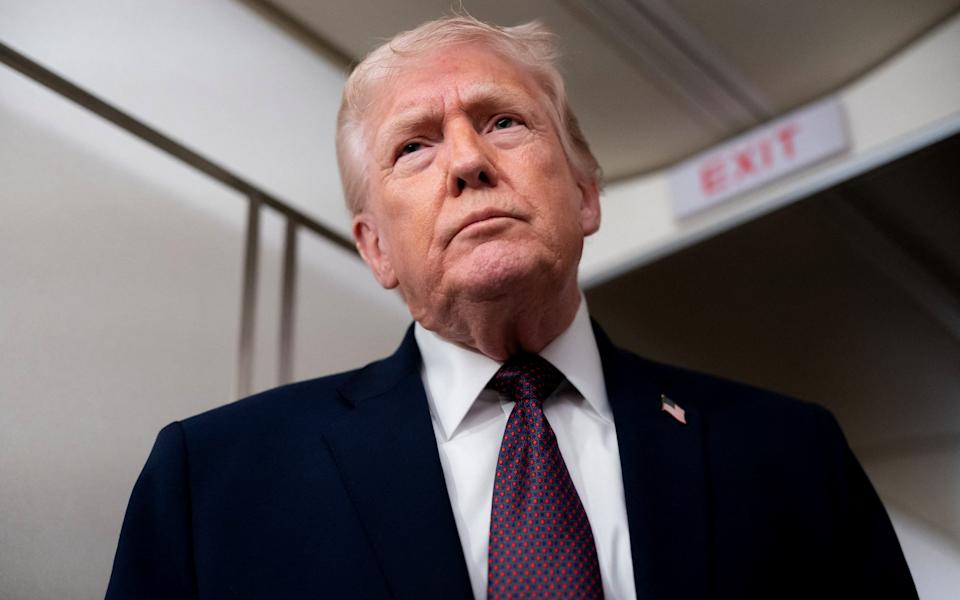

President Donald Trump’s plan to cap credit card interest rates at 10% for 12 months is facing sharp resistance from banks, investors, and economists, who warn it could push millions of Americans into deeper financial trouble.
Trump has said the cap would take effect from January 20, aiming to ease pressure on households struggling with high borrowing costs. However, major financial groups argue the move would backfire.
Banks warn of card cancellations and credit pullbacks
The American Bankers Association and the Bank Policy Institute warned the cap would make lending to high-risk borrowers unprofitable, forcing banks to cancel cards and tighten credit.
Hedge fund billionaire Bill Ackman, a Trump supporter, said a 10% cap would prevent lenders from pricing subprime risk properly, pushing vulnerable consumers toward loan sharks and unregulated lenders.
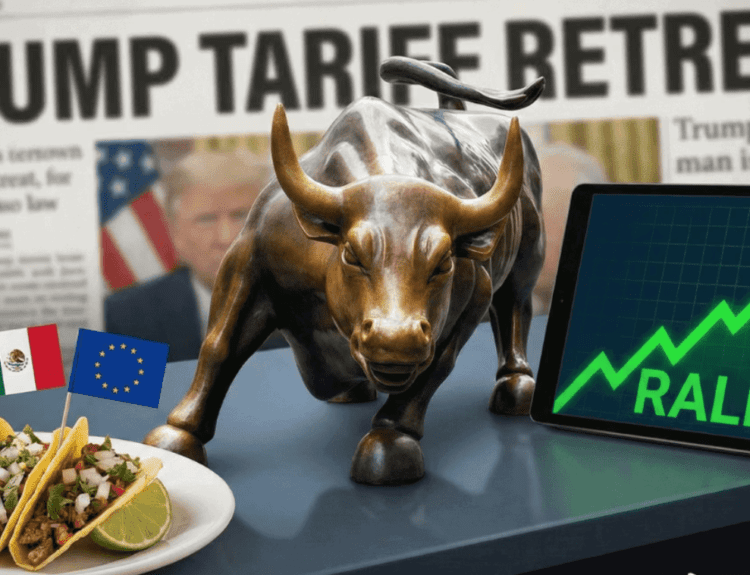
Markets react quickly
US credit card providers fell sharply following Trump’s announcement. Capital One shares dropped more than 6%, while bank stocks in the UK also declined. Barclays fell 3.3% in London due to its US card exposure, and NatWest slipped 1.2%.
Why the stakes are high
Credit cards play a central role in the US economy. The number of accounts reached a record 642 million in late 2025, nearly double the US population. Total credit card debt stands at $1.23 trillion, up 39% since the pandemic.
While a 10% cap would more than halve the current average interest rate of 22.5%, economists warn the people Trump aims to help may suffer most.
Moody’s Analytics economist Justin Begley said banks would likely stop lending to higher-risk borrowers altogether, calling the policy unworkable without heavy losses for lenders.
With delinquency rates rising and more households relying on credit for basic living costs, critics say the proposal risks tightening access to credit just as financial stress is spreading across low and middle income Americans.
Disclosure: This article does not represent investment advice. The content and materials featured on this page are for educational purposes only.
Related: Wall Street Falls as Tech and Bank Stocks Lead Losses