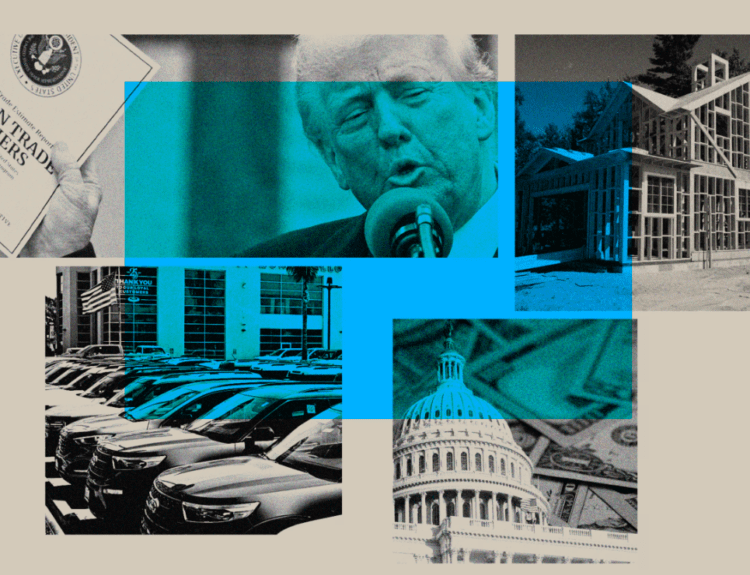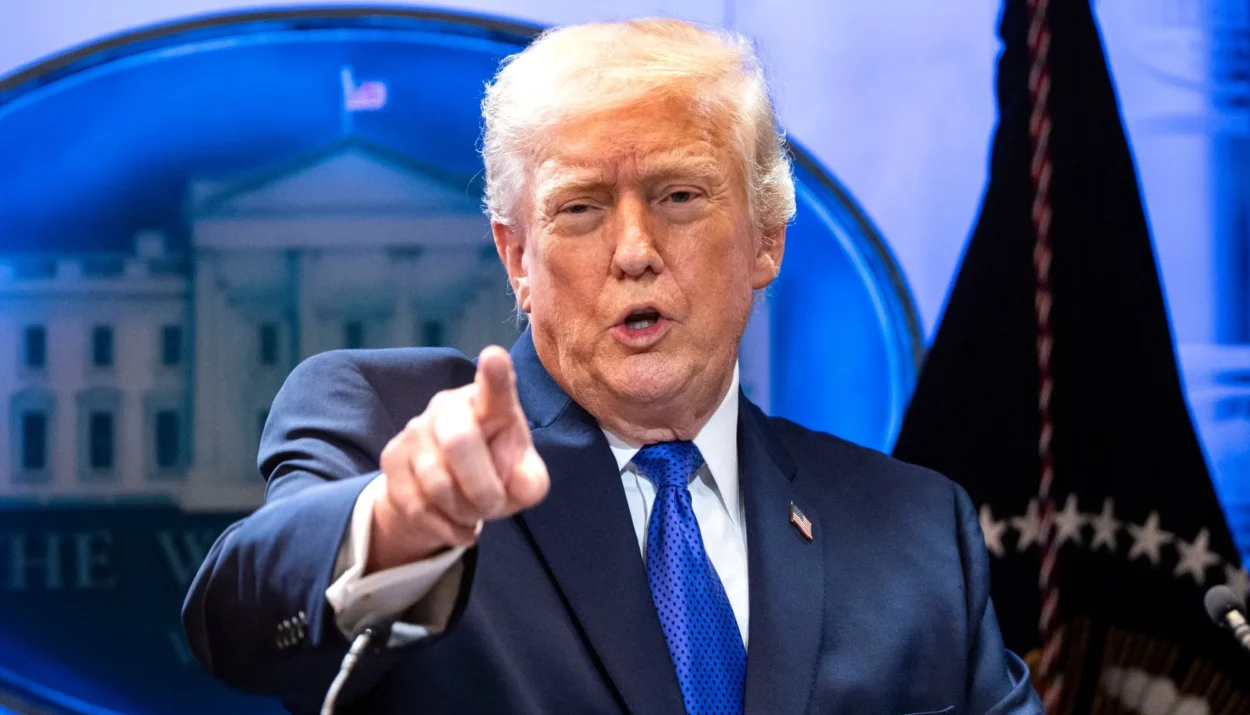

The trade fight escalated within hours. After the US Supreme Court struck down a central pillar of the administration’s tariff program, President Trump responded with a rapid new policy that reshaped global trade expectations overnight.
The court ruled 6 to 3 that the emergency powers law used to justify sweeping import taxes does not authorise tariffs. Chief Justice John Roberts wrote that the statute cited by the administration contains no language granting tariff authority. The decision immediately halted a large portion of duties imposed over the past year.
Instead of backing down, Trump moved fast. He first announced a 10% worldwide tariff using Section 122 of the Trade Act of 1974, a rarely used authority that allows temporary import surcharges for up to 150 days. Less than a day later, he raised that rate to 15%, the legal maximum, saying the increase would take effect immediately.
In a statement, Trump said countries had been “ripping the US off for decades” and vowed to continue using other trade laws to impose additional duties. He also criticized the court’s ruling as “deeply disappointing” and attacked justices who ruled against him.
What Changes Now
The new flat tariff applies broadly to imports regardless of country, though some goods remain exempt, including products already covered by national security tariffs and certain agricultural items. Imports from Canada and Mexico covered under existing trade agreements will also remain duty-free.
For some countries, including Britain and Australia, the new rate is actually higher than their previous tariff levels. For others, such as China, India, and Brazil, it may be lower than the earlier targeted duties that were struck down.
Why It Matters
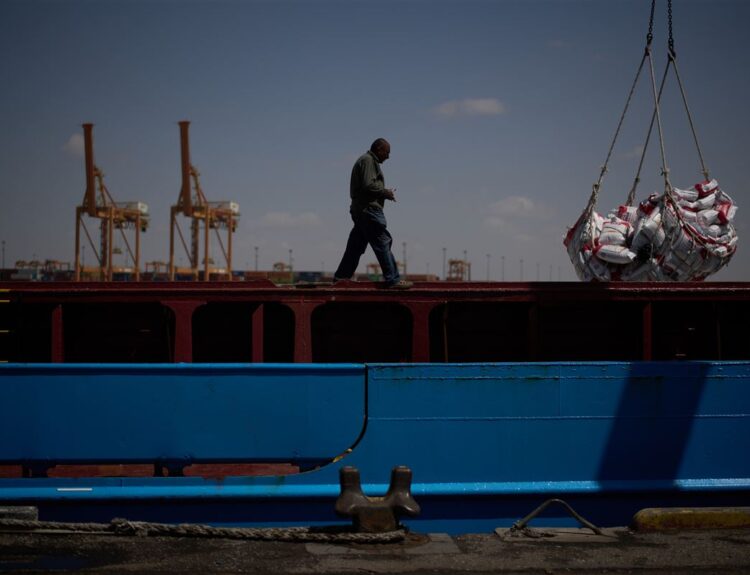
Economists say the ruling and the rapid policy shift extend uncertainty for businesses and governments worldwide. Companies had already struggled to adapt supply chains amid changing tariff threats. The court decision also raises the possibility that importers could receive refunds totalling more than $100 billion for previously collected duties.
The administration signaled it may soon pursue additional tariffs using other statutes such as Sections 301 and 232, which allow trade penalties tied to unfair practices or national security concerns. Those processes typically take longer to implement.
Global Impact Outlook
Trade analysts warn the sudden shift could reshape negotiations between the US and its trading partners. Some countries made concessions over the past year to avoid steep tariffs. With those duties now void, governments may rethink agreements they previously accepted.
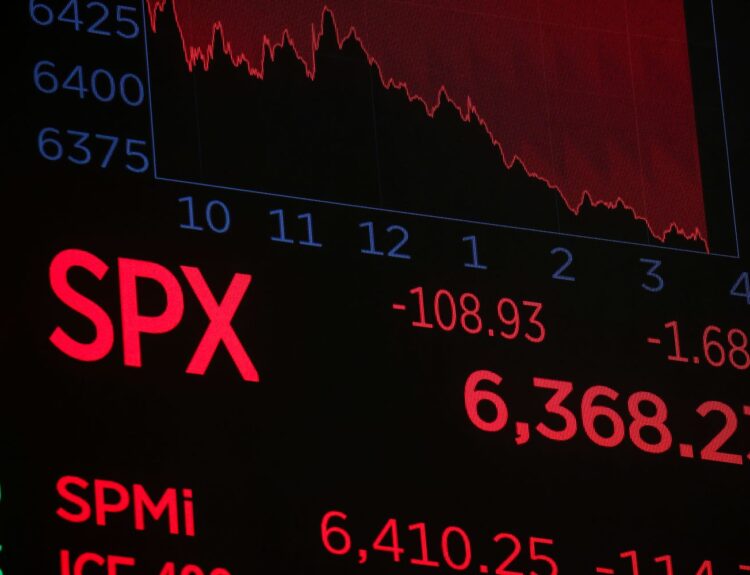
Markets and policymakers are watching closely. A uniform tariff could benefit low-cost exporters whose goods remain competitive even after a 15% tax, while US consumers and import-dependent businesses may face higher prices.
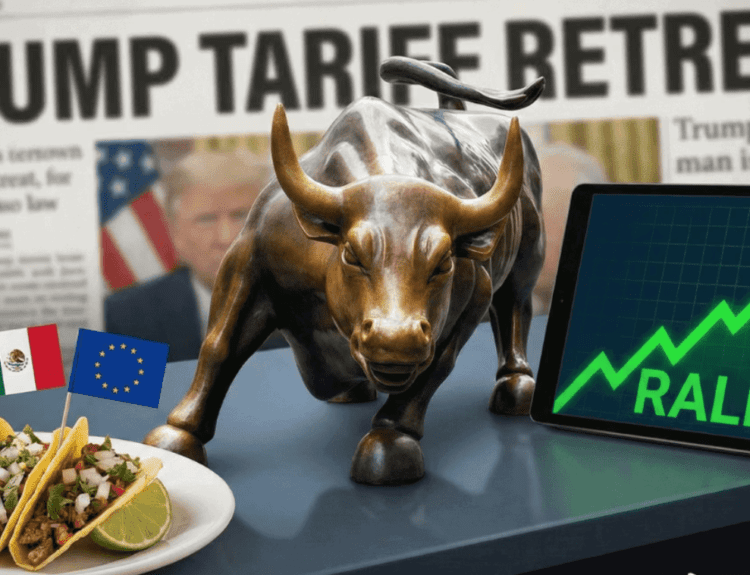
The court removed one of the president’s strongest trade tools, but the new tariff shows the strategy itself is far from over.
Related: Two Stock Market Trends Investors Should Know
Prediction Market ETFs Could Be on the Way. Here’s What You Need To Know About Them
Disclosure: This article does not represent investment advice. The content and materials featured on this page are for educational purposes only.