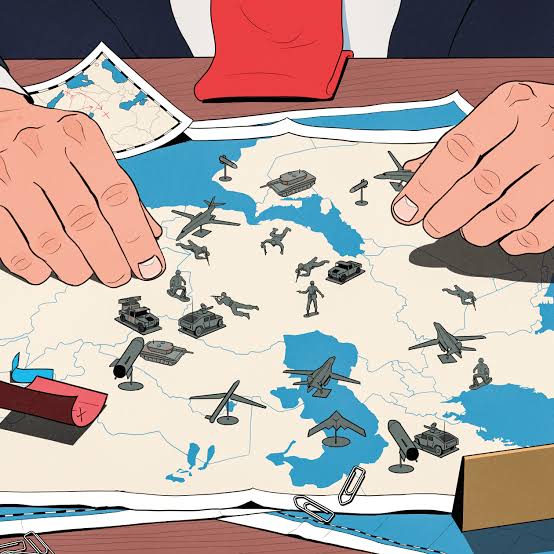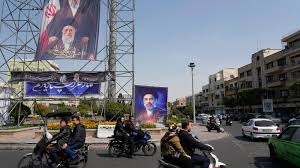

A temporary Ceasefire between Israel and Lebanon could ease regional tensions, but major risks remain as the broader conflict continues.
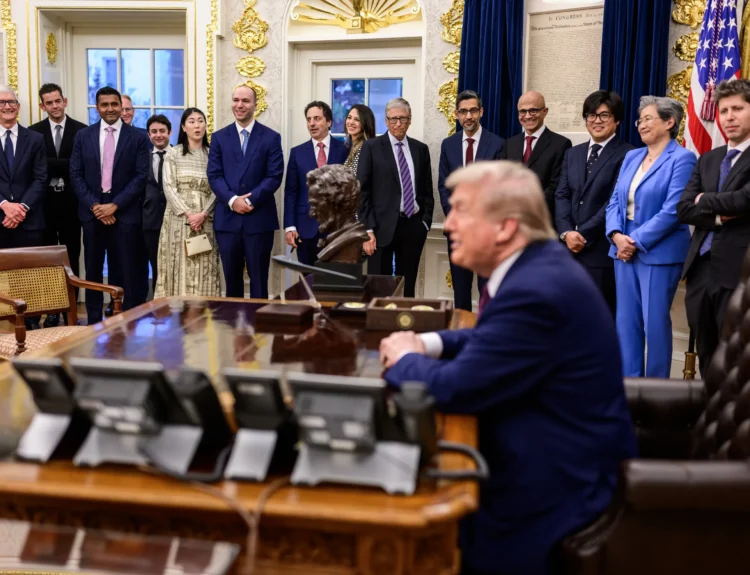
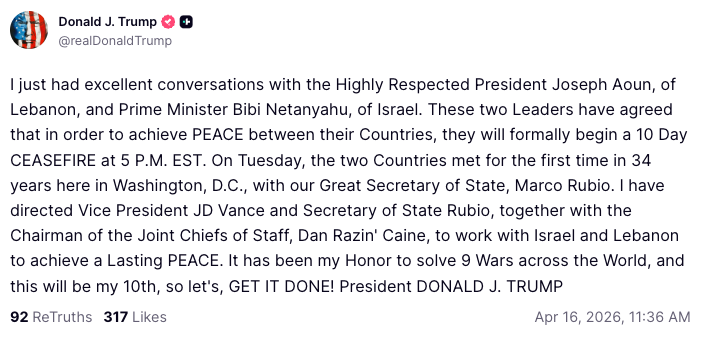
President Donald Trump announced that Israel and Lebanon have agreed to a 10-day ceasefire, marking a significant diplomatic step in the wider Iran-linked conflict.
The truce is set to begin at 5 PM EST on Thursday, following talks with Israeli Prime Minister Benjamin Netanyahu and Lebanese President Joseph Aoun.
What’s happening now
The ceasefire comes after weeks of intense fighting:
- More than 2,000 people killed in Lebanon
- Over 1 million displaced due to ongoing strikes
- Continued attacks in southern Lebanon just days before the deal
Lebanon’s Prime Minister Nawaf Salam welcomed the move, calling it a key demand since the start of the war.
Not a full peace deal
Despite the agreement, the situation remains fragile:
- Hezbollah is not formally part of the deal
- The group said it will only comply if Israeli strikes stop
- Israel has signaled it will continue operations if needed
This means the ceasefire is temporary and conditional, not a long-term solution.
Part of a bigger strategy
The move is also tied to wider negotiations. The ceasefire was reportedly a key demand from Iran before broader talks, and now US officials are pushing for larger diplomatic agreements. Donald Trump has invited both sides for direct talks moving forward.
There are also expectations that this could open the door to new US–Iran negotiations.
This is a pause, not an end. The ceasefire may reduce immediate violence, but with multiple actors involved and key groups outside the agreement, tensions remain high.
For now, the focus shifts to one question: Can this short truce turn into something bigger, or is it just a temporary break before the next escalation?
Disclosure: This article does not represent investment advice. The content and materials featured on this page are for educational purposes only.
Related: ‘President Xi will give me a big, fat, hug’: Trump says