

Oil prices have been rising this week as traders factor in **growing fears of a disruption to shipments through the strategic Strait of Hormuz, a narrow waterway through which about 20% of the world’s oil flows.
At the time of reporting, US crude hovered around about $66.59 per barrel, while international benchmarks like Brent were trading near recent multi-month highs as geopolitical risk premiums pushed markets up.
The increases come amid escalating tensions between the U.S. and Iran, including warnings from officials that military action could be taken if negotiations over Iran’s nuclear program falter, a development that would likely disrupt crude exports from the region.
More about: Why Oil Prices Stay High Even When Supply Is Strong
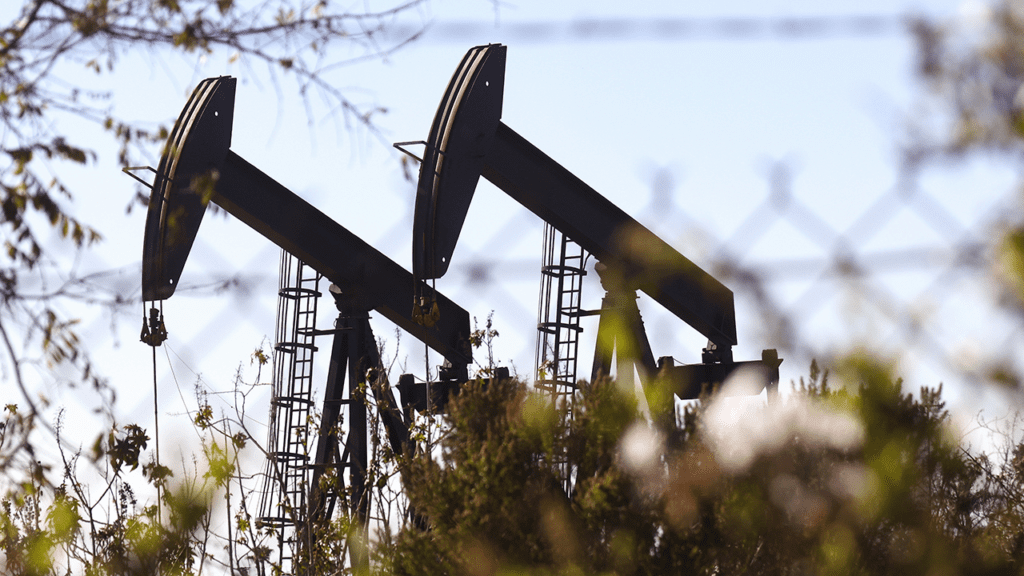
But according to former U.S. Energy Secretary Dan Brouillette, the current jump in oil prices is not the result of a shortage of oil supply itself. He told FOX Business that global oil supply is “plentiful”, especially because the United States is producing more oil than ever, which has helped keep a lid on any dramatic price spike near $100 per barrel.
“What we are not seeing is a lack of supply in the marketplace,” Brouillette said. “That is traditionally what would drive prices higher. That is not the case today.”
Because of high US production and stable inventories, Brouillette expects prices to stabilise around the mid-$60 range unless an actual supply disruption occurs.
More about: New Commodity War: How Trade Barriers Are Breaking Global Markets
Market analysts agree that much of the recent price movement reflects risk pricing, the chance of future disruption, rather than actual shortages. Even as prices climb due to geopolitical tension, global crude inventories and overall supply remain relatively strong, helping soften price pressure.
Still, oil traders are watching developments closely, especially diplomatic negotiations and the potential for conflict — factors that could push prices higher or keep volatility elevated in the weeks ahead.
Disclosure: This article does not represent investment advice. The content and materials featured on this page are for educational purposes only.