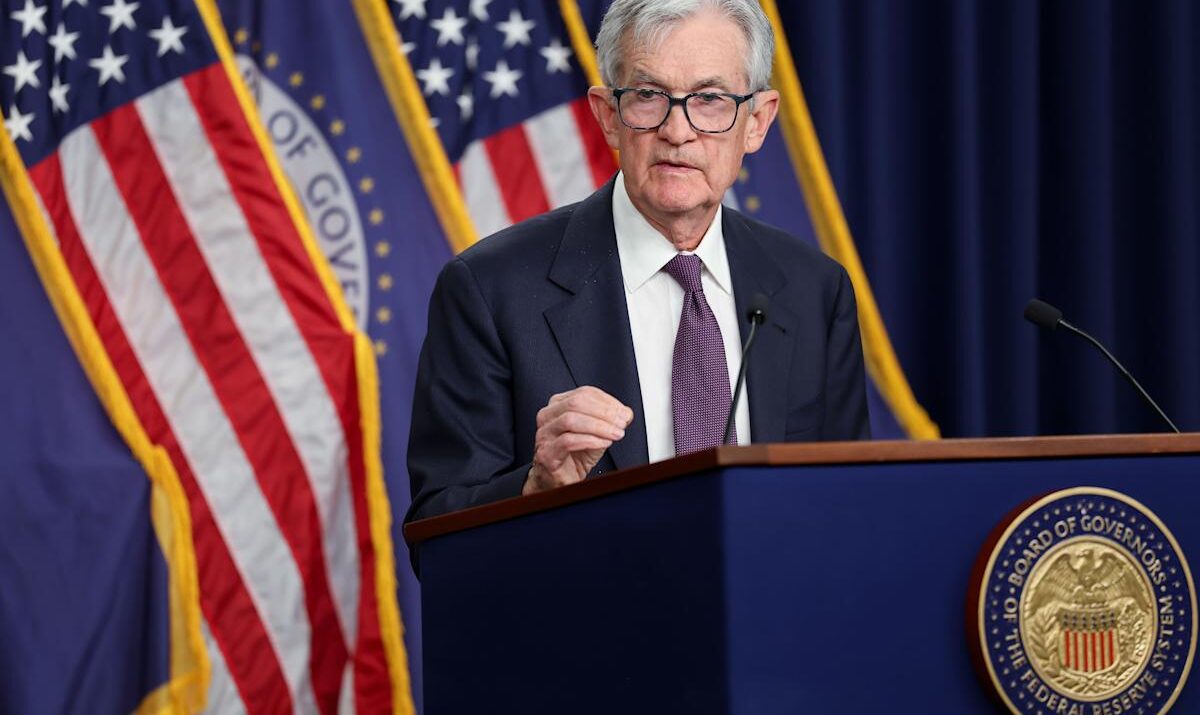

The Federal Reserve is expected to stay on hold… but the real story is uncertainty. The Fed is widely expected to leave interest rates unchanged at the end of its upcoming meeting, as policymakers face a complex mix of rising inflation risks, geopolitical pressure, and a softening labor market.
Markets are not focused on the decision itself. They are focused on what comes next.
No Rate Cut, No Clear Direction
Forecasts suggest the Fed will keep its benchmark rate in the 3.5% to 3.75% range, continuing a wait-and-see approach.
Recent data shows a mixed picture:
- Inflation jumped to 3.3%, rising sharply from previous months
- The US added 178,000 jobs in March, showing some resilience
- But hiring remains slow and uncertain
This leaves policymakers stuck between two risks: inflation staying too high and growth slowing too much.
According to officials, there is currently no “obvious path” forward for rates.
Oil, War, and Tariffs Complicate the Outlook
The situation is being made worse by external shocks.
- Oil prices are rising sharply, driven by the Iran conflict
- Tariffs and supply chain disruptions are adding to price pressure
- Ongoing instability around the Strait of Hormuz is increasing uncertainty
These factors could keep inflation elevated for longer than expected, forcing the Fed to remain cautious.
Some policymakers are even warning about a worst-case scenario: stagflation, where growth slows while inflation stays high.
All Eyes on Powell’s Message
Investors are now waiting for signals from Jerome Powell. His upcoming press conference could be one of his final appearances as Fed Chair, making it even more important for markets.
The key question: Will the Fed prioritize fighting inflation… or protecting the job market?
His tone could shape expectations for the rest of 2026.
Leadership Transition Adds Market Uncertainty
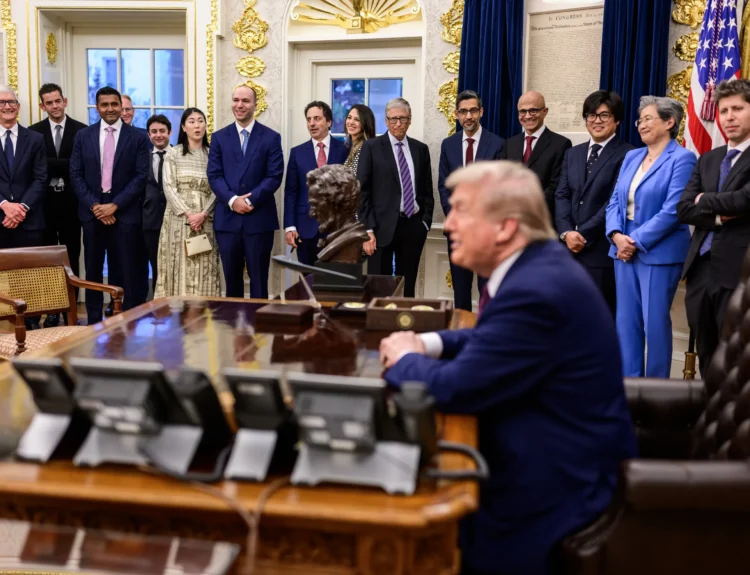
At the same time, a major leadership change is approaching. Donald Trump has nominated Kevin Warsh to replace Powell as Fed Chair.
Warsh’s confirmation appears to be moving forward, which could lead to:
- New policy frameworks
- Changes in how the Fed communicates with markets
- A potential shift in long-term strategy
However, analysts warn that any transition could increase market volatility, especially if tensions rise over the Fed’s independence.
What It Means for Markets and Consumers
For now, stability in rates means:
- Borrowing costs remain high
- Consumers may continue facing expensive loans and credit
- Businesses may stay cautious on hiring and investment
At the same time, persistent inflation means relief is not coming quickly. The Fed is not acting… because it can’t act with confidence.
- Inflation is rising again
- Growth signals are mixed
- Geopolitical risks are intensifying
- Leadership is about to change
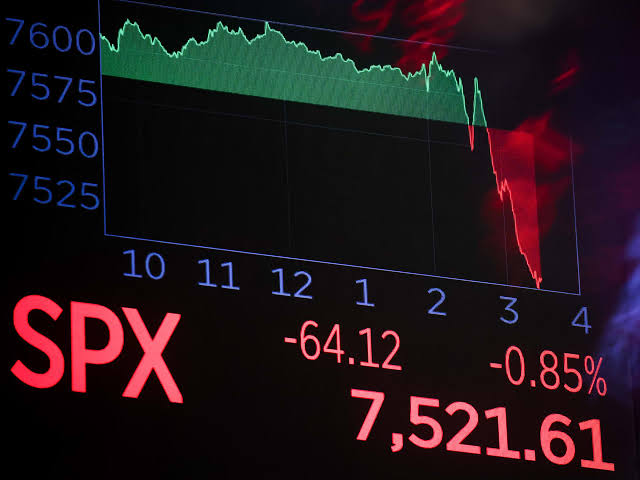
The result: a central bank stuck in the middle, waiting for clarity. And until that clarity comes, markets are likely to remain volatile and uncertain.
Disclosure: This article does not represent investment advice. The content and materials featured on this page are for educational purposes only.
Related: Markets Face Crucial Week as Big Tech Earnings and Fed Decision Loom