
Global markets head into the new week facing a powerful mix of corporate earnings, political decisions, and economic data that could shape investor sentiment across stocks, commodities, and currencies.
Stocks Rally After Court Shock
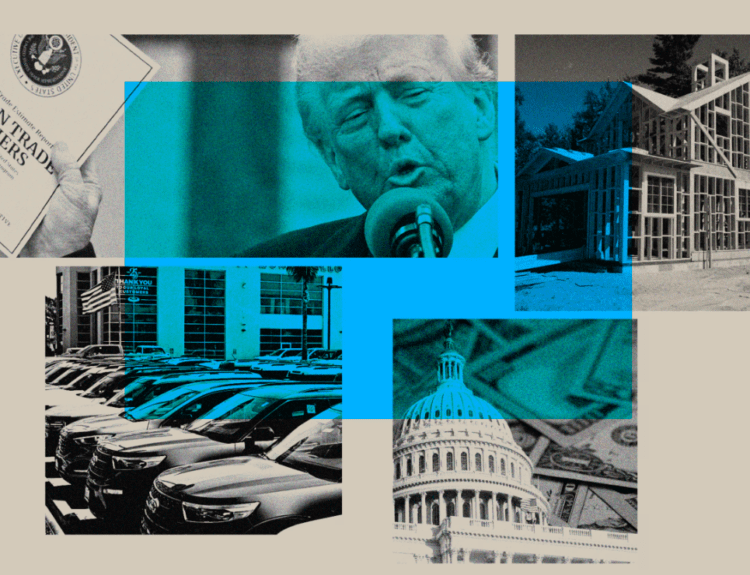
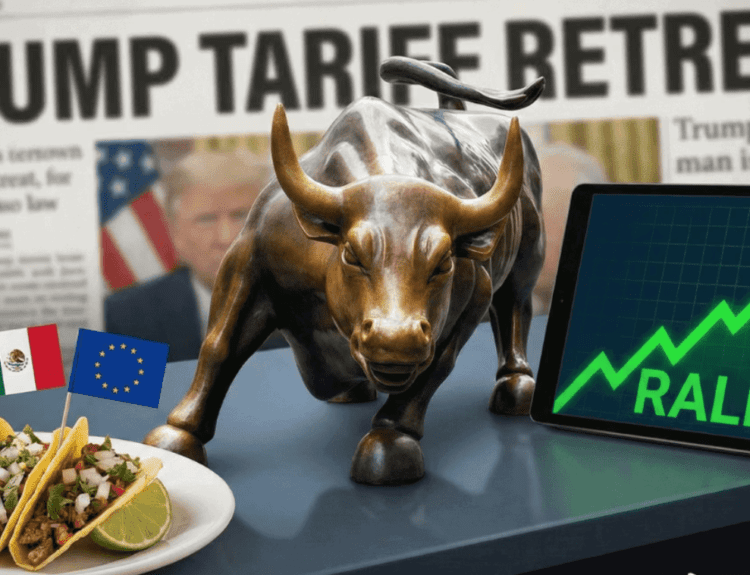
Wall Street closed last week higher after the US Supreme Court struck down a major portion of President Donald Trump’s tariff program. The ruling removed a key uncertainty for investors, helping major indexes finish the week in positive territory.
- S&P 500 rose about 1.1% for the week
- Dow gained roughly 0.3%
- Nasdaq climbed about 1.3%
Analysts say markets reacted calmly because traders had already priced in the legal risk. Still, strategists warn that the administration may replace the blocked tariffs using other legal tools, meaning policy uncertainty is far from over.
Nvidia Earnings Could Set the Tone for Tech
The biggest event for investors may arrive Wednesday when Nvidia reports quarterly results. The chip giant has been the engine behind the AI stock boom, and its outlook is widely seen as a signal for the entire tech sector.
Investors will watch closely for comments from CEO Jensen Huang on:
- Demand for AI chips
- Spending trends among Big Tech clients
- Access to China markets
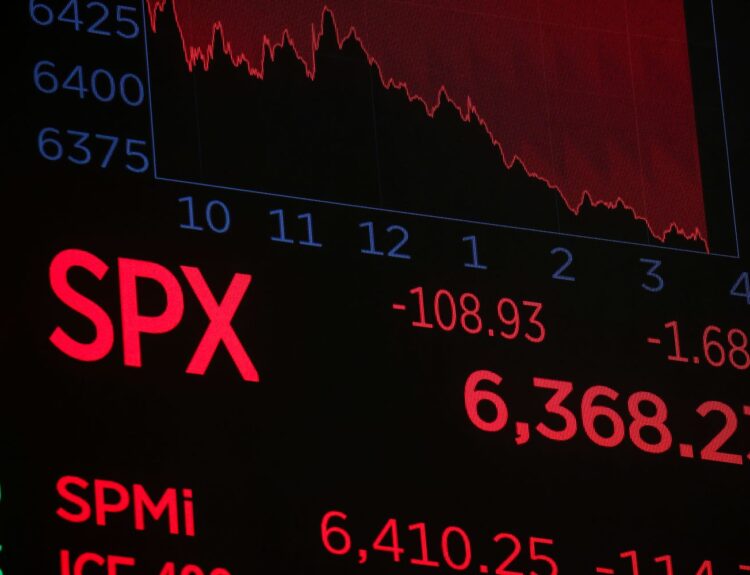
Strong guidance could reignite the AI rally. Weak signals could deepen the recent tech selloff.
Earnings Across the Economy Will Test Growth
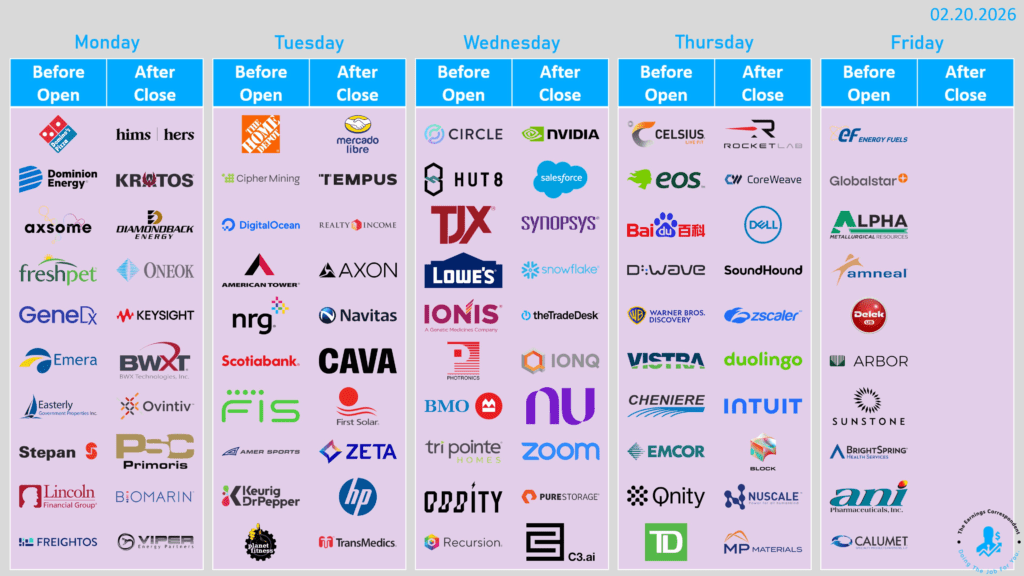
It is not just tech reporting this week. A wide range of companies from retail, finance, and energy sectors will release results, offering clues about the broader economy.
Key companies reporting include:
- Home Depot and Lowe’s for housing demand signals
- Salesforce for enterprise tech spending
- Dell for hardware demand
- Berkshire Hathaway for a broad read on corporate America
Together, these reports will help investors gauge whether the economy is slowing or stabilizing.
Oil Markets Watching Iran Tensions
Energy traders are also on edge. Oil prices climbed about 5.5% last week and are now up roughly 15% in 2026, largely because of rising tensions between Washington and Tehran.
Analysts say the biggest risk is disruption to the Strait of Hormuz, a key shipping route that carries around 20 million barrels of oil per day. If conflict escalates:
- Limited strikes could push oil up about $10 per barrel
- Larger conflict could trigger a $15 sustained spike
Even without military action, uncertainty alone can keep prices elevated because traders price in geopolitical risk.
More aboutI Why Oil Prices Stay High Even When Supply Is Strong
Inflation and Jobs Data Could Move Markets
On the macro front, investors will focus on new economic reports, especially Friday’s Producer Price Index, which tracks wholesale inflation. The data will be closely watched because the Federal Reserve is still debating when to cut interest rates.
Other key releases this week include: Consumer confidence, Jobless claims, Housing price data
These reports will help determine whether inflation is cooling fast enough to justify rate cuts later this year.
Related: New Commodity War: How Trade Barriers Are Breaking Global Markets
Politics Returns to Center Stage
President Trump’s upcoming State of the Union speech could also move markets. Investors expect details on how the administration plans to respond to the court’s tariff ruling, along with potential announcements on taxes, trade, and economic policy.
Why This Week Matters
This week combines three powerful market drivers at once:
- Corporate earnings showing real economic performance
- Government policy reshaping trade and inflation outlook
- Global tensions influencing energy prices
When these forces collide, markets often move sharply. That is why traders, analysts, and investors worldwide are watching closely. The next few days could set the direction for stocks, oil, and interest rates for weeks to come.
Disclosure: This article does not represent investment advice. The content and materials featured on this page are for educational purposes only.