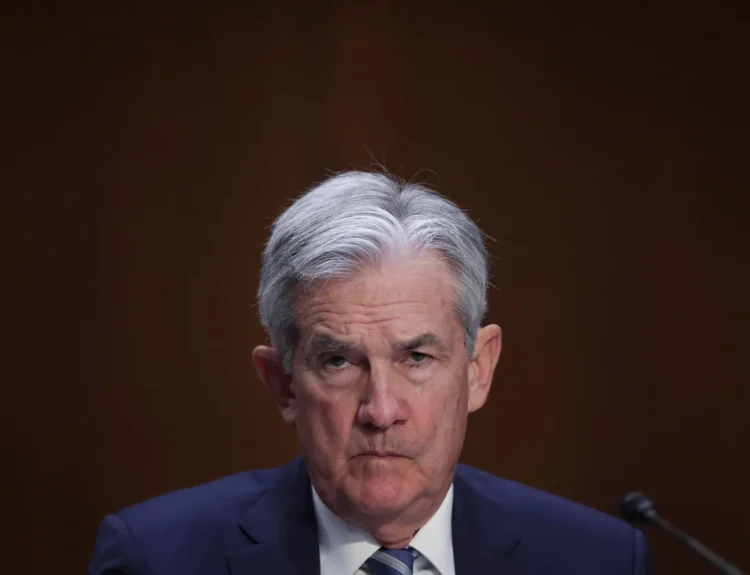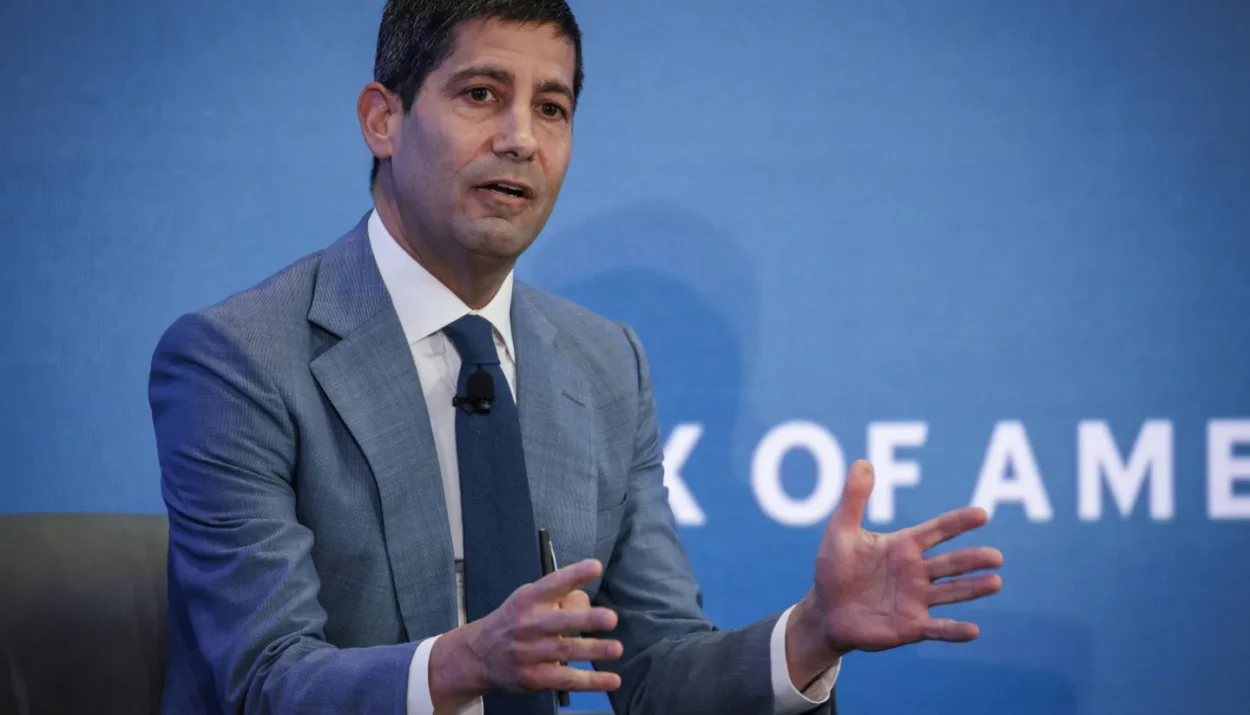

Markets breathed a brief sigh of relief after Kevin Warsh emerged as Donald Trump’s pick to lead the Federal Reserve. On paper, Warsh appears to be a textbook inflation hawk. In practice, many investors may be misreading what his chairmanship would actually mean.
The gap between Warsh’s reputation and his likely actions could be where the real money is made.
The Hawkish Image
Warsh has spent years criticising easy money. As a former Fed governor from 2006 to 2011, he opposed the second round of quantitative easing. He later called the Fed’s multi-trillion dollar balance sheet a relic of crisis-era thinking. He has argued repeatedly that inflation is not an accident but a policy choice.
That track record is why markets initially assumed his nomination signaled tighter policy ahead.
But context matters.
The Political Reality
Warsh would not be entering an independent Fed environment. He would be stepping into a central bank under intense political pressure, led by a president openly demanding rate cuts, higher stock prices, and fast economic growth ahead of elections.
Trump did not nominate Warsh to slow the economy or shock markets. He nominated him to sound credible while delivering accommodation.
In short, the résumé says hawk. The incentives say dove.
Why Markets May Be Getting It Wrong
Investors betting on a return to hard money may be anchoring to Warsh’s past statements rather than his future constraints.
Several signals point the other way:
- Warsh has recently spoken about AI driven productivity gains as justification for lower rates without inflation. That is not tightening logic. It is intellectual cover for easier policy.
- The US economy is still growing near 3 percent, unemployment sits just above 4 percent, and equity markets are near record highs. A sharp tightening cycle would directly clash with White House priorities.
- Inside the Fed, there is no clear voting bloc for aggressive hikes. Even if Warsh pushed, resistance would be immediate.
The most likely outcome is tough rhetoric paired with flexible policy.
What This Means for Investors
If Warsh talks like a hawk but governs like a pragmatist, several market implications follow:
Bonds remain vulnerable
Long duration Treasuries still face negative real returns if inflation stays above yields. Policy restraint in language does not fix debt dynamics in reality.
Gold and silver stay relevant
Hard assets do not trade on speeches. They trade on real rates and currency debasement. If accommodation continues quietly, precious metals retain structural support.
Bitcoin stays in play
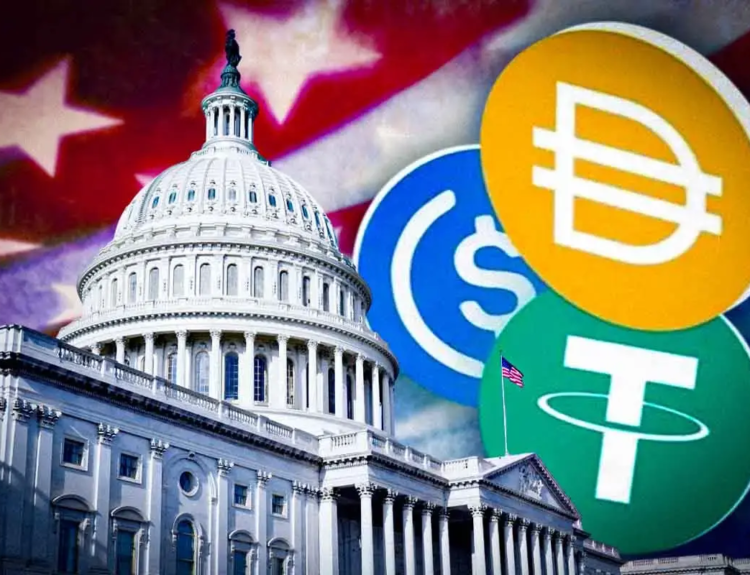
Warsh has previously described bitcoin as a store of value similar to gold and has backed clearer crypto regulation. If liquidity remains ample, digital assets benefit from credibility without crackdown risk.
Dividend focused equities outperform
Companies that generate cash and raise dividends consistently tend to shine in environments where policy looks disciplined but remains supportive.
Risk assets get tailwinds in the short term
Trump wants markets up. A Fed chair aligned with that goal reduces the probability of policy shocks.
Kevin Warsh is not Paul Volcker. He is unlikely to sacrifice markets or growth to make a philosophical point about inflation. Expect disciplined language, polished speeches, and references to price stability.
Then watch the actions.
For investors, the opportunity may lie not in betting on a hawkish revolution but in positioning for continued monetary debasement with better public relations. Less faith in paper promises. More focus on assets that benefit from what the Fed does, not what it says.
Disclosure: This article does not represent investment advice. The content and materials featured on this page are for educational purposes only.