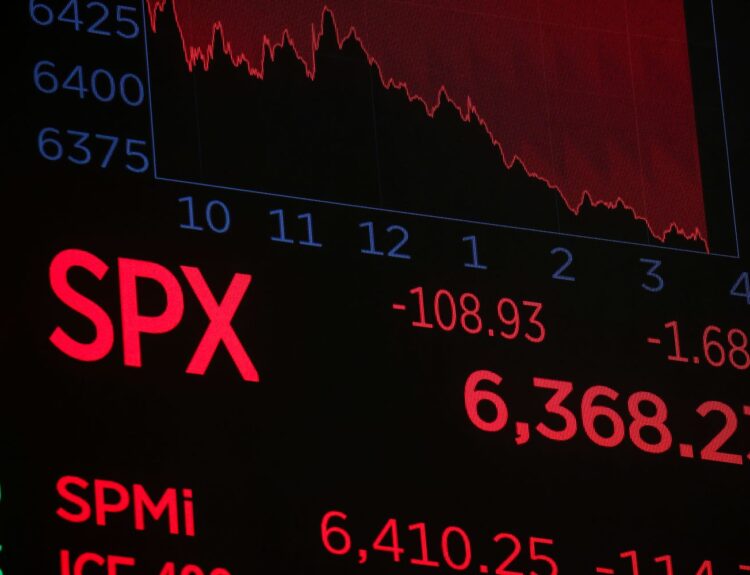

It has been a strange start to February on Wall Street, with assets that dominated last year’s rally now swinging sharply as momentum trades lose steam.
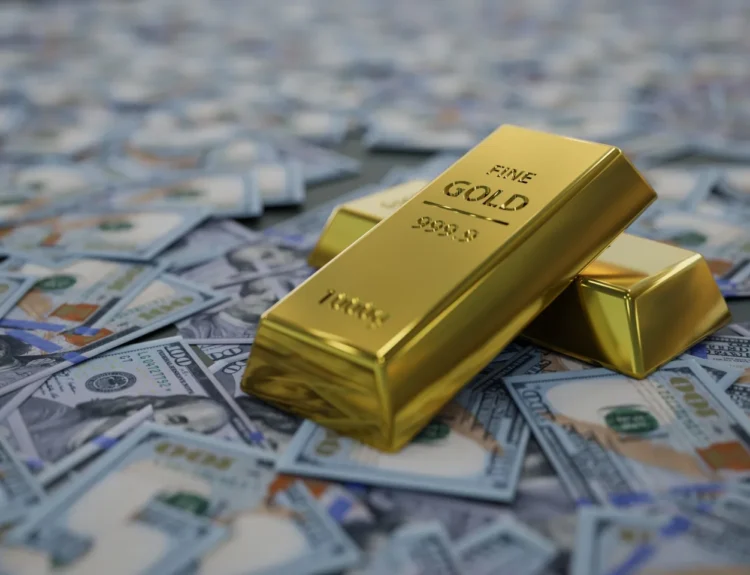
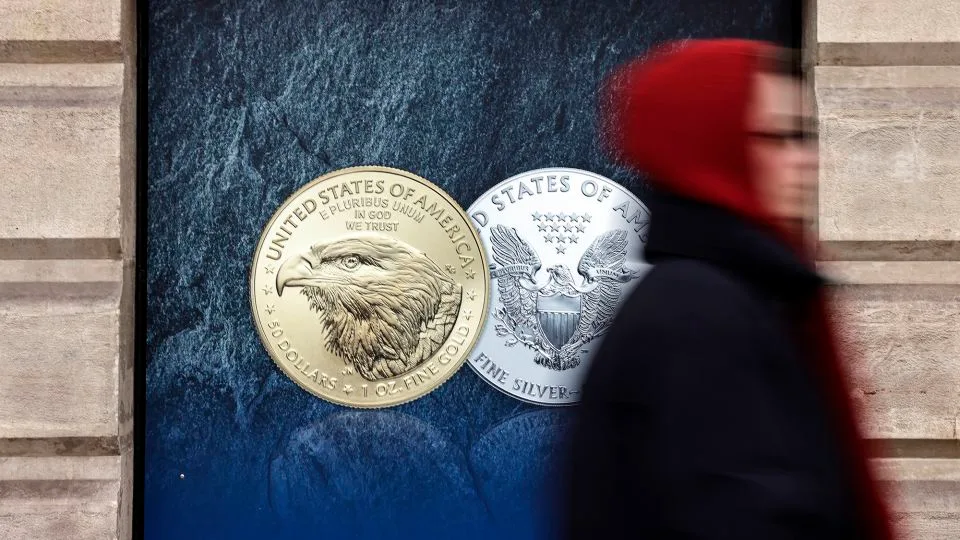
Gold and silver, long viewed as safe havens, have been among the most volatile. Gold surged above $5,550 an ounce last week before plunging 11% on Friday. Silver dropped an even steeper 31%. After briefly sliding below $4,450 on Monday, gold steadied around $4,680, while silver clawed back modest gains. Despite the shock, both metals remain higher for the year.
Bitcoin has also struggled. The world’s largest cryptocurrency, Bitcoin (BTC), fell from above $83,000 over the weekend to as low as $74,570, its lowest level since April, and is still down sharply from its October peak above $126,000. As of Monday afternoon, bitcoin was trading near $78,000.
The turbulence has not been limited to commodities and crypto. In Asia, South Korea’s Kospi index fell 5.26% on Monday, its worst day since April, as investors reassessed technology and chip stocks after massive gains tied to artificial intelligence optimism.
Momentum trades hit a wall
Strategists say the moves share a common theme. Trades that became crowded after outsized gains are now unwinding.
Analysts at Deutsche Bank and Saxo Bank described the precious metals rally as increasingly driven by speculation, leverage and fear of missing out. When prices finally turned, thin liquidity amplified the selloff. Some investors likened the behaviour to meme-stock style trading, but this time in gold, silver, and global tech.
Bitcoin, often pitched as “digital gold,” has not benefited from the same haven demand this year and has lagged amid geopolitical uncertainty and shifting expectations around interest rates.
More about: Gold and Silver Crashed. Here’s What Really Happened and Why It Matters
Fed politics add to the mix
Sentiment also shifted after President Donald Trump confirmed Kevin Warsh as his nominee for Federal Reserve chair. Warsh is widely viewed as more hawkish than other contenders, easing fears of aggressive rate cuts and helping lift the US dollar. A stronger dollar tends to weigh on gold and other commodities.
What investors are watching next
Despite the recent volatility, US stocks began February on a firmer footing. The Dow rose more than 500 points on Monday, while the S&P 500 and Nasdaq both posted moderate gains.
Attention now turns to corporate earnings from major tech names including Alphabet and Amazon, as well as to Warsh’s upcoming confirmation hearings.
Some banks, including Deutsche Bank, are still sticking with bullish long-term calls for gold, arguing that gradual diversification away from dollar assets by large institutions remains intact. For now, though, markets are sending a clear message: even the most popular trades can stumble when enthusiasm runs too far, too fast.
Disclosure: This article does not represent investment advice. The content and materials featured on this page are for educational purposes only.