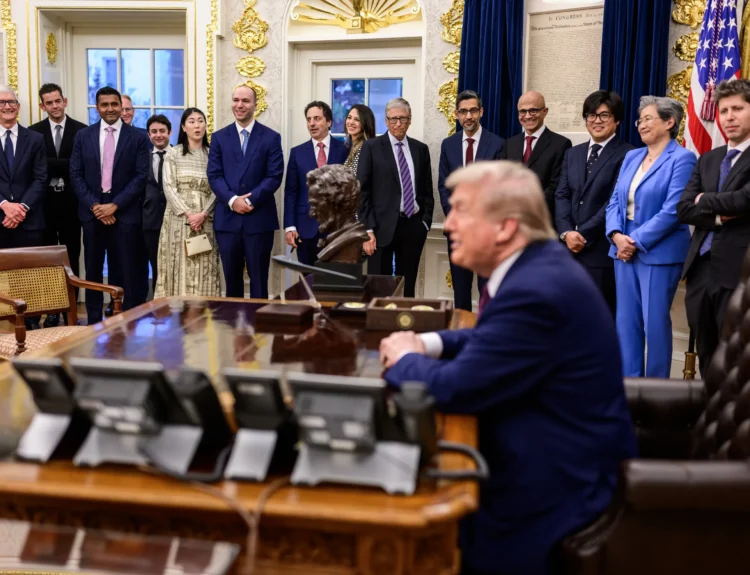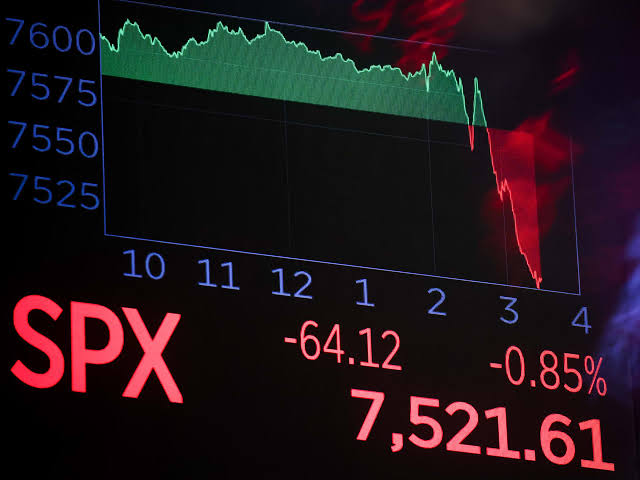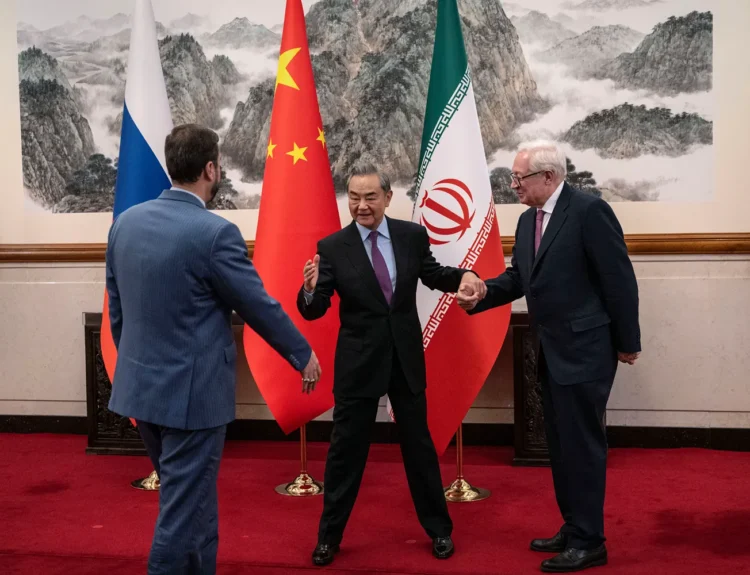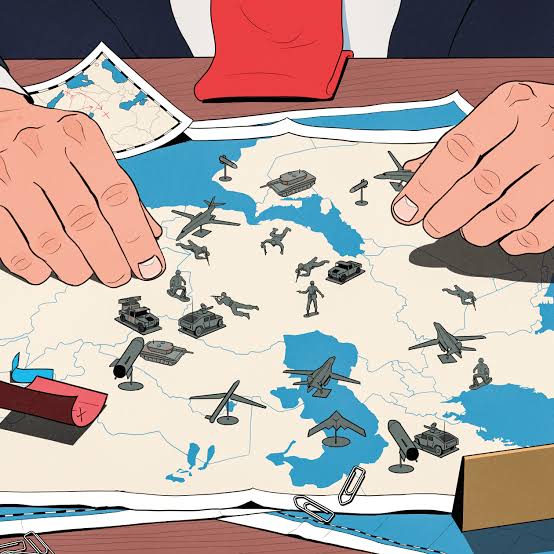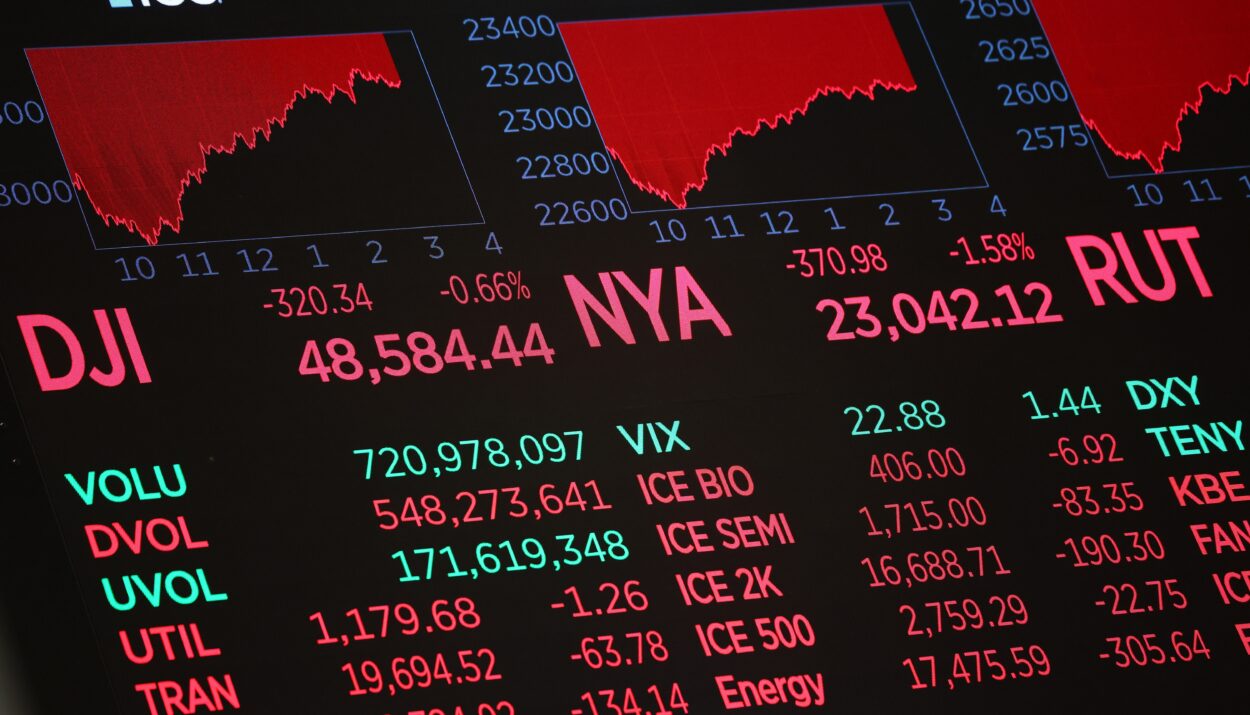

The ongoing Iran conflict has sent markets into a roller-coaster ride, with the S&P 500 first dropping more than 5% in March before rebounding over 11% from its late-March lows. Investors are reacting sharply to every update from Washington, showing just how sensitive markets remain to geopolitical news.
Volatility is back
The pattern has been clear. Markets are moving on headlines, not fundamentals, as uncertainty around the war continues.
This has led many investors to try timing the market, buying and selling based on short-term moves. But experts warn that approach rarely works.
What history shows
Despite the current turbulence, history offers a different perspective. Markets have gone through:
- Major wars
- Economic crises
- Global pandemics
And yet, over time, the trend has remained largely upward. That’s why many analysts argue the biggest mistake investors make is reacting emotionally to short-term volatility.
The strategy that works
Instead of chasing market moves, experienced investors tend to follow a simple rule: Stay invested and stay consistent.
One popular approach is dollar-cost averaging, where investors put money into the market regularly, regardless of conditions. This strategy reduces the risk of buying at the wrong time and helps smooth out volatility.
The Iran war is creating uncertainty, but not a new rulebook for investing. Short-term swings are unavoidable, especially during geopolitical crises.
But the long-term principle remains unchanged: Time in the market still matters more than timing the market.
Disclosure: This article does not represent investment advice. The content and materials featured on this page are for educational purposes only.
Related: ETFs vs Mutual Funds: What Investors Need to Know in 2026