
Iran has reportedly rejected participation in the next round of talks with the US in Pakistan, just hours before the ceasefire deadline, throwing fresh uncertainty over diplomatic efforts.
Tehran communicated its decision to Washington through Pakistan, with reports suggesting the move is final for now.
Why Iran pulled back
The main issue is pressure. Iranian officials say the US has violated the ceasefire repeatedly, pointing specifically to the naval blockade in the Strait of Hormuz, which they describe as an “act of war.”
Foreign Minister Abbas Araghchi warned: “Blockading Iranian ports is an act of war and thus a violation of the ceasefire.”
At the same time, Iran has made its position clear: No negotiations under threats.
Officials say talks could only resume if the US eases pressure, especially by lifting the blockade.
Talks now in doubt
The fallout is already visible.
- The US delegation’s trip to Islamabad has been put on hold
- Mediators in Pakistan are scrambling to keep talks alive
- No clear confirmation has come from Tehran about future participation
Even the first round of negotiations earlier this month ended without a breakthrough.
A growing standoff
Both sides are holding firm.
- The US insists the blockade will remain until a deal is reached
- Iran says the blockade must be lifted before talks can continue
That creates a deadlock, with each side demanding concessions first.
Diplomacy is stalling at a critical moment. The ceasefire has been extended, but without progress in talks, the risk of escalation is rising again.
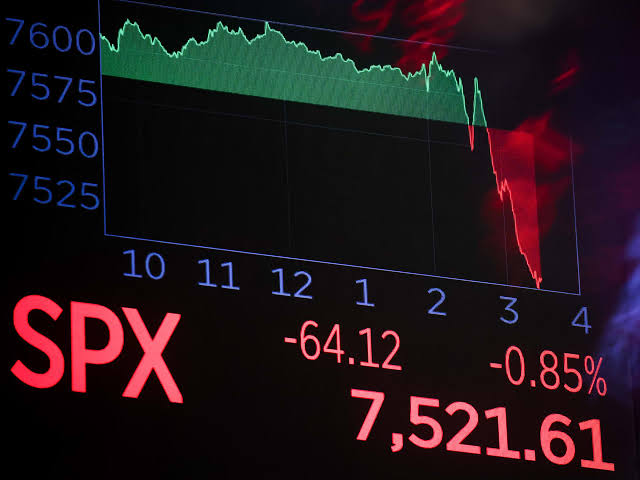
For markets and global stability, the message is clear: This conflict is paused, not resolved.
Disclosure: This article does not represent investment advice. The content and materials featured on this page are for educational purposes only.
Related: Strait of Hormuz Reopens, Easing Global Energy Fears