
High interest rates are quietly driving up everyday costs, and a leadership shift at the Fed could decide what happens next.
When it comes to affordability, the Federal Reserve plays a bigger role than most people realise. It doesn’t set the price of homes, cars, or groceries directly, but it controls how expensive it is to borrow money, and right now, that cost is still high.
Why life still feels expensive
Even though inflation has slowed, many households are still under pressure. That’s because:
- Mortgage payments are higher
- Car loans cost more each month
- Credit card interest remains elevated
In simple terms, you’re not paying more for the product; you’re paying more to finance it. This effect is especially visible in housing and autos, where borrowing costs can add hundreds of dollars monthly, even if prices stay flat.
Why this is becoming political
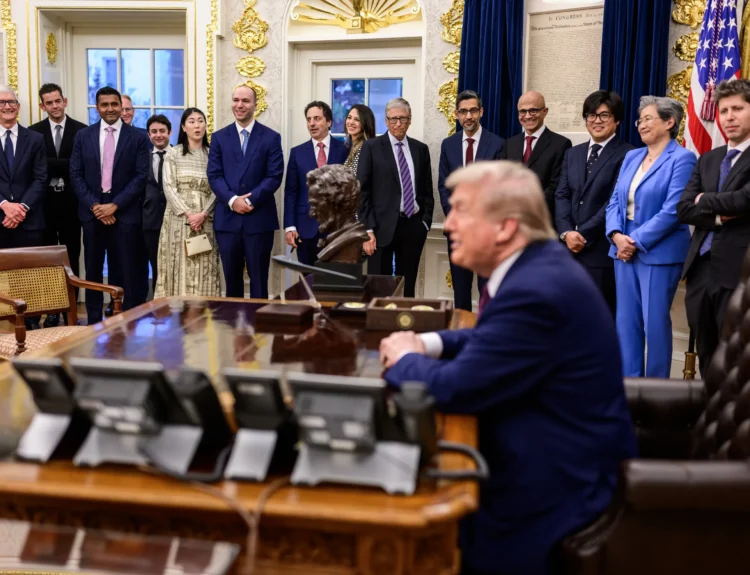
The issue is turning into a challenge for President Donald Trump. He campaigned on improving affordability, but with borrowing costs still high, many voters feel financial relief hasn’t arrived yet.
Now, attention is shifting to who controls the next move.
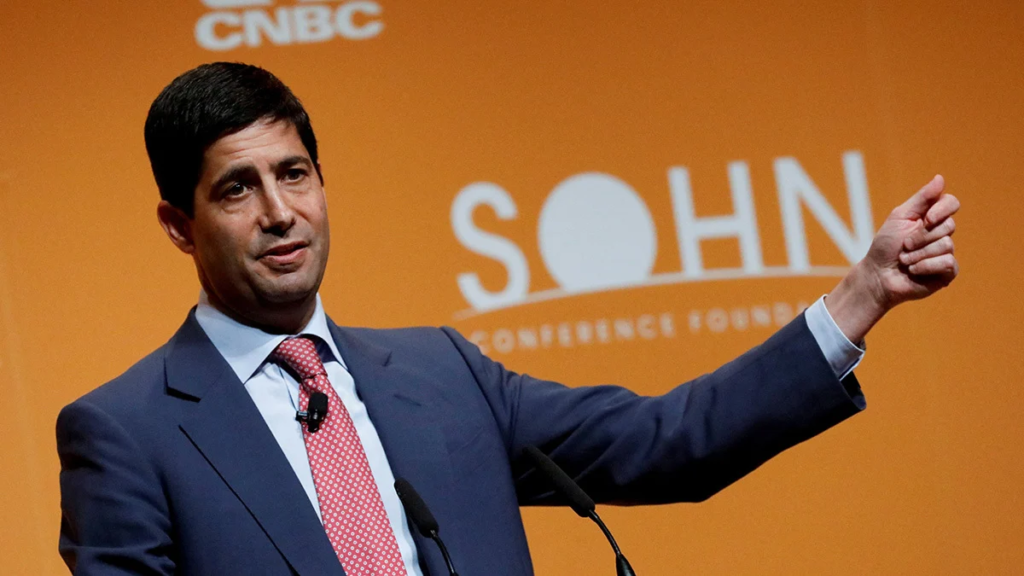
All eyes on Kevin Warsh
Trump’s nominee to lead the Fed, Kevin Warsh, is heading into a key confirmation hearing. His potential leadership comes at a complicated moment:
- Pressure to cut interest rates is rising
- The Fed’s independence is under scrutiny
- A legal probe involving current Chair Jerome Powell adds uncertainty
Some lawmakers are already signaling resistance, making the outcome unclear.
What could change next
Trump has been pushing for lower interest rates, arguing they would ease pressure on households. But the situation isn’t simple. Rising oil prices tied to the Iran conflict are bringing back inflation risks, which could force the Fed to stay cautious.
That creates a tension:
- Lower rates would help consumers
- But cutting too fast could reignite inflation
The Fed isn’t just a financial institution, it directly shapes how affordable your life feels. Right now, Americans are stuck in a difficult spot:
Inflation is slowing, but borrowing is still expensive. And with a possible leadership change ahead, the direction of interest rates and your monthly costs could soon shift.
Disclosure: This article does not represent investment advice. The content and materials featured on this page are for educational purposes only.