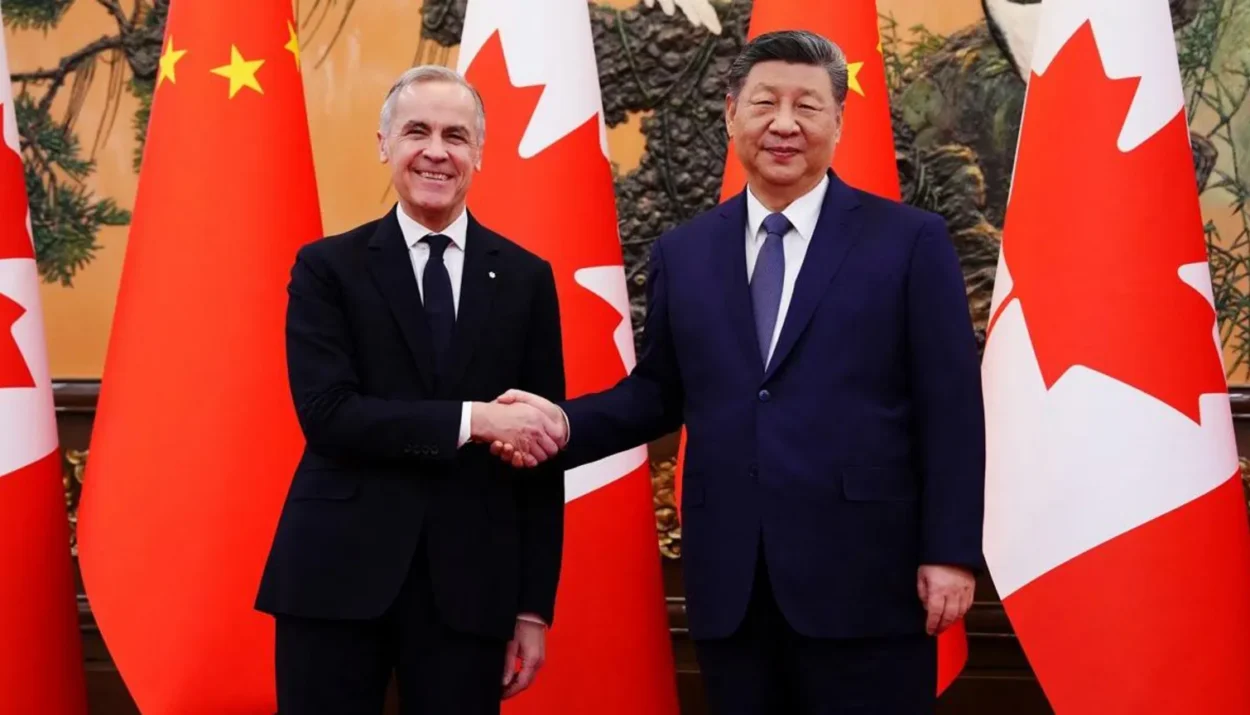

China and Canada announced a significant easing of tariffs following high-level talks in Beijing between Chinese President Xi Jinping and Canadian Prime Minister Mark Carney, marking a reset in relations after years of trade tensions.
Under the agreement, China is expected to cut tariffs on Canadian canola oil to 15% from 85% by March 1, while Canada will allow 49,000 Chinese electric vehicles to enter its market at the most-favoured-nation tariff rate of 6.1%, down from 100%.
Carney said the deal reflects a more predictable and pragmatic phase in bilateral ties, while making clear that Ottawa still has firm red lines on issues such as human rights, election interference, and security concerns. Xi described the outcome as a “turnaround” that supports stability and prosperity amid global uncertainty.
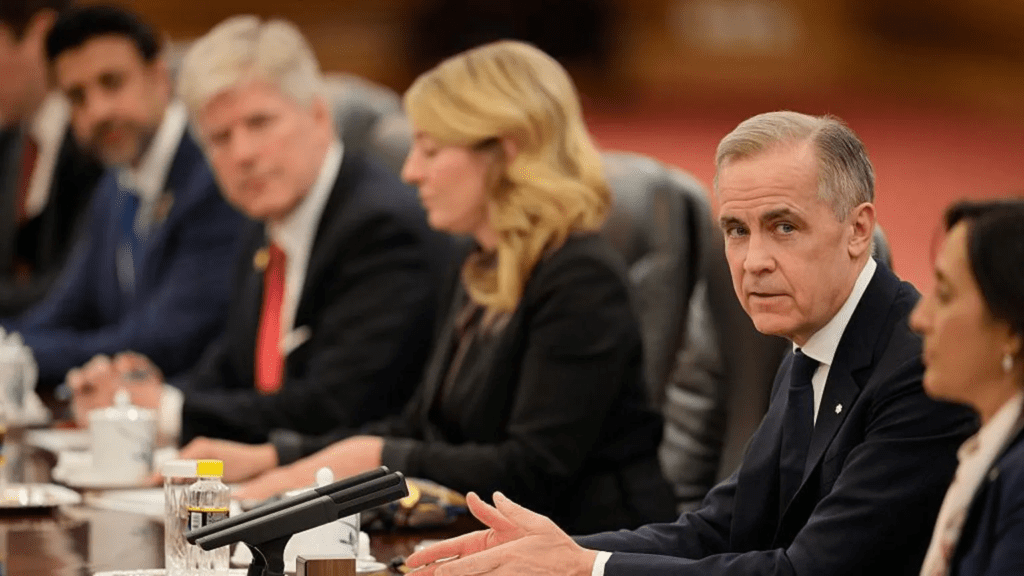
The agreement also includes reduced tariffs on other Canadian exports such as lobsters, crabs, and peas. Canola futures rose after the announcement, signalling relief for Canadian farmers who have faced restricted access to the Chinese market since retaliatory tariffs were imposed in 2024.
Carney’s visit, the first by a Canadian leader in nearly a decade, comes as Canada seeks to diversify trade away from the US following tariff uncertainty under President Donald Trump. Analysts say the deal could pave the way for renewed Chinese investment in Canada, though cooperation is expected to remain focused and selective.
Officials on both sides framed the agreement as a cautious but meaningful step toward stabilizing a relationship that has been strained since 2018, when diplomatic ties deteriorated over arrests and reciprocal detentions.
Disclosure: This article does not represent investment advice. The content and materials featured on this page are for educational purposes only.