
America’s largest banks are pushing back hard against President Donald Trump’s proposal to cap credit card interest rates at 10% for one year, warning the move could restrict credit, hurt lower-income consumers, and trigger a broader economic slowdown.
Executives from JPMorgan Chase, Citigroup, Bank of America, and Wells Fargo all criticized the proposal during earnings calls this week, even as they acknowledged affordability pressures on consumers.
“An interest rate cap is not something that we would or could support,” said Citigroup CFO Mark Mason, warning it would likely result in a “significant slowdown in the economy.”
Bank of America CEO Brian Moynihan said lower caps would mean less available credit and fewer consumers qualifying for cards, undermining the policy’s goal.
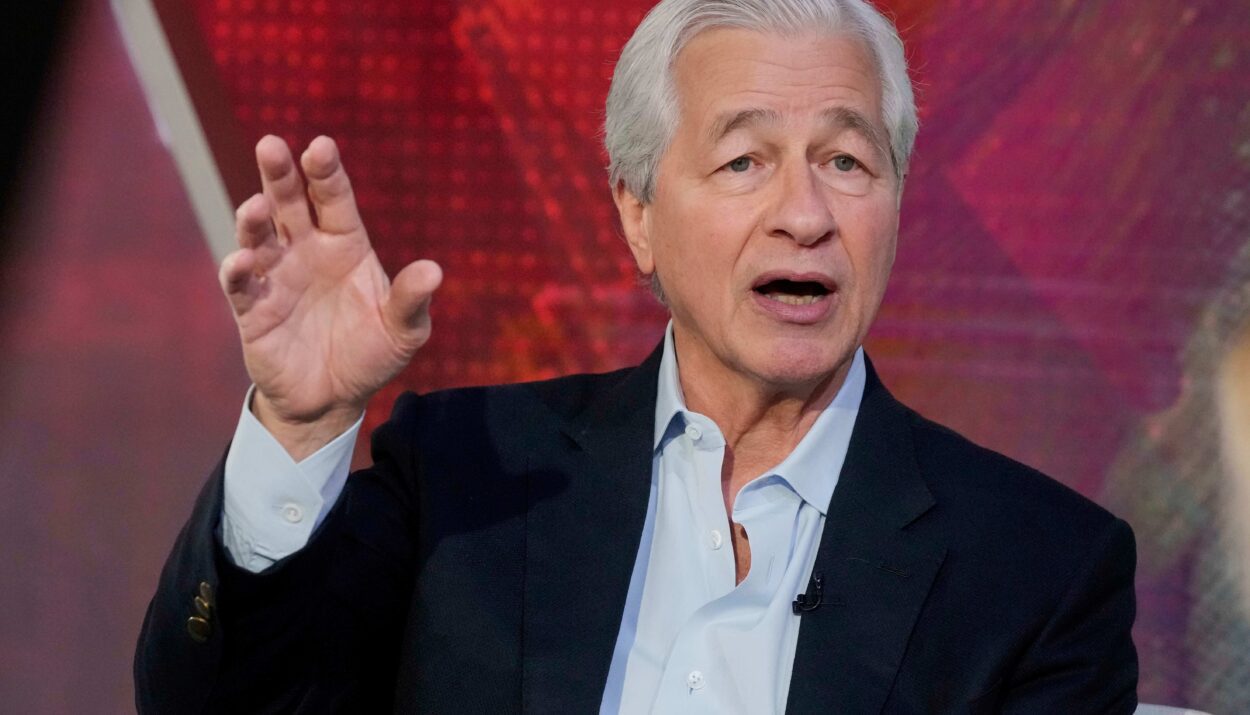
JPMorgan CEO Jamie Dimon warned the impact would be “dramatic” for subprime borrowers, while Wells Fargo CEO Charles Scharf said banks are aligned on affordability but skeptical the cap is the right solution.
Market and earnings impact
Bank stocks have fallen 5% to 8% over the past week amid the debate. Analysts estimate a one-year cap could cut large bank pre-tax earnings by 5% to 18%, while potentially wiping out profits at card-focused lenders like Capital One and Synchrony Financial.
Trump has said banks that do not comply by January 20 would be in violation, though it remains unclear whether the cap would require legislation or executive action.
For now, Wall Street’s message is clear. While banks agree affordability is a real problem, they argue that blunt rate caps risk shrinking credit access and slowing the US economy rather than helping the consumers most under pressure.
Disclosure: This article does not represent investment advice. The content and materials featured on this page are for educational purposes only.
Related: Wall Street Warns Trump’s Credit Card Cap Could Trigger Financial Crisis