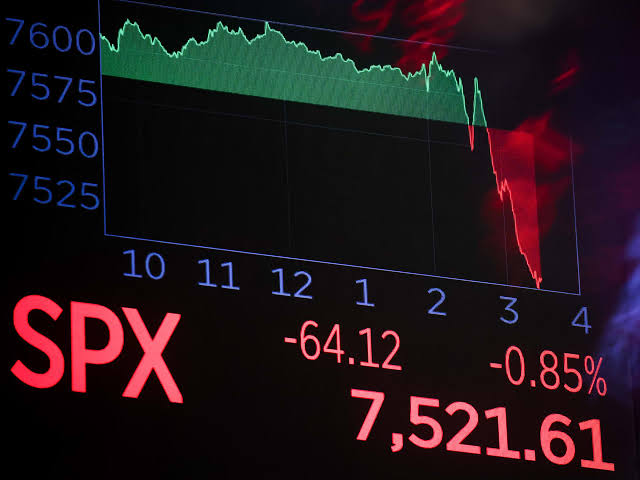

Every experienced investor reaches a point where balancing risk and reward becomes more than just a guideline—it is the core of every financial choice. In a world where markets can turn on a dime, understanding how your mind weighs uncertainty and opportunity is key to long-term growth. Backed by research from Harvard Medical School, the human brain naturally uses detailed mental maps to evaluate reward potential and risk exposure. Gaining clarity on this delicate balance lays the groundwork for better portfolio decisions and smarter wealth creation.
Table of Contents
- Balancing Risk and Reward Defined
- Types of Investment Risks and Rewards
- Determining Your Personal Risk Tolerance
- Role of Asset Allocation and Diversification
- Practical Strategies for Market Volatility
- Common Pitfalls and How to Avoid Them
Key Takeaways
| Point | Details |
|---|---|
| Understanding Risk-Reward Balance | Investors should strategically allocate their investments to maximize returns while minimizing losses, recognizing that higher returns typically come with greater risks. |
| Personal Risk Tolerance Assessment | Assessing individual risk tolerance is essential for effective investing; factors like age, income stability, and emotional resilience play crucial roles. |
| Importance of Diversification | A diversified portfolio reduces overall risk by spreading investments across different asset classes, sectors, and geographic regions. |
| Managing Market Volatility | Employ strategies such as dollar-cost averaging and maintaining an emergency fund to navigate market fluctuations effectively. |
Balancing Risk and Reward Defined
Understanding portfolio management requires a deep comprehension of how risk and reward dynamically interact in financial decision making. At its core, balancing risk and reward means strategically allocating investments to maximize potential returns while minimizing potential losses. Researchers have discovered that humans inherently use sophisticated mental models when evaluating potential outcomes, with brain circuitry supporting nuanced reward assessment.
The fundamental principle underlying risk and reward is that higher potential returns typically correspond with greater investment uncertainty. Investors must recognize that no investment is completely risk-free, and each financial opportunity represents a unique combination of potential gains and potential losses. Interestingly, psychological studies reveal that people inherently use an internalized heuristic where riskier options with potentially higher rewards are mentally processed through complex probabilistic calculations.
Effective risk management involves understanding your personal risk tolerance, analyzing historical market performance, and developing a diversified investment strategy that aligns with your financial goals. This means spreading investments across different asset classes, sectors, and geographic regions to reduce overall portfolio volatility. Risk-reward trade-offs influence probability estimation and can significantly impact long-term investment outcomes.
Pro tip: Create a personal risk profile by honestly assessing your financial comfort level, investment timeline, and emotional capacity for market fluctuations before making significant investment decisions.
Types of Investment Risks and Rewards
Investors must understand the complex landscape of investment risks to make informed financial decisions. Investment risks encompass multiple dimensions that can significantly impact portfolio performance. These risks range from market volatility to specific economic factors that can potentially erode investment value or limit potential returns.
The primary types of investment risks include market risk, which reflects broader economic fluctuations that affect entire markets; business risk, which relates to specific company performance; and political risk, involving potential disruptions from governmental or geopolitical events. Concentration risk emerges when investments are overly focused in a single sector or asset class, while currency risk impacts international investments through exchange rate fluctuations. Different investment products carry unique risk profiles that require careful evaluation and strategic planning.

Understanding reward potential is equally crucial in risk management. Historically, higher-risk investments like stocks have generated greater average returns compared to more conservative assets such as bonds or certificates of deposit. However, this relationship is not guaranteed, and investors must carefully assess their personal risk tolerance, financial goals, and investment timeline. Diversification remains a fundamental strategy for balancing potential risks and rewards across various investment vehicles.
Here is a summary of common investment risks and their potential rewards:
| Risk Type | Typical Impact | Potential Reward |
|---|---|---|
| Market Risk | Affects all investments | Higher gains in strong markets |
| Business Risk | Company-specific losses | Higher returns from outperformers |
| Political Risk | Geopolitical disruptions | Access to emerging market growth |
| Concentration Risk | Large losses if sector declines | Outsized profits during sector booms |
| Currency Risk | Losses from exchange rates | Added returns from favorable swings |
Pro tip: Regularly reassess your investment portfolio’s risk composition, aiming to maintain a balanced approach that aligns with your evolving financial objectives and risk tolerance.
Determining Your Personal Risk Tolerance
Understanding your personal risk tolerance is a critical foundation for successful investing. Risk tolerance reflects your psychological and financial capacity to withstand potential investment losses without compromising your overall financial stability. It is not a one-size-fits-all metric, but a nuanced assessment of your individual financial circumstances, emotional resilience, and long-term objectives.
Several key factors influence your risk tolerance. Your age plays a significant role, with younger investors typically able to absorb more market volatility due to longer investment horizons. Income stability, existing financial obligations, and overall wealth also impact your risk appetite. Some investors naturally feel more comfortable with market fluctuations, while others experience significant anxiety during periods of economic uncertainty. Professional assessments and detailed questionnaires can help quantify your specific risk profile, providing insights into whether you are a conservative, moderate, or aggressive investor.
Developing an accurate risk tolerance assessment requires honest self-reflection and a comprehensive understanding of your financial goals. Consider your investment timeline, potential need for liquidity, and emotional response to potential losses. Younger professionals might lean towards higher-risk, growth-oriented strategies, while those closer to retirement may prioritize capital preservation. Remember that risk tolerance is not static – it evolves with changing life circumstances, financial goals, and market conditions.
The following table compares investor risk tolerance categories:
| Risk Profile | Investment Horizon | Typical Strategy |
|---|---|---|
| Conservative | Short to medium term | Focus on capital preservation |
| Moderate | Medium to long term | Balanced growth and safety |
| Aggressive | Long term | Prioritize growth and high returns |
Pro tip: Conduct a comprehensive personal risk assessment annually, updating your investment strategy to align with your current financial situation and long-term objectives.
Role of Asset Allocation and Diversification
Asset allocation and diversification are fundamental strategies for managing investment risk and optimizing portfolio performance. Asset allocation strategically divides investments across different classes like stocks, bonds, and cash, tailored to individual financial goals, risk tolerance, and investment timeline. This approach ensures that your investment strategy reflects your unique financial circumstances and objectives.
Diversification serves as a critical risk management technique by spreading investments across multiple sectors, industries, and geographic regions. The primary goal is to minimize potential losses by preventing overexposure to any single investment or market segment. Effective diversification limits portfolio vulnerability by creating a balanced approach that can help offset potential downturns in specific areas of your investment portfolio. This strategy recognizes that different asset classes often perform differently under various economic conditions, providing a natural hedge against market volatility.
Successful asset allocation and diversification require ongoing management and periodic rebalancing. As market conditions change and personal financial situations evolve, investors must regularly review and adjust their portfolio mix. This might involve shifting asset percentages, exploring new investment opportunities, or reallocating resources to maintain an optimal balance between risk and potential returns. The most effective portfolios are those that remain flexible, adaptive, and aligned with an investor’s changing life circumstances and financial goals.
Pro tip: Create a diversification strategy that includes investments across at least three to five different asset classes, ensuring no single investment represents more than 5-10% of your total portfolio.
Practical Strategies for Market Volatility
Navigating market volatility requires a strategic and proactive approach to investment management. Companies successfully manage volatility through prediction and adaptability, and individual investors can apply similar principles to protect and grow their portfolios. Recognizing that market fluctuations are an inherent part of investing allows you to develop resilient strategies that can withstand economic uncertainties.
Key strategies for managing market volatility include maintaining a diversified portfolio, establishing clear investment goals, and avoiding emotional decision-making. Dollar-cost averaging provides a disciplined approach by investing consistent amounts at regular intervals, which helps mitigate the impact of market timing and reduces the risk of making impulsive investment choices during periods of heightened uncertainty. Maintaining an emergency fund and keeping a portion of your portfolio in more stable assets can provide additional financial cushioning during turbulent market conditions.
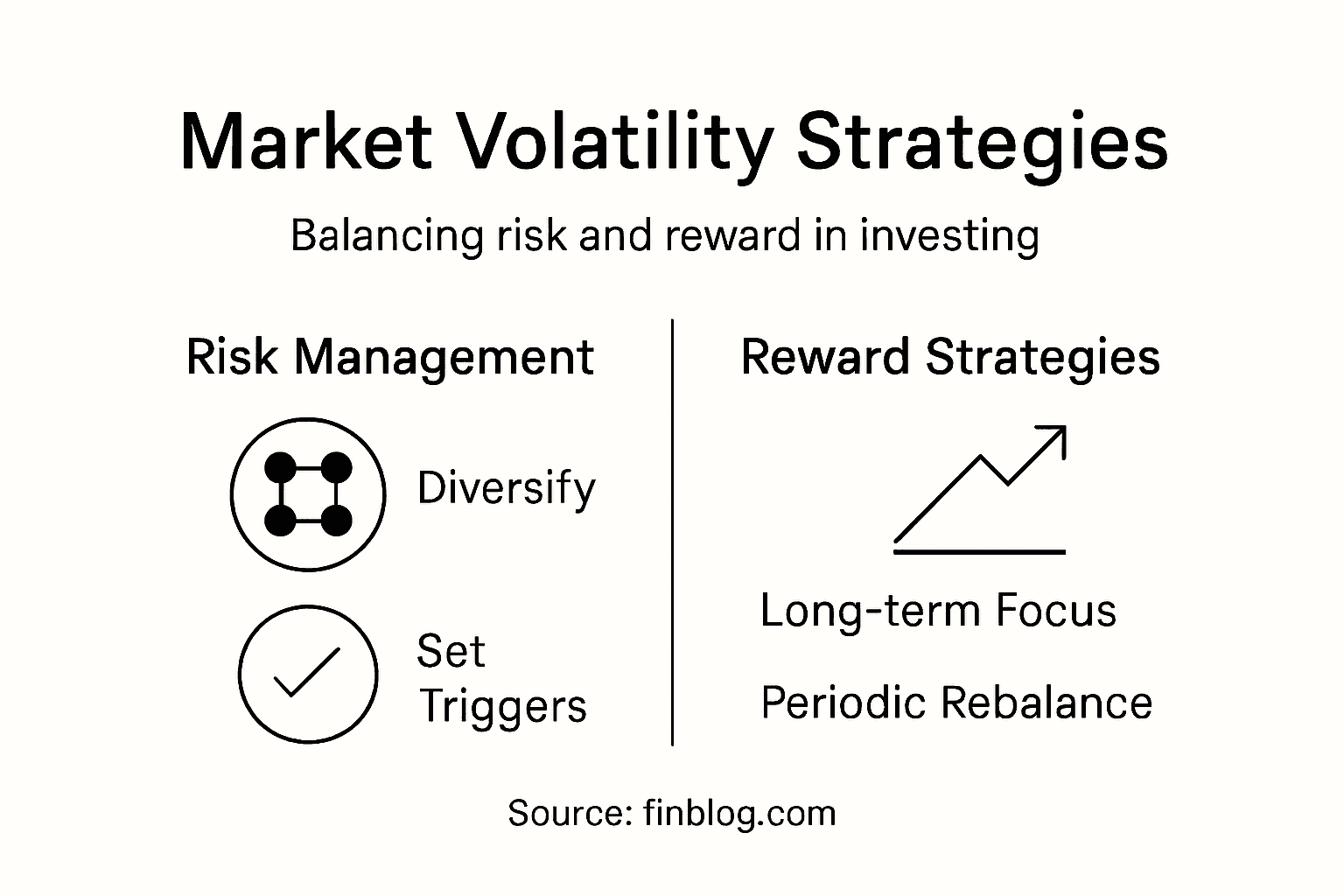
Regulatory guardrails help moderate extreme market fluctuations, and investors can adopt similar protective mechanisms in their personal investment strategies. This might involve setting predetermined thresholds for buying or selling assets, using stop-loss orders to limit potential losses, and regularly rebalancing your portfolio to maintain your desired asset allocation. Continuous learning and staying informed about market trends, economic indicators, and potential disruptions can help you make more educated investment decisions.
Pro tip: Create a comprehensive investment plan that includes specific triggers for portfolio adjustments, ensuring you can respond rationally to market changes without making reactive, emotion-driven decisions.
Common Pitfalls and How to Avoid Them
Investors frequently encounter psychological and strategic traps that can significantly undermine their financial decision-making. Common decision-making pitfalls include cognitive biases that distort rational thinking and lead to suboptimal investment choices. These biases often emerge unconsciously, causing investors to make emotional rather than analytical decisions that can erode portfolio performance.
Some of the most critical investment pitfalls include status quo bias, where investors resist changing their current strategy even when evidence suggests they should; anchoring, which involves fixating on initial information or past performance; and the sunk cost fallacy, where investors continue supporting losing investments to avoid acknowledging previous mistakes. Confirmation bias represents another significant risk, causing investors to seek out information that supports their existing beliefs while ignoring contradictory evidence that might challenge their investment assumptions.
Effective risk assessment requires comprehensive identification processes and disciplined strategic thinking. Mitigating these pitfalls demands a systematic approach that includes regularly reviewing investment strategies, maintaining emotional detachment, diversifying portfolios, and establishing clear, objective criteria for investment decisions. Developing a structured decision-making framework that prioritizes data-driven analysis over emotional impulses can help investors navigate complex financial landscapes more effectively.
Pro tip: Implement a 48-hour cooling-off period before making any significant investment decisions, allowing time for rational analysis and reducing the impact of emotional or impulsive choices.
Take Control of Your Portfolio Risk and Reward Today
Understanding how to balance risk and reward is the key challenge highlighted in this article. You learned about crucial concepts such as personal risk tolerance, asset allocation, diversification, and the pitfalls that can derail your financial decisions. The emotional weight of navigating market volatility and maintaining discipline can feel overwhelming without expert guidance.
At finblog.com, we specialize in helping investors like you transform these challenges into opportunities. Our tailored financial consulting services help you define your unique risk profile, build a diversified portfolio that aligns with your goals, and adopt practical strategies for managing market uncertainty. With professional insights and a clear step-by-step approach, you can avoid common decision-making mistakes and confidently pursue smarter portfolio decisions.
Ready to make informed investment choices that balance risk with reward effectively? Visit finblog.com now to start your personalized consultation. Take advantage of expert guidance designed to secure your financial future and bring clarity to complex investment strategies. Don’t wait let us help you turn knowledge into action today.
Frequently Asked Questions
What is the relationship between risk and reward in investing?
The relationship between risk and reward in investing is that typically, higher potential returns correspond with greater investment uncertainty. Understanding this balance is crucial for developing an effective investment strategy.
How do I determine my personal risk tolerance?
You can determine your personal risk tolerance by assessing factors such as your age, income stability, financial obligations, and emotional resilience towards market fluctuations. Professional assessments and detailed questionnaires can also help quantify your risk profile.
What are some common types of investment risks?
Common types of investment risks include market risk, business risk, political risk, concentration risk, and currency risk. Each risk type can significantly impact the performance of your portfolio and should be carefully evaluated.
How can asset allocation and diversification help manage investment risk?
Asset allocation and diversification help manage investment risk by spreading your investments across different asset classes, sectors, and geographic regions, reducing overall portfolio volatility and minimizing potential losses during market downturns.
Recommended
- Master Building an Investment Portfolio for Profits – Finblog
- Portfolio Risk Explained: Why It Matters for Investors – Finblog
- Balancing Risk and Return: Strategies for Volatile Markets – Finblog
- 7 Safe Investment Options for Your Financial Future – Finblog
- Secure Your Online Business: E-commerce Risk Mitigation Software Solutions – WISMOlabs