
Iran has proposed reopening the Strait of Hormuz and restarting nuclear negotiations under a seven-day plan, but reports that Donald Trump rejected the offer have cast doubt on a breakthrough.
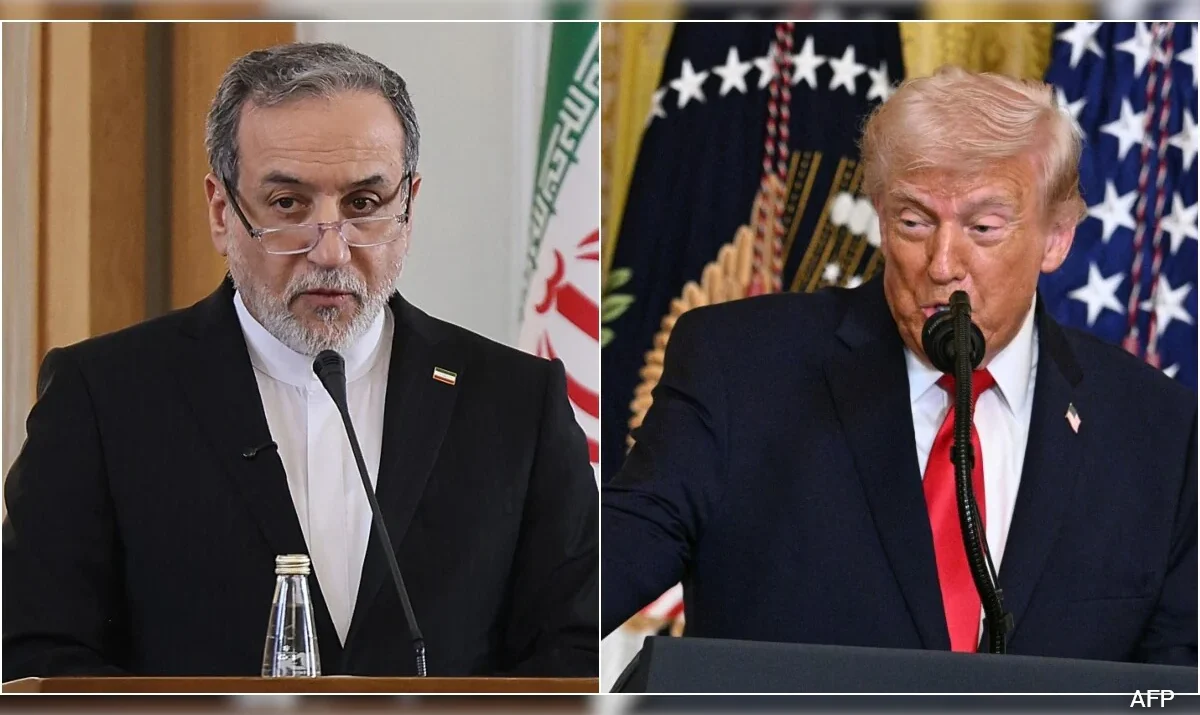
Tehran was still awaiting an official US response on September 26, according to Reuters, following a Wall Street Journal report that Trump had turned down the proposal.
What Iran Wants
The proposal links an end to hostilities and the reopening of Hormuz to several US concessions:
- Releasing frozen Iranian assets.
- Waiving sanctions on Iranian oil sales.
- Lifting the naval blockade of Iranian ports.
- Observing a ceasefire that includes Lebanon.
Foreign Minister Abbas Araghchi outlined the plan during the UN General Assembly in New York. The proposal would also restart negotiations over Iran’s nuclear programme, according to reporting citing the Associated Press.
The seven-day timetable depends on an agreement. It is not a confirmed reopening date.
Related: Why Trump’s War Hasn’t Broken Iran’s Economy.
Washington’s Response Remains Unsettled
A US official had earlier described discussions through mediators as “positive and constructive.”
However, the subsequent report of Trump’s rejection suggests substantial differences remain. Encouraging descriptions of talks have not produced an accepted deal.
Why Markets Are Watching
Restoring reliable passage through Hormuz could ease pressure on oil supplies, tanker availability and transport costs. That could eventually help businesses and households facing expensive fuel.
But the economic benefits depend on an agreement being implemented and shipping companies being confident that vessels can travel safely.
Related: Rising Fuel Costs Reshape Politics as Voters Demand Relief.
Iran has offered a timetable, but Washington has not publicly accepted it. Until diplomacy produces concrete commitments, relief for energy markets remains uncertain.