

The economy is holding up, but the conditions supporting markets are changing. Inflation, rising interest rates and expensive technology stocks are creating a tougher backdrop, while overlooked bonds are starting to attract a second look.
That is the central message of Callum Thomas’s September 22 market update for Topdown Charts. His analysis suggests investors should pay closer attention to what could change as 2027 approaches.
Strong Growth Has a Complication
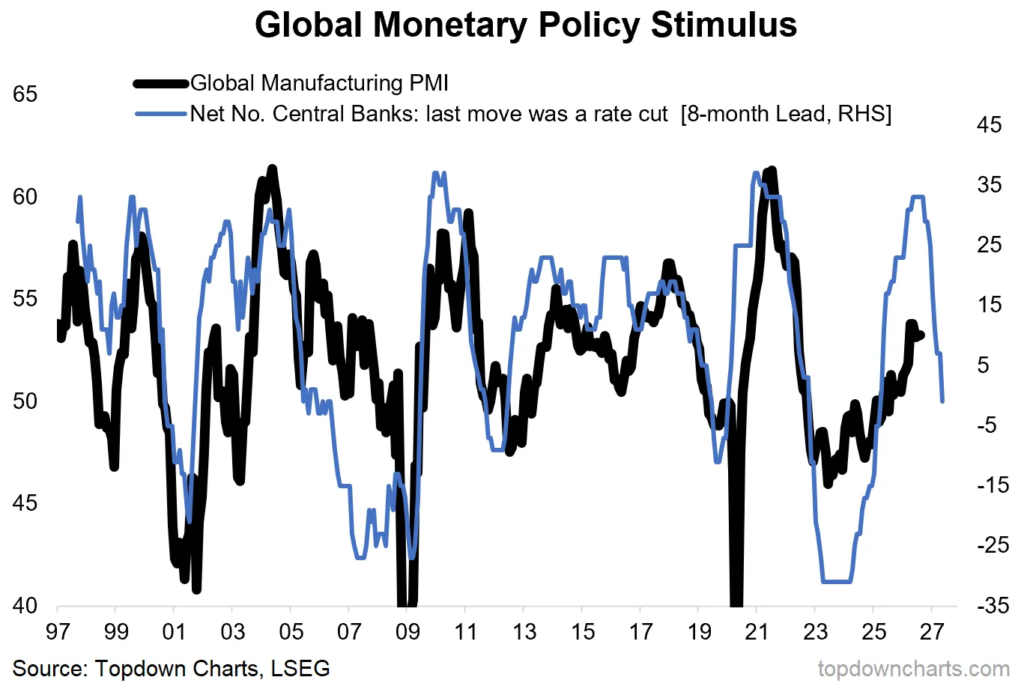
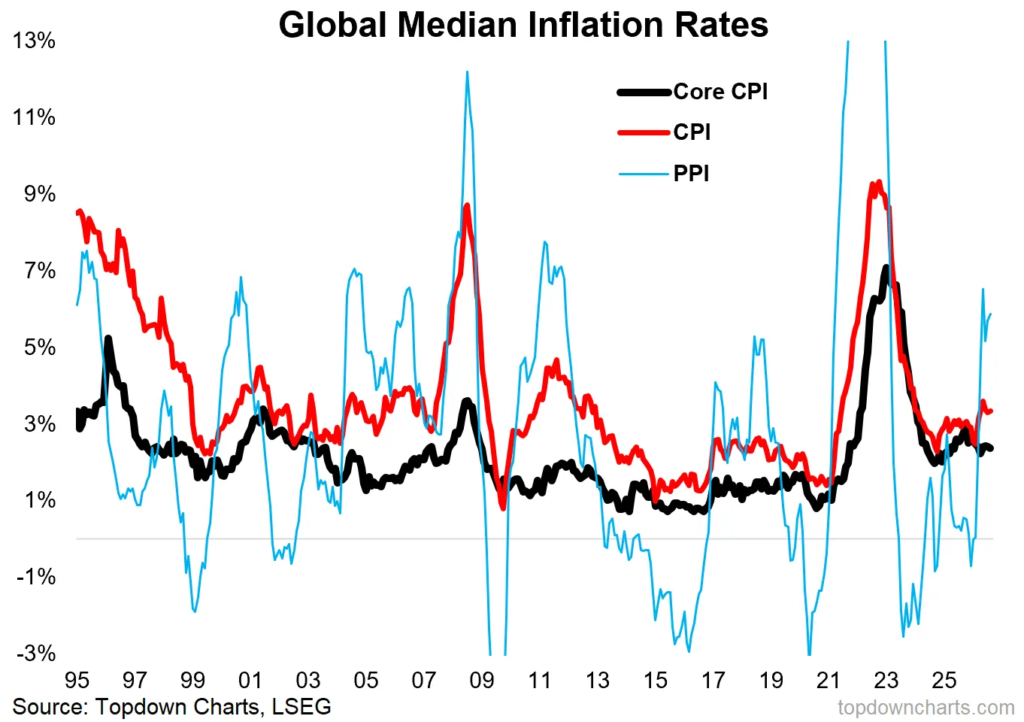
Thomas argues that earlier monetary easing helped the global economy regain momentum. But renewed inflation and a shift toward higher interest rates could weaken that support next year.
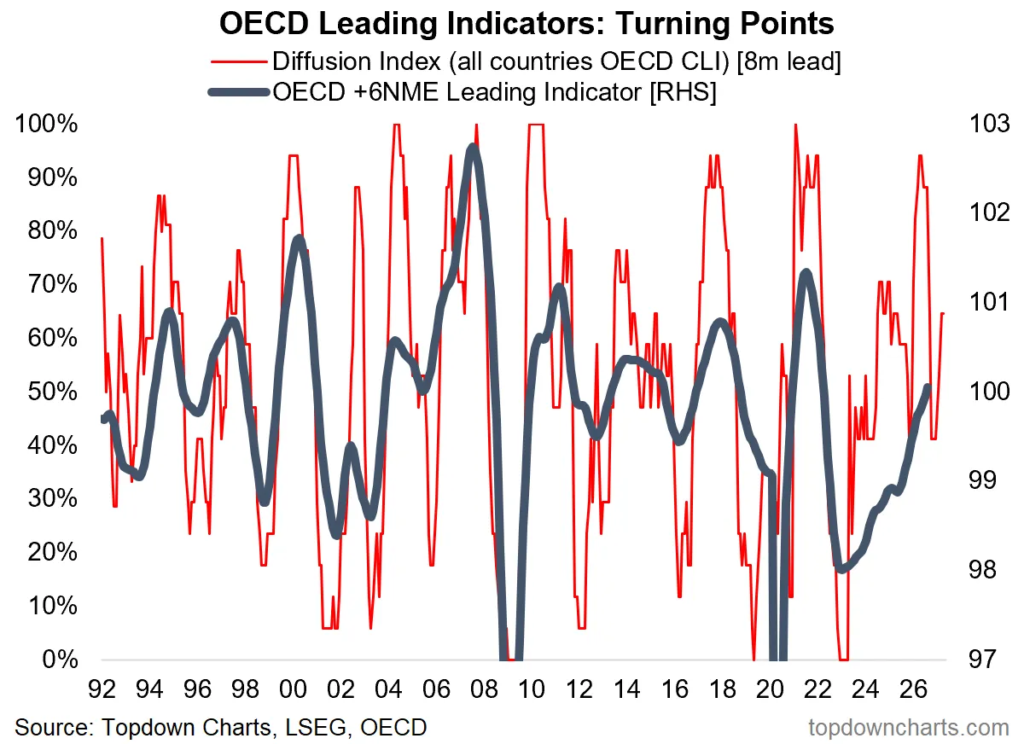
The effects take time. Higher borrowing costs gradually make mortgages, business loans and new investment more expensive. An economy can therefore look resilient today while pressure builds beneath the surface.
That also explains why strong economic news can produce an uncomfortable market reaction. Growth supports company earnings, but persistent inflation can keep interest rates higher.
Related: Fed Raises Rates for the First Time Since 2023 as Inflation Persists.
How Much Optimism Is Already Priced In?
Thomas’s charts show technology shares trading at relative valuation premiums near 20-year highs, while defensive sectors trade at unusually deep relative discounts. He also highlights record household allocations to equities.
His assessment is blunt:
“This is what you see at the later stages of the cycle.”
That is his interpretation, not a timetable for a crash. Expensive shares can keep rising if earnings exceed expectations.
But a strong business and an attractive investment are different things. When a share price already assumes exceptional growth, even solid results may disappoint. Defensive businesses, whose demand tends to fluctuate less with the economy, could attract interest if investors become more cautious.
Commodities Tell Another Part of the Story
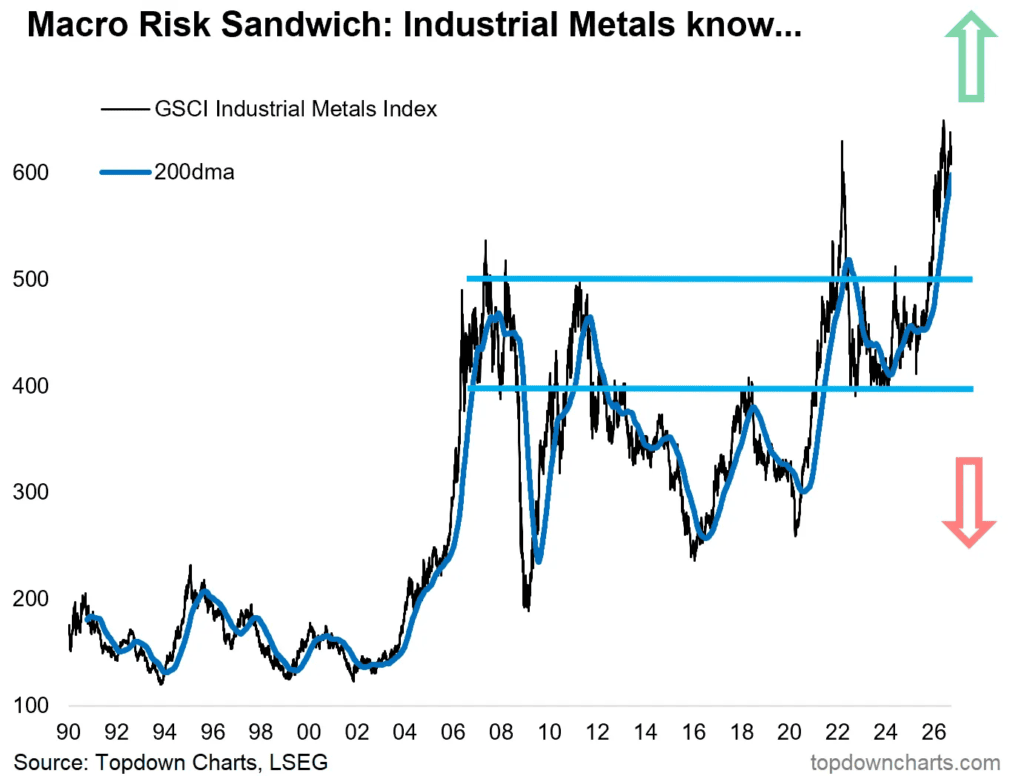
Thomas sees industrial metals benefiting from resilient growth and investment in electrification, AI infrastructure and other capital-intensive industries.
He argues that market leadership has broadened beyond precious metals toward other commodities. However, he has become neutral on emerging-market equities, citing a less favourable balance of valuations, sentiment and market signals after their rally.
For readers, the useful distinction is that rising commodity prices can support producers while increasing costs for businesses that consume those materials.
Could Unpopular Bonds Have Their Turn?
Thomas also highlights bond allocations near 20-year lows and increasingly attractive valuations.
Bonds could benefit if growth weakens and interest rates fall. However, long-term bonds can suffer substantial price declines if inflation persists and yields keep rising. Their potential defensive role depends on what causes the next market downturn.
Related: Warsh Says Inflation Is “Too High” as Fed Raises Rates.
The question is whether portfolios built around yesterday’s strongest performers can handle tomorrow’s conditions. Expensive stocks may keep delivering, but rising rates and changing valuations give investors a reason to look beyond the familiar winners.
Disclosure: This article does not represent investment advice. The content and materials featured on this page are for educational purposes only.