
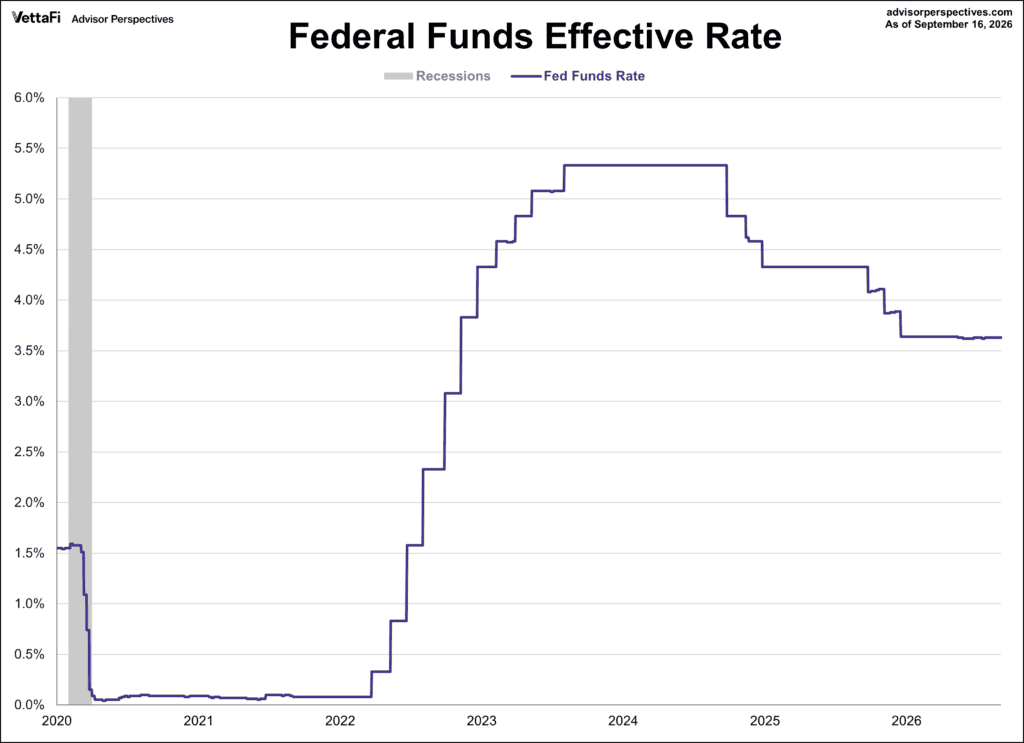
The Federal Reserve raised interest rates by a quarter of a percentage point on September 16, lifting its benchmark range to 3.75%–4.00% as persistent inflation outweighed pressure from Donald Trump for cuts.
The decision passed 12–0, according to the Fed’s official statement. Policymakers said the economy continued to expand steadily, with resilient spending, strong investment and little change in unemployment.
Warsh Says Inflation Has Stayed Too High
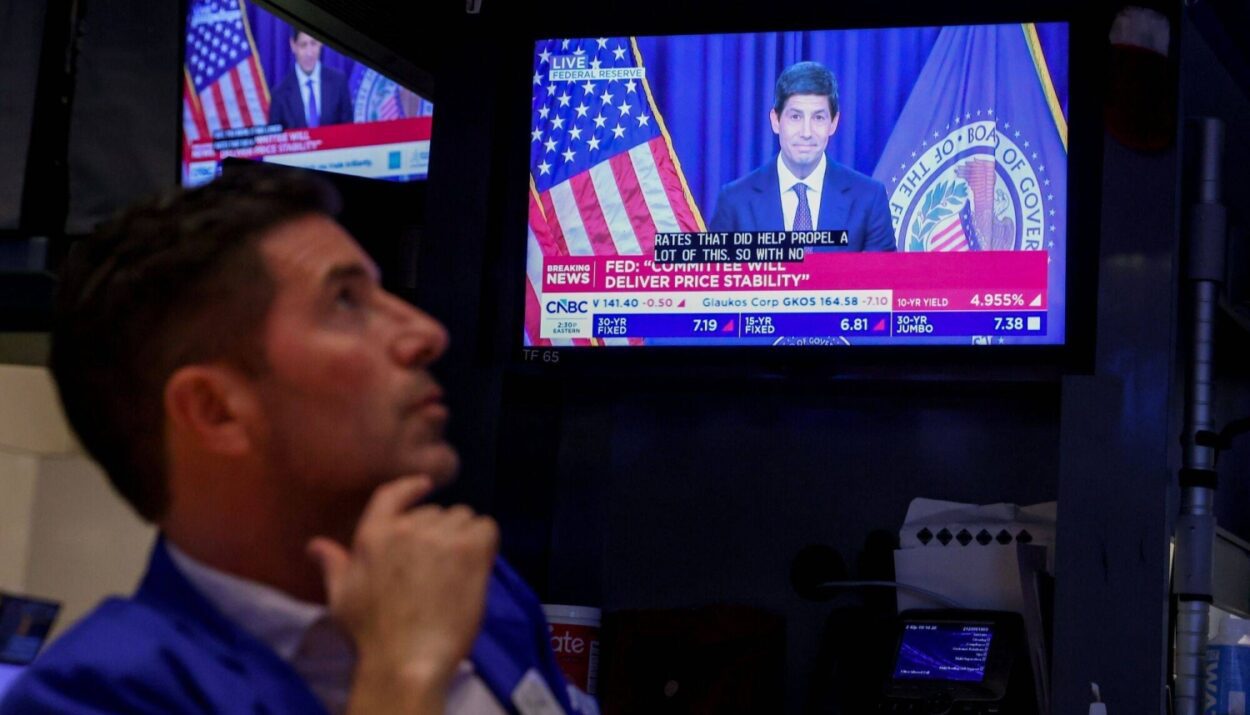
Fed Chair Kevin Warsh said recent inflation readings had not shown enough improvement.
“The plain fact is that inflation is too high and has been for too long,” he told reporters, according to the Financial Times.
The Fed said the increase should help bring inflation back toward its 2% target. Higher borrowing costs are intended to cool demand and reduce price pressures, though they also make financing more expensive for households and businesses.
Related: CPI Report: August Inflation Stays High, Putting Fed Rate Hike in Focus
Stocks Fall as Markets Look for More Hikes
The Dow fell 631 points, or 1.21%, while the S&P 500 lost 0.45% and the Nasdaq slipped 0.01% on September 16. The 10-year Treasury yield reached 5.003%, according to The Wall Street Journal.
The Journal reported that 12 of 18 Fed officials projected one more increase by year-end. Those forecasts indicate policymakers’ expectations, rather than a binding decision.
Related: Warsh Says Inflation Is “Too High” as Fed Raises Rates
Borrowing Costs Are Already Moving Higher
Major banks, including JPMorgan, Bank of America, Citigroup and Wells Fargo, announced that their prime lending rate would rise from 6.75% to 7%, effective September 17.
That can increase costs on variable-rate credit cards and business loans tied to the benchmark.
The expected hike is now a reality. Borrowers face higher costs, while investors must weigh the possibility of another increase before year-end. The next inflation reports will help determine whether the Fed needs to go further.
Disclosure: This article does not represent investment advice. The content and materials featured on this page are for educational purposes only.