
The US is launching a much broader economic campaign (‘economic D-Day’) against Iran, threatening penalties not only against Tehran but also against countries that continue doing business with it. But Iran’s deep trade relationships could make the strategy difficult to enforce.
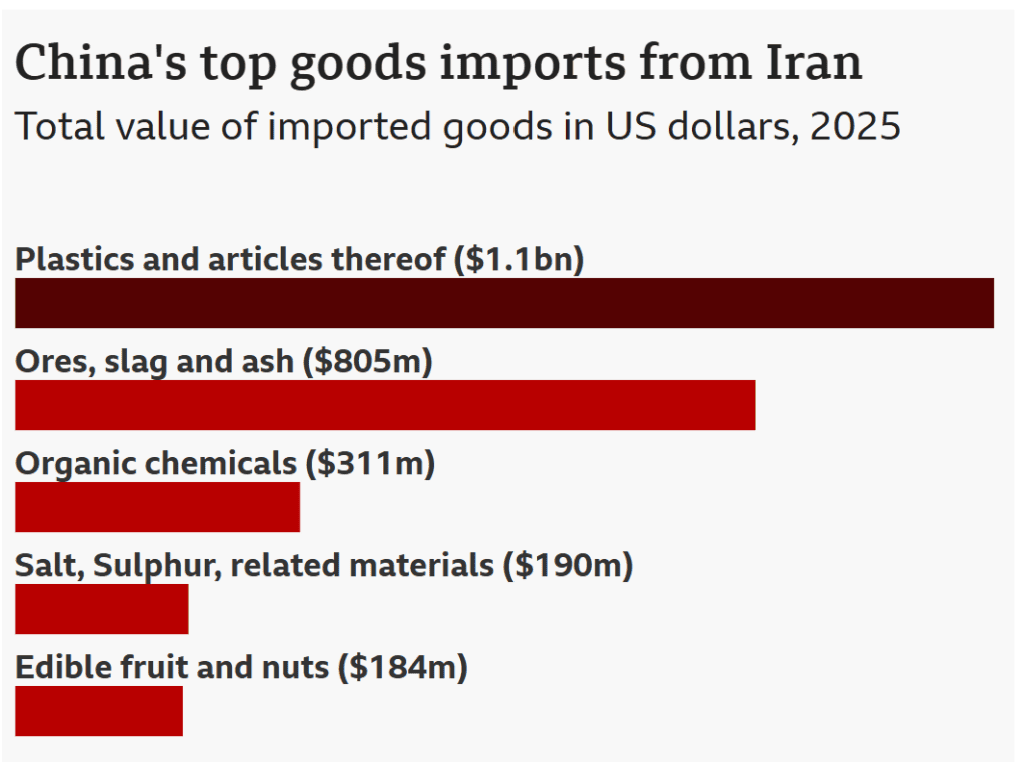
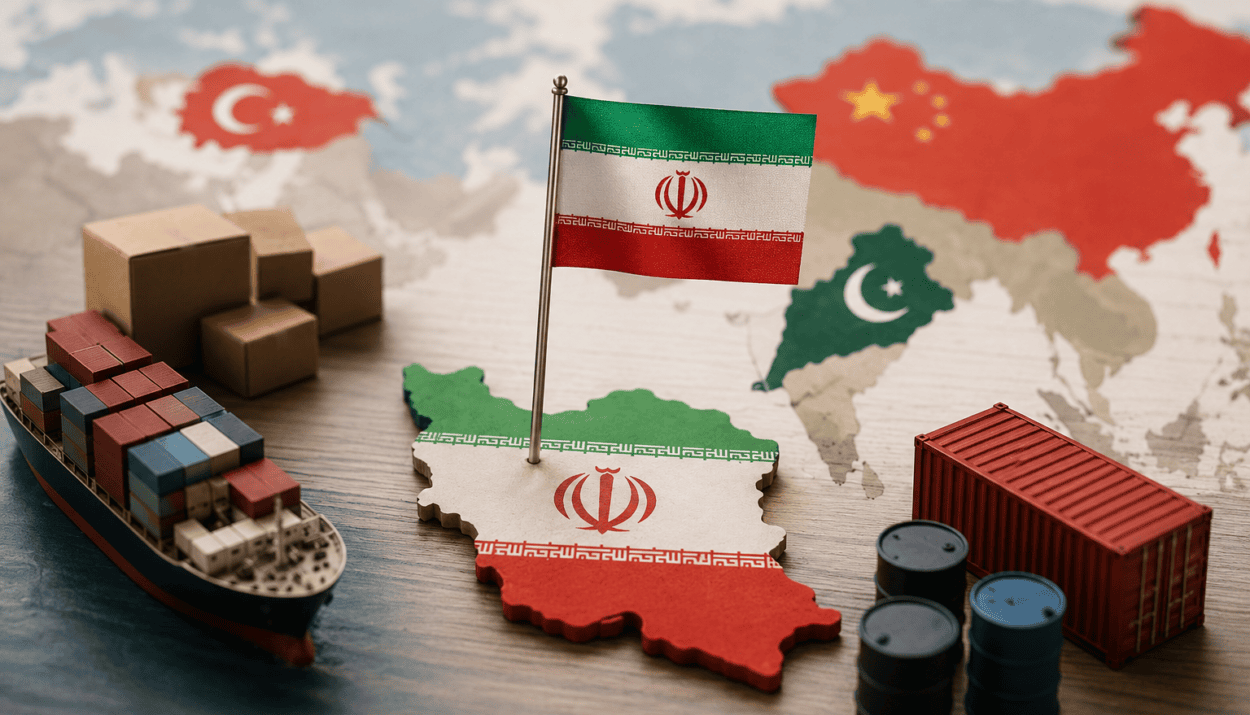
China is the biggest buyer of Iranian goods, accounting for 26.9% of Iran’s exports in 2025, according to International Trade Centre data cited by the BBC. Beijing has already rejected Washington’s new sanctions and said it will protect its economic interests.
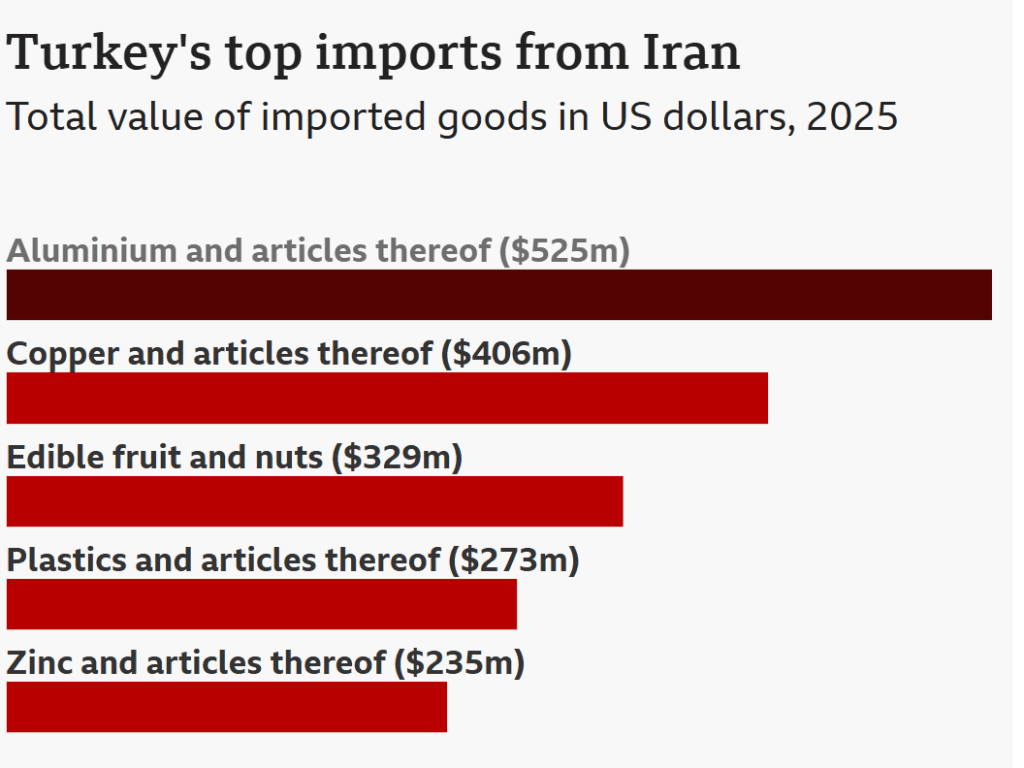
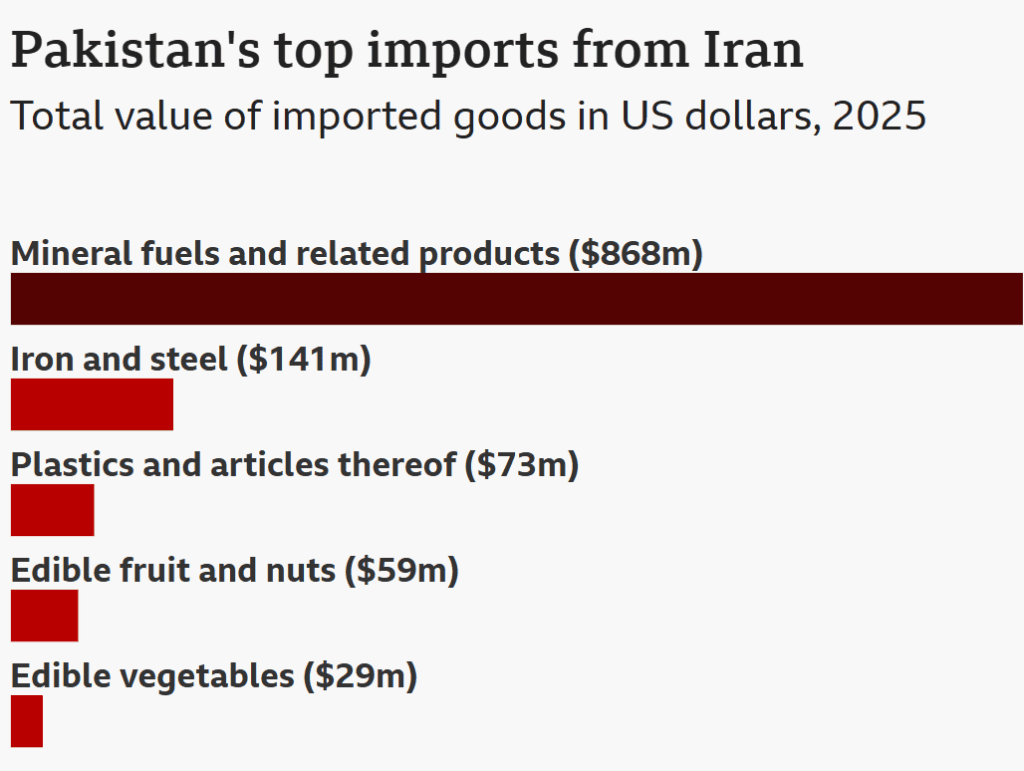
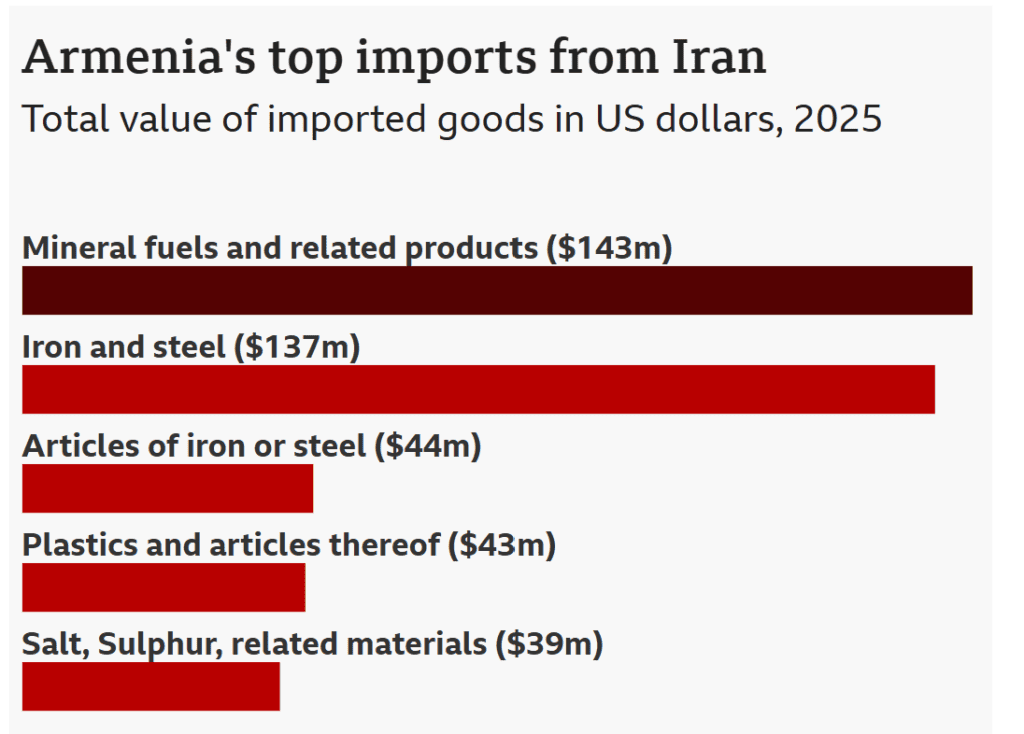
Other important partners include Turkey, Pakistan and Armenia, each presenting different challenges for Washington. Turkey is a NATO member but shares a border and important economic relationship with Iran. Pakistan also depends on cross-border trade while maintaining close ties with the US, and some Iranian fuel enters the country through informal smuggling networks.
Iran also has decades of experience operating under sanctions. The country has faced almost continuous US economic restrictions since 1979, building alternative trade relationships and methods of moving goods and money.
That is why some economists question how much additional damage the new sanctions can actually cause. Oxford Economics expects the direct effect on Iranian revenues to be limited, while experts argue the real question is whether Washington is willing and able to punish major economies that continue trading with Tehran.
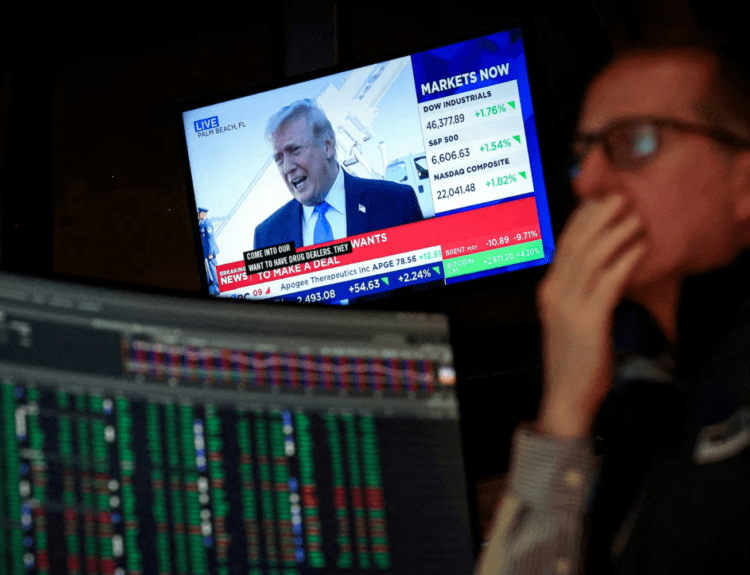
Markets have so far reacted cautiously. Oil prices fell after the sanctions announcement, although they remain well above pre-war levels, while major global stock indexes moved relatively little.
Bottom line: Trump’s “economic D-Day” sounds aggressive, but its success depends heavily on enforcement. If China and Iran’s other major trading partners continue doing business with Tehran, Washington may struggle to completely isolate the Iranian economy.
Related: Iran Weighs Escalation as US Economic Pressure Tightens