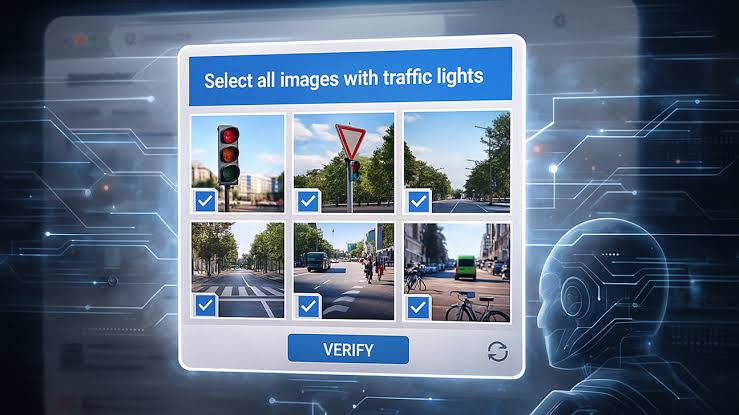

The internet’s traditional method of separating humans from bots(CAPTCHAs) is becoming less reliable as AI agents learn to browse websites, fill out forms, make purchases and adapt their behaviour in real time.
Modern AI agents are very different from traditional automated bots. Instead of following a fixed script, they can understand a webpage, decide what to click, react to errors and change their strategy until they complete a task. That makes simply labeling a visitor as either “human” or “bot” increasingly difficult.
CAPTCHAs are also losing effectiveness. A 2026 study cited by Tech Scoop found that some commercial CAPTCHA-solving services achieved near-perfect bypass rates, with costs as low as roughly $0.10 per 1,000 challenges.
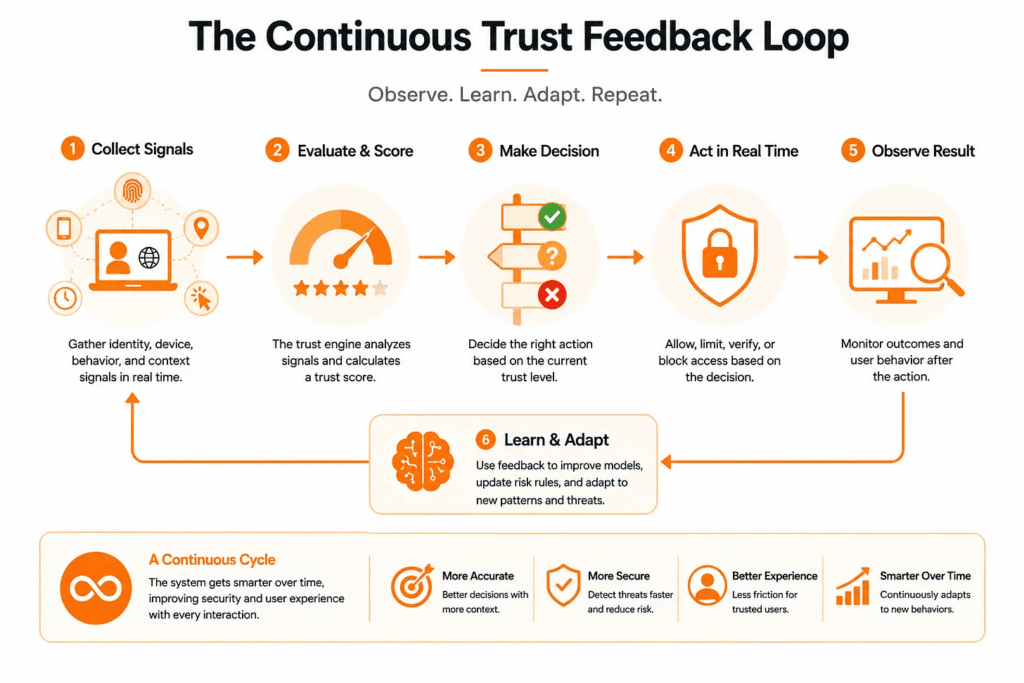
The problem is becoming more complicated because not all AI traffic is unwanted. Companies may actually want AI shopping assistants, travel agents and other automated services to access their websites and perform tasks for users.
As a result, cybersecurity could shift from asking “Is this a bot?” to asking whether a particular action can be trusted. Websites could increasingly evaluate a combination of identity, authorization, browser history and behavior throughout a session instead of relying on a single CAPTCHA.
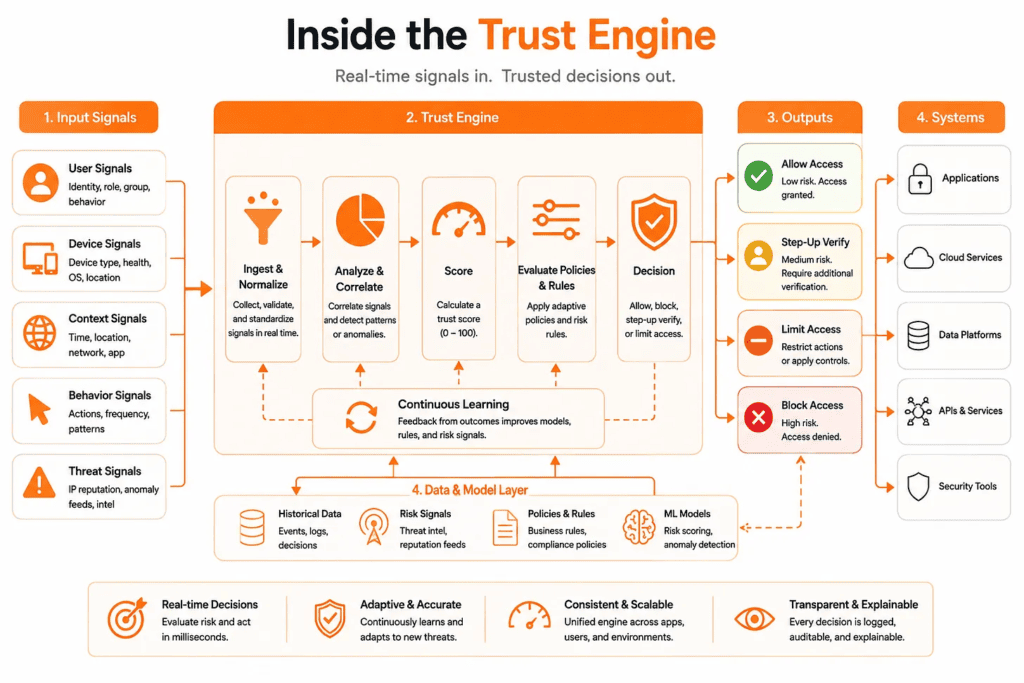
The transition has already reached standards organizations. NIST launched an AI Agent Standards Initiative in February 2026, while other groups are exploring ways for websites to identify AI agents and determine exactly what they are authorized to do.
Bottom line: CAPTCHAs probably will not disappear immediately, but AI is making them much weaker as a standalone defense. The next generation of web security may focus less on proving someone is human and more on proving that an AI agent is identifiable, authorized and behaving as expected.
Source: Tech Scoop