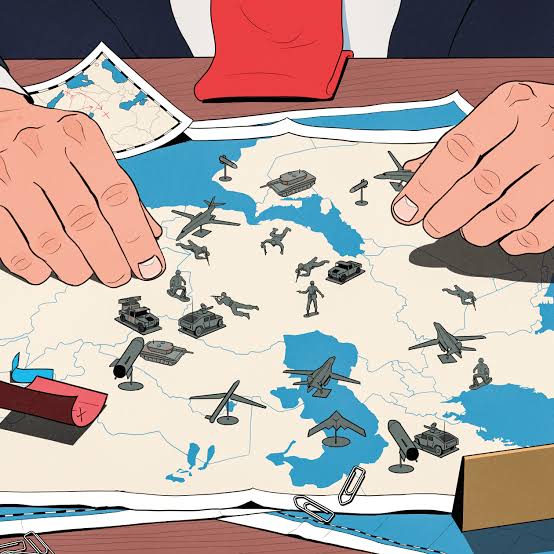

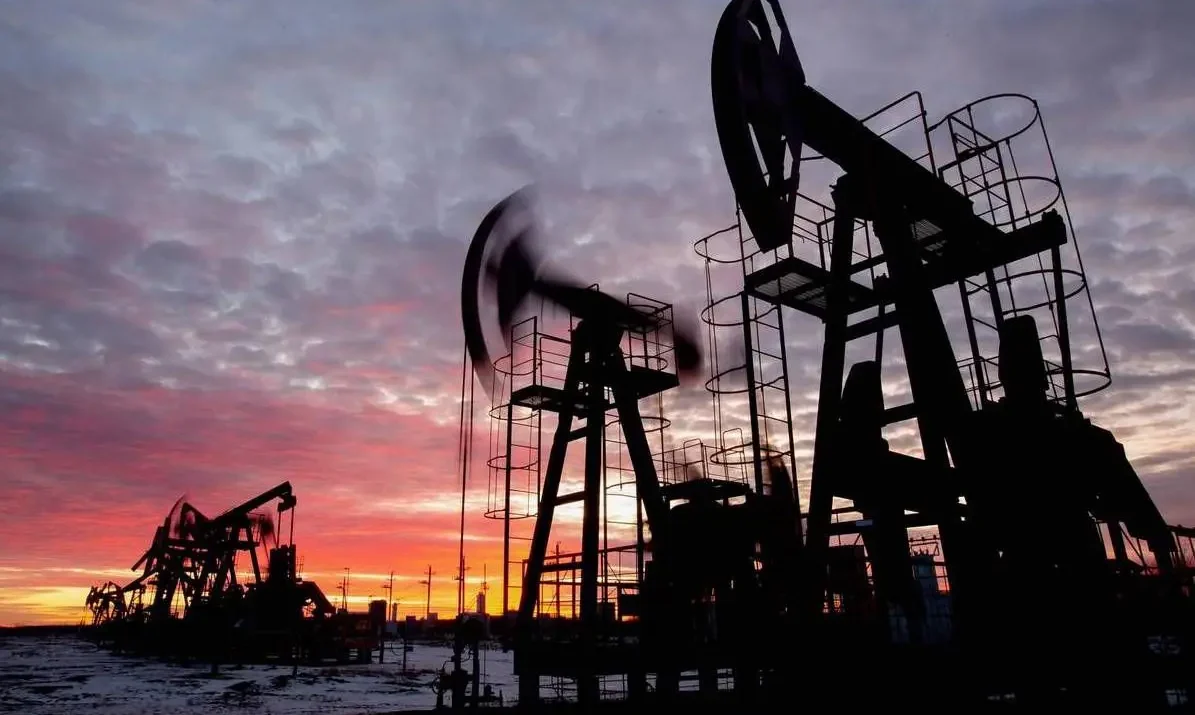

Oil prices tumbled to their lowest level in three months after the United States and Iran reached a preliminary peace agreement, raising hopes that global crude supplies could soon recover.
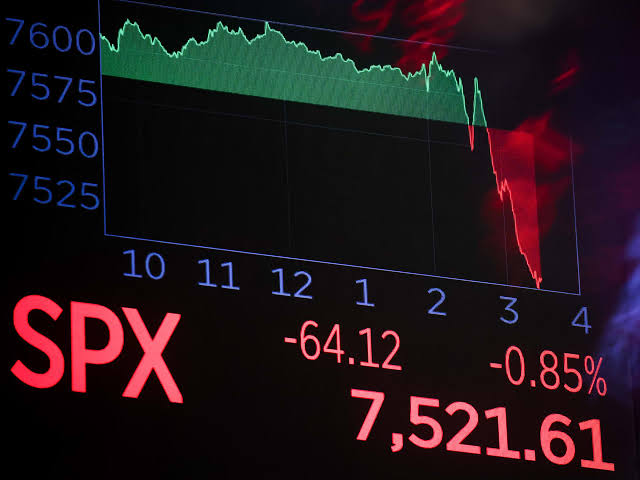
Brent crude settled at $83.17 per barrel, down 4.76%, while West Texas Intermediate (WTI) fell 4.87% to $80.75. The sharp decline erased much of the geopolitical risk premium that had built up during months of conflict in the Middle East.
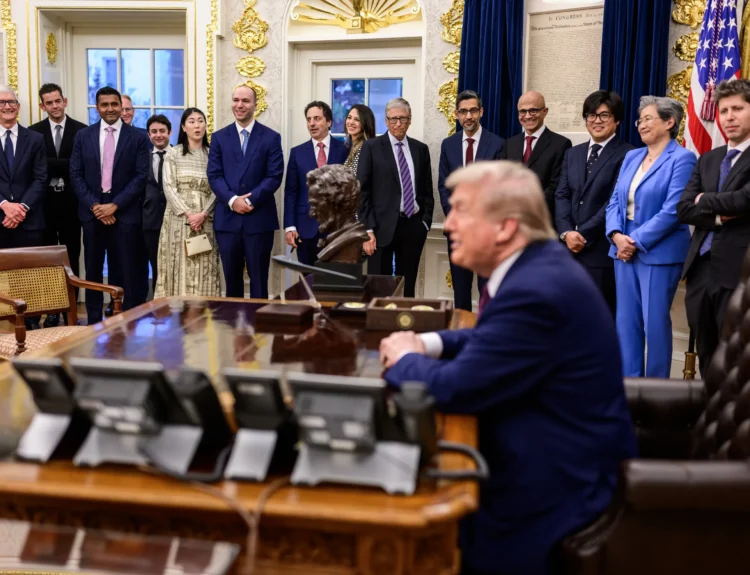
The market reacted after President Donald Trump announced that Washington and Tehran had signed a memorandum of understanding aimed at ending the conflict. The agreement is expected to reopen the Strait of Hormuz, a critical shipping route that carries around 20% of global oil and LNG supplies, although a formal signing ceremony and additional negotiations are still pending.
The prospect of additional oil reaching global markets quickly changed sentiment.
Key developments include:
- Brent crude fell 4.76% to $83.17 per barrel.
- WTI dropped 4.87% to $80.75 per barrel.
- Iran reduced its July official selling price for Asian buyers, signaling expectations that exports could gradually recover.
- Citi lowered its Brent price forecasts for the third and fourth quarters of 2026, citing improving supply expectations.
Despite the optimism, analysts caution that a full recovery in oil flows will take time. The Strait of Hormuz has faced months of disruption, and shipping companies are still assessing security conditions before returning vessels to normal routes. Industry experts also note that more than 14 million barrels per day of production remains offline, meaning supply is unlikely to normalize immediately.
For investors, the focus is now shifting from geopolitical risk to how quickly Middle Eastern oil production and exports can resume. If the peace agreement progresses as planned, lower energy prices could ease inflation pressures and improve the outlook for the global economy.
Disclosure: This article does not represent investment advice. The content and materials featured on this page are for educational purposes only.
Related: Which Stocks Could Benefit Most From a Geopolitical Reopening?