
Oil prices jumped sharply on May 17 as investors reacted to growing concerns over the Iran conflict and continued disruption around the Strait of Hormuz, reviving fears that energy costs could drive another inflation wave.
Brent crude climbed to around $112 per barrel, while WTI rose above $108, both reaching their highest levels in roughly two weeks. The move came as markets worried that supply disruptions could worsen if tensions escalated further.
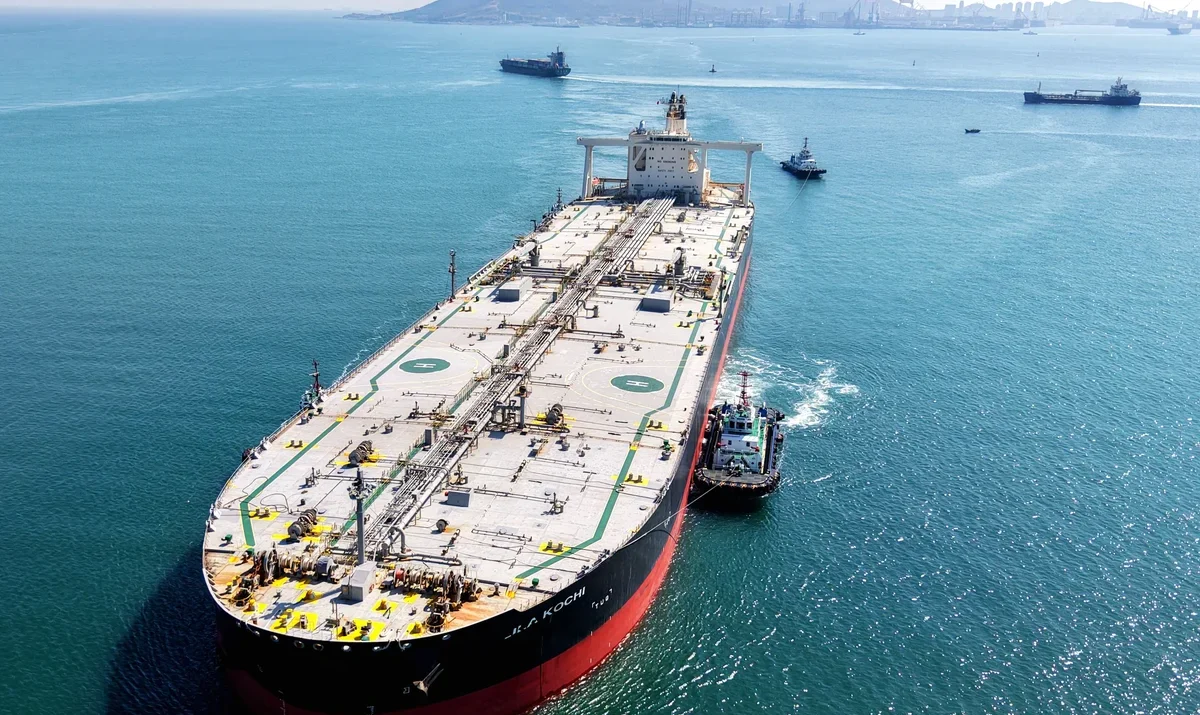
The Strait of Hormuz remains the center of attention because roughly 20% of global oil flows normally pass through the route. Continued disruption has already tightened energy markets and pushed traders toward higher oil price expectations.
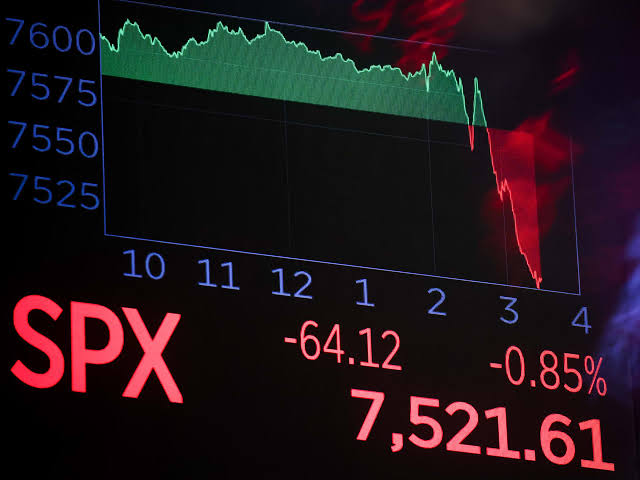
The energy rally quickly spread into broader markets.
Higher oil prices increased concerns that inflation could stay elevated for longer, putting pressure on bonds and weakening expectations for future interest-rate cuts. Reuters reported that rising energy costs were already contributing to a broader selloff in global bonds as markets reassessed inflation risks.
Economists also warned that a prolonged disruption could create wider economic effects, including:
- Higher gasoline prices
- Rising transportation costs
- Pressure on consumer spending
- Stronger inflation expectations
Markets are now watching whether diplomacy can ease tensions before energy prices create a larger macro problem.