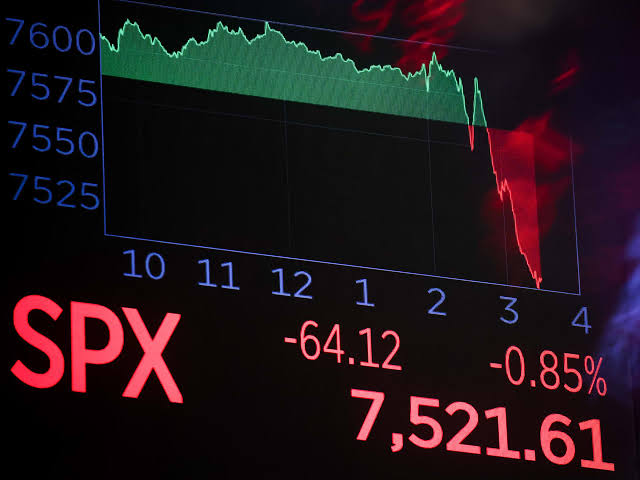

European stocks slipped on Friday, with the STOXX 600 down about 1%, putting the index on track for its first weekly loss in five weeks.
The decline comes as investors grow more concerned about economic slowdown risks and a fresh inflation shock, driven by ongoing tensions in the Middle East.
The pressure is largely coming from energy. Oil prices remain elevated, with Brent crude holding above $100, as disruptions around the Strait of Hormuz continue to threaten global supply.
At the same time, recent developments in the region have added to uncertainty, keeping markets cautious despite earlier hopes for stabilization.
What’s driving the drop
The core issue is uncertainty. Investors are increasingly worried that:
- Energy disruptions could push inflation higher again
- Growth in Europe may slow further
- Negotiations in the region are not progressing clearly
As one strategist noted, “the conflict has not improved in any meaningful way,” highlighting that risks around oil transit remain high.
Mixed signals from companies
Despite the broader decline, not all stocks moved in the same direction. SAP stood out, with shares jumping after strong cloud-driven profits, helping limit losses in the tech sector.
But elsewhere, weakness was clear. Tomra dropped sharply after missing expectations, while other industrial names also fell following disappointing results.
Macro pressure is building
Economic data is starting to reflect the strain. German business sentiment weakened more than expected, showing that companies are becoming increasingly cautious as the conflict drags on.
At the same time, attention is turning to the European Central Bank. Markets currently expect the ECB to hold rates steady, but rising energy costs could force policymakers to stay cautious or even tighten further later this year.
Europe is once again caught between weak growth and rising inflation risks. High oil prices, geopolitical uncertainty, and slowing sentiment are all weighing on markets.
If energy disruptions continue, the pressure on both stocks and the broader economy could increase in the weeks ahead.
Disclosure: This article does not represent investment advice. The content and materials featured on this page are for educational purposes only.
Related: How the Fed shapes your wallet, and why it matters right now