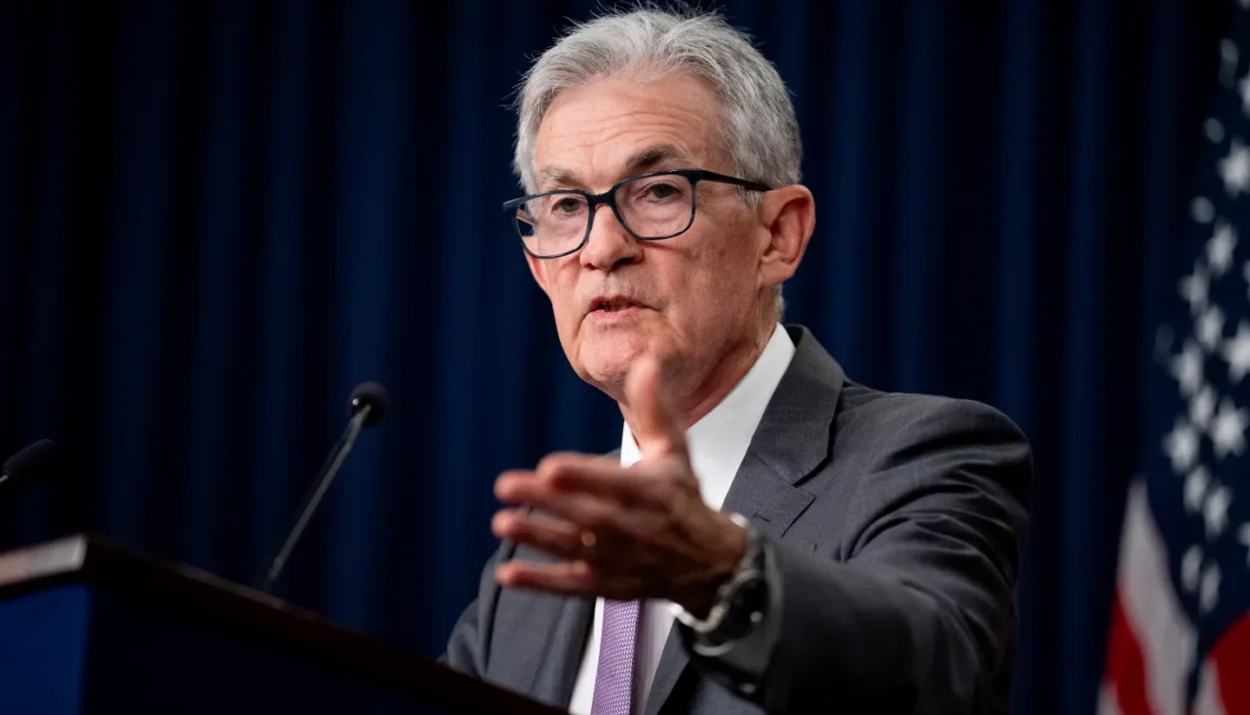

Fed Chair Jerome Powell is digging in, refusing to step down amid a political and legal storm that is now testing the independence of the US central bank.
Jerome Powell said he will remain at the Federal Reserve until the ongoing Justice Department investigation into him is “well and truly over,” signalling a direct pushback against mounting political pressure from President Donald Trump and his allies.
The statement comes at a sensitive moment. The Fed has just held interest rates steady for the second time this year, while simultaneously navigating rising inflation risks, a slowing job market, and the economic fallout from the Iran war.
A Leadership Standoff at the Fed
Powell made it clear he is not going anywhere soon.
Even though his term as Fed chair is set to end in May, he said he will:
- Stay on as chair until a successor is confirmed
- Potentially remain on the Fed board until 2028
- Continue serving in an interim role if needed
The issue is that Trump’s nominee, Kevin Warsh, is currently blocked in the Senate, with at least one Republican senator refusing to approve the nomination while the investigation into Powell continues.
That effectively leaves Powell in place, regardless of political pressure.
Probe, Politics, and Pressure
The investigation, led by federal prosecutor Jeanine Pirro, is officially focused on cost overruns related to renovations at the Fed’s headquarters. However, Powell and many economists see it differently.
A federal judge recently dismissed key subpoenas tied to the probe, stating:
“The government has offered no evidence whatsoever that Powell committed any crime other than displeasing the President.”
Despite that, the investigation is expected to continue through appeals, prolonging uncertainty around Fed leadership.
At the same time, Trump has repeatedly criticized Powell for not cutting interest rates aggressively enough, even attempting to remove Fed officials.
Why This Matters for Markets
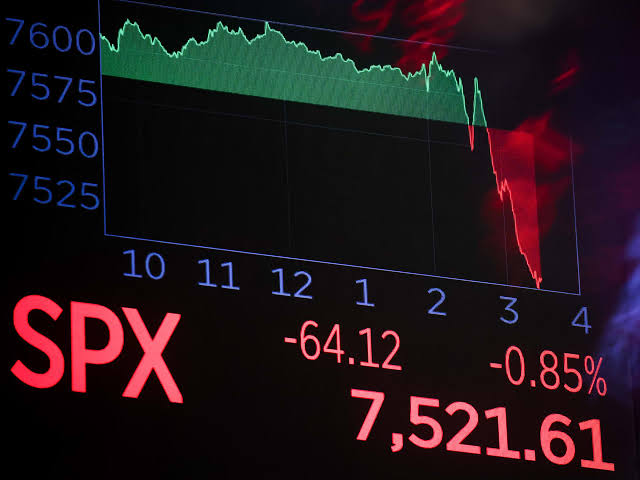
This is not just a political story. It is a market story.
The Federal Reserve’s independence has long been seen as a cornerstone of US financial stability. Any perception that monetary policy is being influenced by political pressure could:
- Undermine investor confidence
- Complicate inflation control
- Increase volatility across markets
Research consistently shows that central banks under political control tend to keep rates too low, leading to higher inflation over time.
All This Is Happening Amid a Fragile Economy
The timing could not be more critical. The Fed is already dealing with:
- Rising inflation driven by the Iran war and oil prices
- A slowing labor market
- Uncertainty over future rate moves
In this environment, leadership stability is key. Instead, the Fed is facing internal and external pressure at the same time.
Powell’s message is clear: He will not step aside under pressure.
But the situation creates a rare and uncomfortable scenario where: Monetary policy, Politics, and legal battles are all colliding at once.
For markets, the question is no longer just about interest rates.
It is about whether the Fed can remain independent in one of the most uncertain economic moments in years.
Disclosure: This article does not represent investment advice. The content and materials featured on this page are for educational purposes only.
Related: Fed Keeps Rates Steady Amid Rising Inflation: What it Means for Banks