
The US will not intervene in oil futures markets despite rising volatility, choosing instead to increase global oil supply to stabilise prices.
US Treasury Secretary Scott Bessent said the government will avoid financial market intervention during the Iran war.
“We’re not intervening in the financial markets. We are supplying the physical markets,” he said.
Plan: Flood the Market With Oil
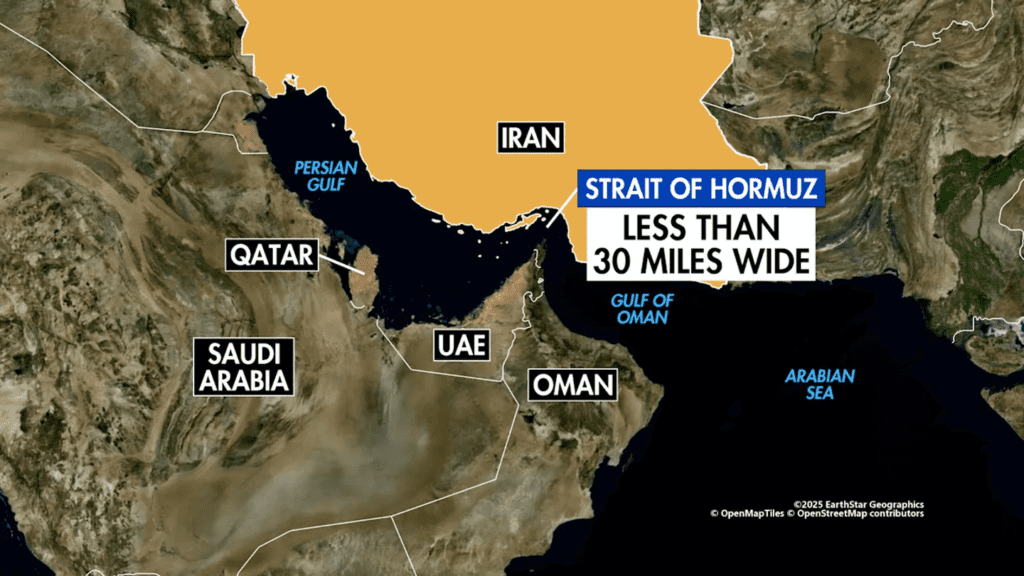
Instead of targeting futures trading, the US is preparing a massive supply response to offset disruptions tied to the Strait of Hormuz.
Key measures include:
- ~130 million barrels of Russian oil already on the water could be “unsanctioned”
- ~140 million barrels of Iranian oil in storage could also be released
- Total potential supply boost: ~260 million barrels
Bessent described this as a “physical intervention” aimed at stabilizing real supply, not financial speculation.
Strategic Reserves Also in Play
The US and its partners have already approved a record 400 million-barrel release from strategic reserves. Bessent said additional releases are possible if needed:
- Further unilateral US action could follow
- Goal is to keep oil prices under control globally
Covering a Major Supply Shock
The administration estimates that disruptions in the Strait of Hormuz could remove: 10 to 14 million barrels per day from global supply
The planned supply injections could help stabilize markets for several weeks, buying time while the conflict unfolds.
Balancing War and Energy Stability
Bessent said the US strategy is to:
- Maintain pressure on Iran
- Avoid damaging critical oil infrastructure
- Prevent a full-scale global energy shock
Even though the US relies less on Middle Eastern oil, disruptions in the strait still impact global prices and market sentiment.
As oil markets react to war-driven uncertainty, the US is signalling a clear approach: No intervention in financial markets, only real supply solutions. The strategy aims to calm prices without distorting markets, but its success will depend on how long the conflict and shipping disruptions last.
Disclosure: This article does not represent investment advice. The content and materials featured on this page are for educational purposes only.
Related: SEC urged to restrict Chinese companies’ access to US capital markets