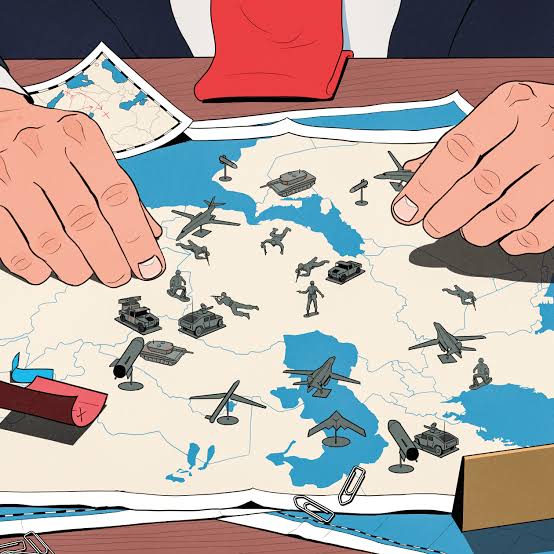

The expanding conflict involving the US, Israel, and Iran is becoming the dominant force shaping global financial markets, pushing energy prices higher and increasing uncertainty for investors.
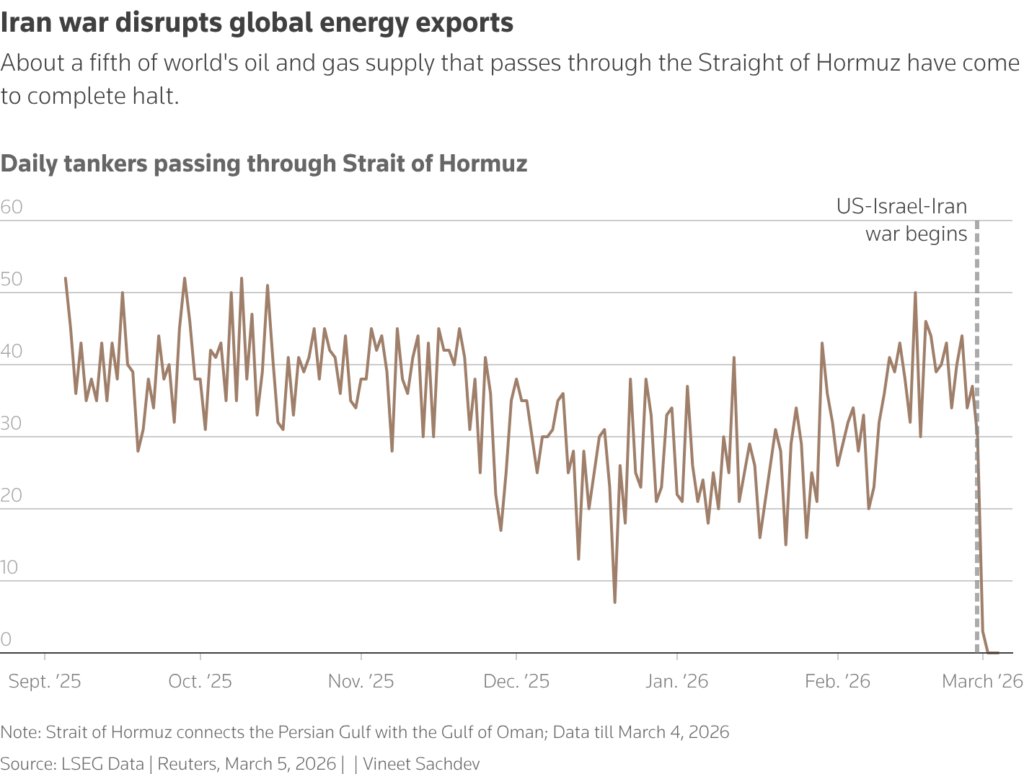
Since US and Israeli strikes on Iran began on February 28, markets have reacted quickly. Oil prices have surged nearly 20%, while European natural gas prices have jumped close to 60%, reflecting fears of supply disruptions across the Middle East.
The conflict is also affecting global shipping routes, especially near the Strait of Hormuz, one of the world’s most critical oil transport corridors.
Energy Shock Hits Markets
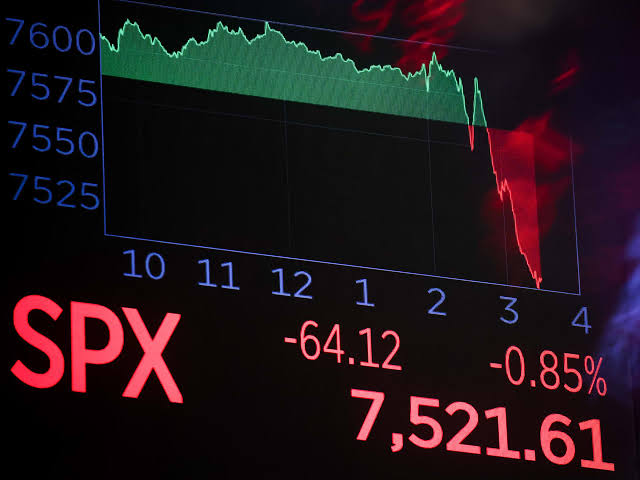
Rising energy prices have triggered volatility across several asset classes.
Some of the most popular investment trades of the past year are now reversing as investors adjust their positions.
Recent market moves include:
• US dollar strengthening against major currencies
• Emerging market stocks weakening
• Technology stocks facing pressure
• Gold being used by investors to cover losses rather than as a safe haven
Although many investors still expect the conflict to last only a few weeks, the situation remains unpredictable and could shift markets quickly in either direction.
Inflation Data in Focus
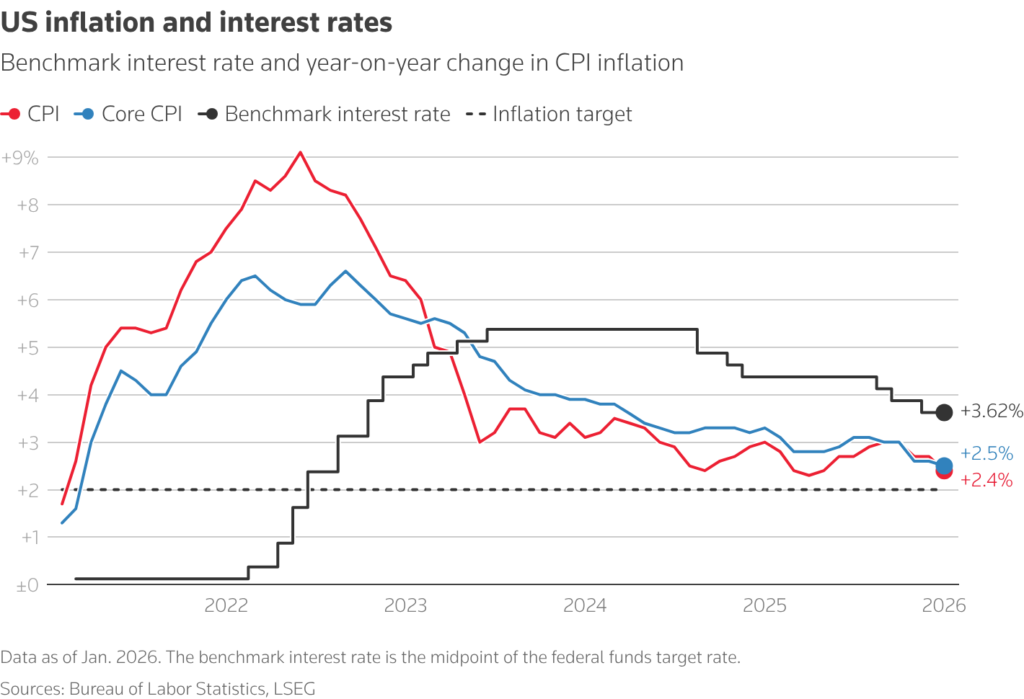
The coming week will also bring important US inflation reports.
Two key indicators will be released:
• Consumer Price Index (CPI) data on Wednesday
• Personal Consumption Expenditures (PCE) inflation data on Friday
However, these figures were calculated before the recent surge in energy prices, meaning they may not fully reflect the economic impact of the conflict.
The data will still provide insight into inflation trends ahead of the Federal Reserve’s next policy meeting later this month.
Central Banks May Turn More Cautious
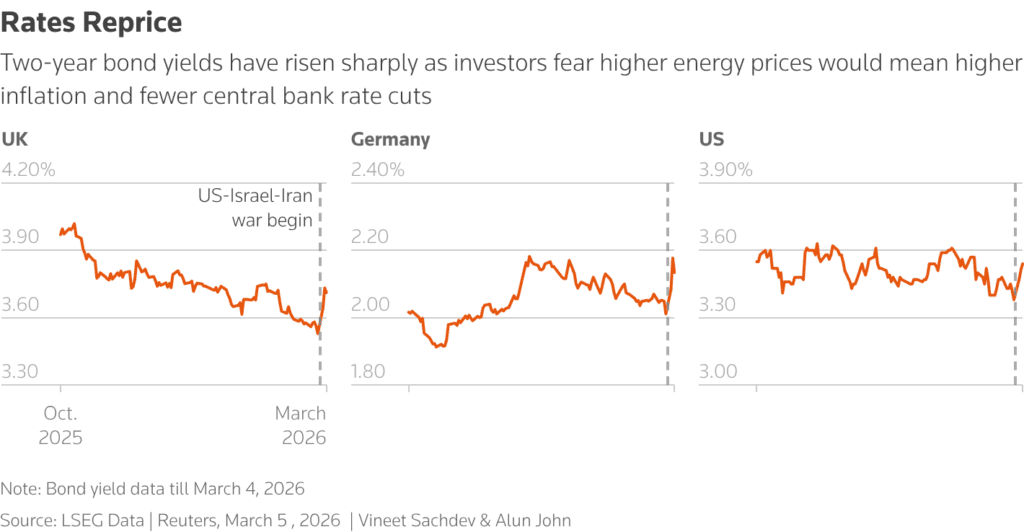
Rising oil and gas prices are raising concerns that central banks could delay interest rate cuts.
Investors are now reconsidering expectations for monetary policy, especially in Europe. Markets increasingly believe the European Central Bank could even raise interest rates later this year, reversing earlier expectations of further cuts.
Bond markets are already reacting. Short term government bond yields in Europe have jumped sharply as traders adjust to the possibility of higher inflation.
China and Global Politics Also in Focus
Outside the Middle East, several major global events could influence markets next week.
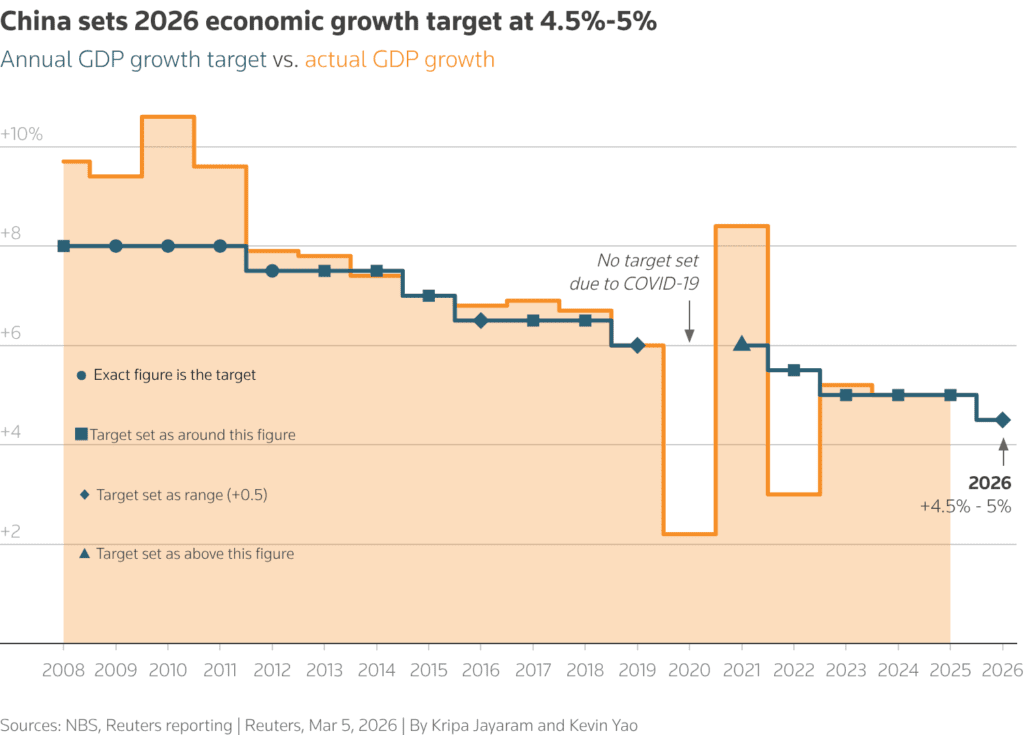
China is holding its annual “Two Meetings” political sessions, where policymakers recently announced a 4.5% to 5% economic growth target. Upcoming inflation and trade data will provide additional insight into the health of the Chinese economy.
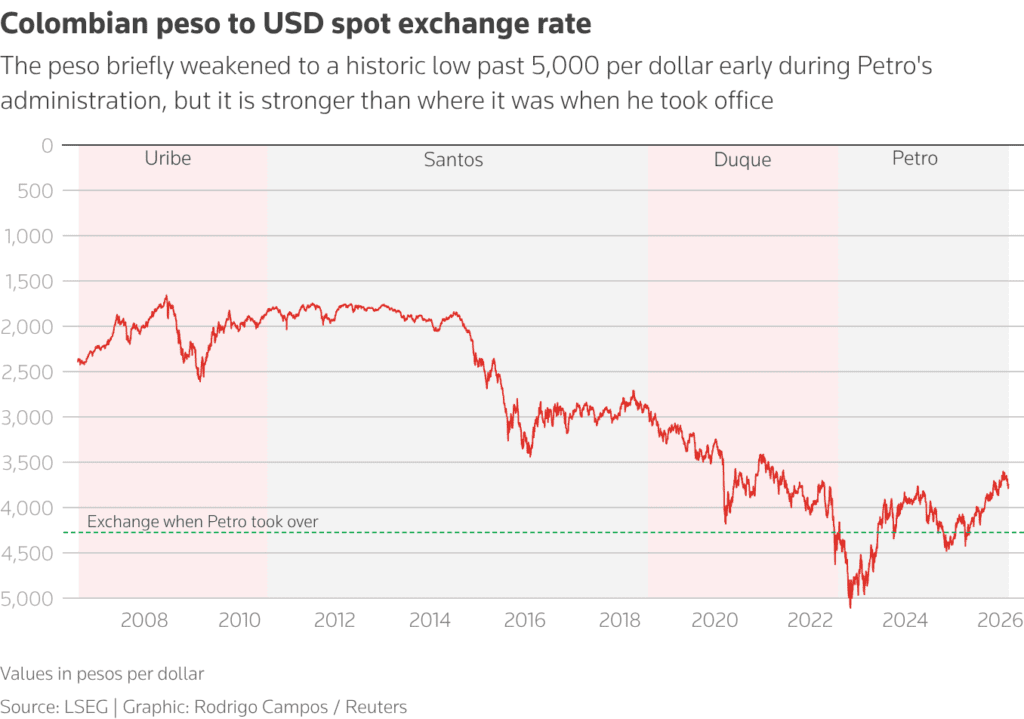
Meanwhile, Colombia will hold congressional elections and presidential primaries, events that could influence the country’s financial markets ahead of a major presidential vote later this year.
Markets Enter a Period of Uncertainty
For now, the Iran conflict remains the most important driver of global market sentiment.
Investors are closely watching energy prices, inflation data, and geopolitical developments to determine whether the current market volatility will be temporary or the beginning of a larger economic shock.
Disclosure: This article does not represent investment advice. The content and materials featured on this page are for educational purposes only.