
Analysts warn that if the Iran war lasts months instead of weeks, it could send oil prices soaring, revive global inflation fears, and slow economic growth.
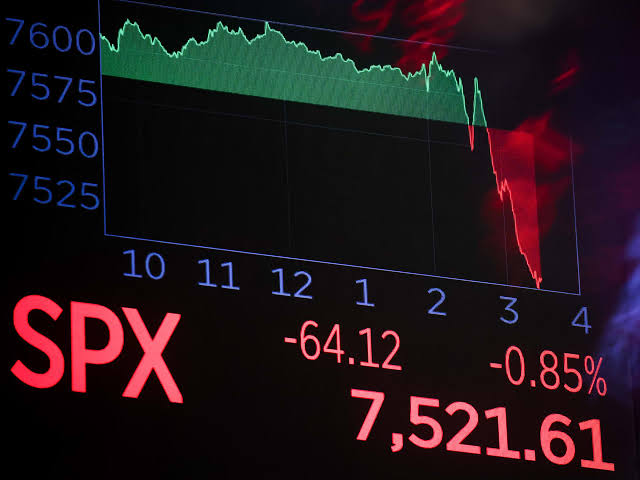
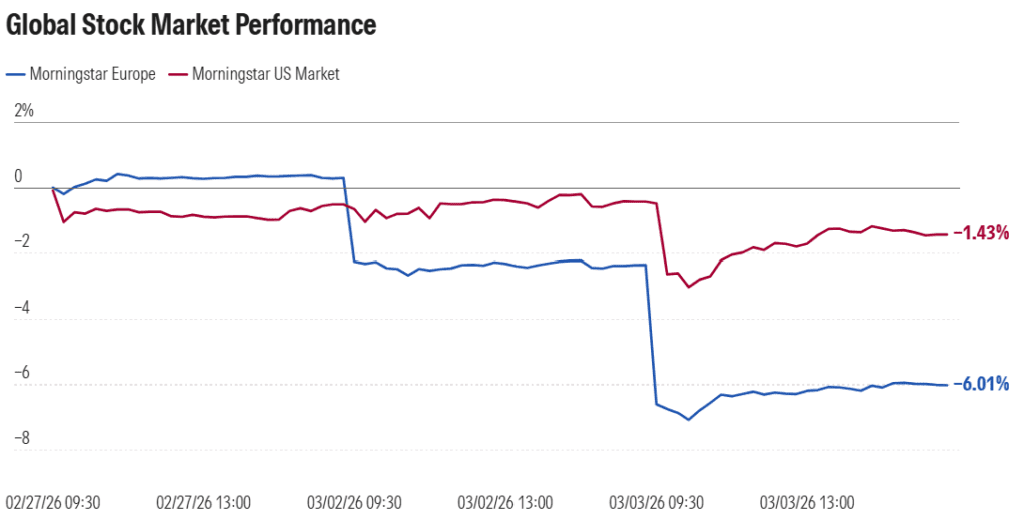
Financial markets have reacted cautiously to the conflict so far, with oil rising and stocks falling slightly. But many investors still believe the war will be short and limited. If the fighting drags on, economists say the global economic impact could be far more severe.
Oil Prices Could Surge
Energy markets would likely feel the biggest impact of a prolonged conflict.
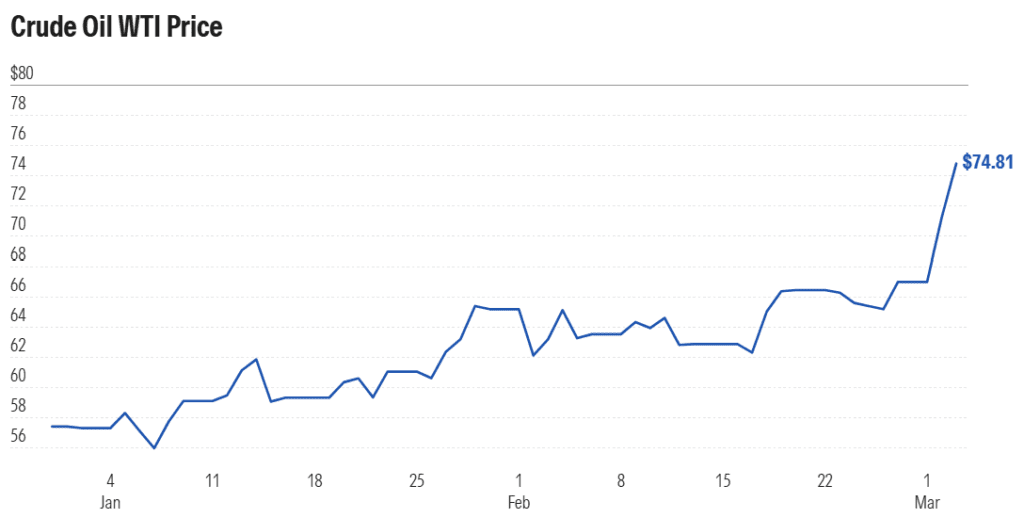
Brent crude recently climbed to about $84 per barrel, while US benchmark WTI rose to around $74.81. But analysts say a long war could push oil above $100 per barrel, a level not seen since the early stages of the Ukraine war.
A key risk is disruption around the Strait of Hormuz, one of the world’s most critical energy routes.
• Around 20% of global liquefied natural gas shipments pass through the strait
• A large share of global oil exports also moves through the region
If the conflict interrupts shipping routes or production, energy markets could face a major supply shock.
Inflation Could Return
Higher oil prices would likely feed into broader inflation across the global economy.
Energy costs affect transportation, manufacturing, and consumer goods. If oil stays elevated for months, analysts say it could push up prices across many sectors.
Economists warn that oil above $100 per barrel could significantly raise inflation levels, particularly in Europe, where energy costs already weigh heavily on consumers.
In a worst case scenario, analysts say the surge could add more than 2 percentage points to European inflation and potentially trigger recessions in some economies.
Fed Policy Could Change
Before the war began, markets widely expected the US Federal Reserve to cut interest rates two or three times in 2026.
Those expectations are now shifting.
If oil prices continue rising and inflation pressures return, the Fed may need to keep interest rates higher for longer. In extreme scenarios, economists say central banks might even need to raise rates again to control inflation.
Markets Still Expect Short Conflict
Despite these risks, many analysts believe the war will remain limited.
Previous clashes between Israel and Iran in 2025 lasted about 12 days, and oil prices quickly fell after a ceasefire. Some investors expect a similar pattern this time.
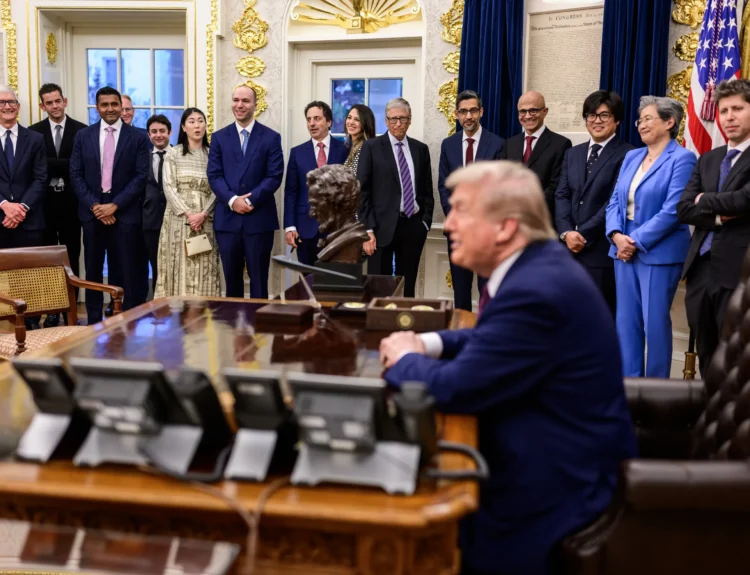
However, political signals suggest the conflict could last longer. President Donald Trump recently suggested wars can be fought “forever” with sufficient military resources.
Global Economy at a Crossroads
For now, markets are betting that energy disruptions will be temporary.
But if the conflict continues and oil supplies are affected, the economic consequences could ripple across the global economy, bringing higher inflation, slower growth, and renewed volatility in financial markets.
Disclosure: This article does not represent investment advice. The content and materials featured on this page are for educational purposes only.