
Despite repeated assurances from the White House that it supports a strong US dollar, investors are still keeping their distance as policy uncertainty and geopolitical risks weigh on confidence.
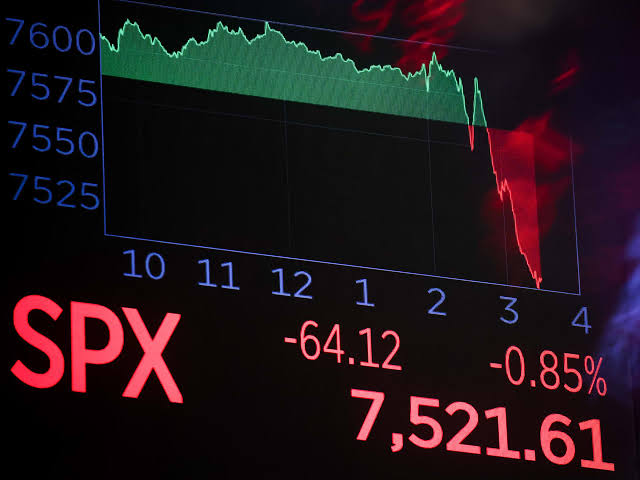
The US dollar is struggling to regain lost ground after suffering its sharpest annual decline in eight years in 2025. Even with a modest rebound in recent days, the dollar index is still down about 1% so far this year, on top of last year’s roughly 9% fall.
Strategists at Goldman Sachs say the problem is not short-term market noise but persistent uncertainty. In a recent client note, the bank’s FX team argued that shifting trade policy and renewed tariff threats have undermined expectations for a stable economic backdrop, limiting the dollar’s ability to recover.
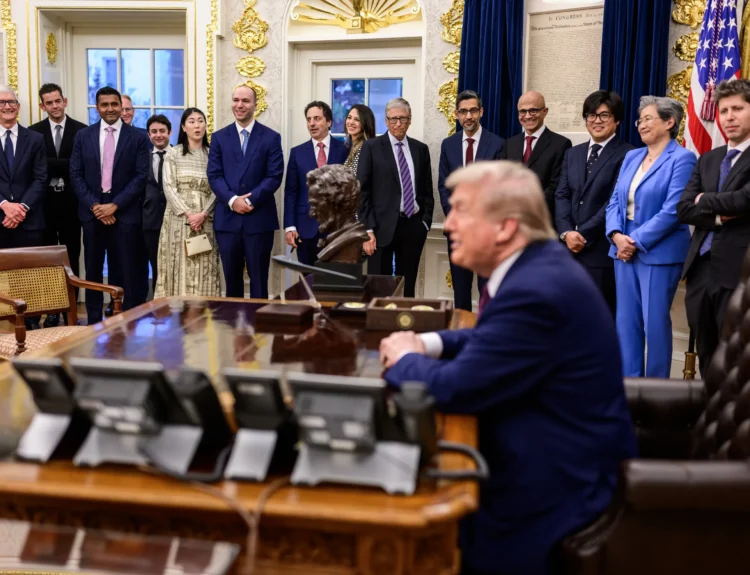
The dollar’s weakness became especially visible after President Donald Trump announced his so-called “Liberation Day” tariffs last April. In the days that followed, the greenback fell more than 5%, and nearly a year later, it has yet to claw back those losses.
For decades, the dollar’s status as the world’s dominant reserve currency has made it a safe haven during periods of market stress. But some strategists now question whether that privilege can be taken for granted. Thierry Wizman of Macquarie says recent US policy choices may be prompting investors to rethink their exposure and gradually look for alternatives.
Attention has also turned to the future direction of US monetary policy, especially after Trump nominated Kevin Warsh to replace Federal Reserve Chair Jerome Powell. While Warsh is known as a policy hawk, Trump has openly said he expects interest rates to come down, reinforcing investor concerns about political pressure on the Fed. The dollar briefly firmed after the nomination, but the move quickly faded.
As a result, investors are increasingly hedging away from the dollar. Currencies like the euro and Swiss franc have strengthened, while demand for gold and other metals has surged. Gold is still up more than 70% over the past year despite recent volatility, underscoring how strongly investors are leaning toward hard assets.
Bank of America cautions that this does not yet amount to full scale dollar debasement. However, the bank notes that the fundamental drivers of dollar weakness, including trade tensions and expectations of easier Fed policy, have not fully played out.
For now, the dollar remains central to the global financial system. But recent market behavior suggests that confidence is no longer unquestioned, and that investors are increasingly preparing for a world where dollar dominance slowly erodes rather than abruptly collapses.
Disclosure: This article does not represent investment advice. The content and materials featured on this page are for educational purposes only.
Related: Dollar Disorder Is Sending Shockwaves Through Global Markets
Dollar vs Yuan Debate Returns as Trump and China Eye Currency Shift in 2026
Wild Currency Swings Put Emerging Markets in the Global Spotlight as Dollar Weakens
Europe Explores Pooling Dollar Reserves after Trump shocks
As the Dollar Slides, the Euro Is Picking Up Speed
De-Dollarization: The Global Shift That Could Redefine the Future of Money
How does the Eurodollar System Influence Global Markets?
Dollar Role in Global Economy: Analyzing US dollar future’s reserve currency status