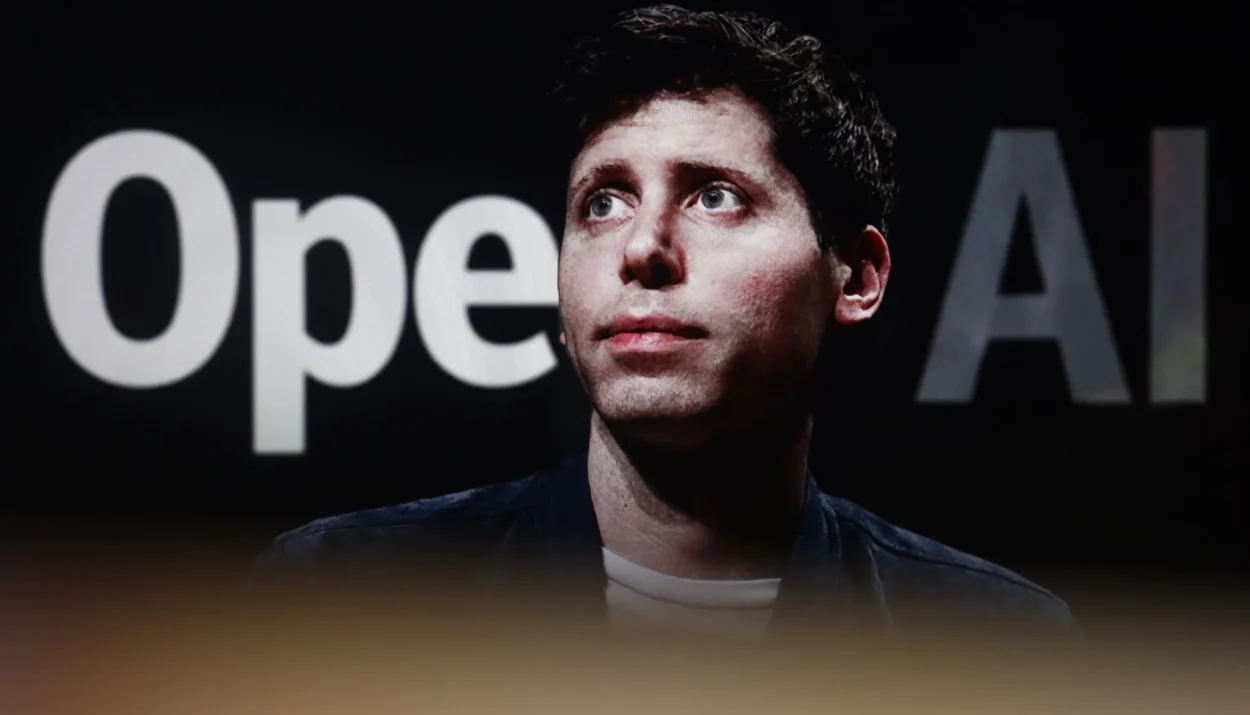

For years, Sam Altman has operated with a simple assumption: if he wants something badly enough, the world will eventually move his way. Launch early. Scale fast. Raise unprecedented amounts of capital. Declare the future, then build into it.
That approach helped turn OpenAI into the defining name in artificial intelligence. Now, cracks are starting to show.
A public wobble with Nvidia
This week exposed rare tension at the top of the AI stack. Reuters reported that OpenAI has concerns about Nvidia’s chips, followed by public comments from Jensen Huang dialing back expectations around Nvidia’s much-discussed $100 billion investment. Altman pushed back on social media, calling the situation “insanity,” but the moment mattered.
For once, OpenAI was not dictating the terms.
The Altman model: move first, fix later
Altman’s instincts shaped OpenAI’s rise. He forced through the 2022 ChatGPT launch despite internal resistance. The bet worked. ChatGPT became shorthand for AI itself, pulling in massive commitments from Microsoft, Oracle, Nvidia, and others.
That success reinforced a pattern. According to a recent Forbes profile, Altman expects momentum to solve problems. His mentor Paul Graham summed it up simply: “Sam gets what he wants.”
Now the limits are showing
Behind the scenes, OpenAI is stretched.
- Profitability remains years away, with reports warning cash could run thin by 2027
- Microsoft took a $3.1 billion hit tied to OpenAI investments
- Oracle has yet to see returns from billions committed
- ChatGPT subscriber growth has slowed, forcing OpenAI to introduce ads, something Altman once called a last resort
Altman himself acknowledged the pressure in a recent town hall, announcing sharply slower hiring and pushing harder for AI systems to build AI. The irony is hard to miss.
AGI claims meet pushback
Altman has repeatedly suggested OpenAI is “very close” to artificial general intelligence. Not everyone agrees. Satya Nadella pushed back bluntly, saying AGI is not something executives can declare into existence.
Even inside OpenAI, employees reportedly want to slow down, focus, and stop chasing every possible product idea at once. From AI wearables to ambitious hardware projects, the strategy looks less like a roadmap and more like experimentation under pressure.
Why this moment matters
Altman built his reputation by betting that speed beats caution. That bet paid off early. Now, partners are hesitating, capital is getting more selective, and competitors like Google and Anthropic are closing the gap.
For the first time, Sam Altman may hear “no” more often than “yes.”
Whether he adapts, or tries to push harder through resistance, could determine not just OpenAI’s future, but how the next phase of the AI boom unfolds.
Disclosure: This article does not represent investment advice. The content and materials featured on this page are for educational purposes only.
Related: Sam Altman says OpenAI isn’t trying to become ‘too big to fail’