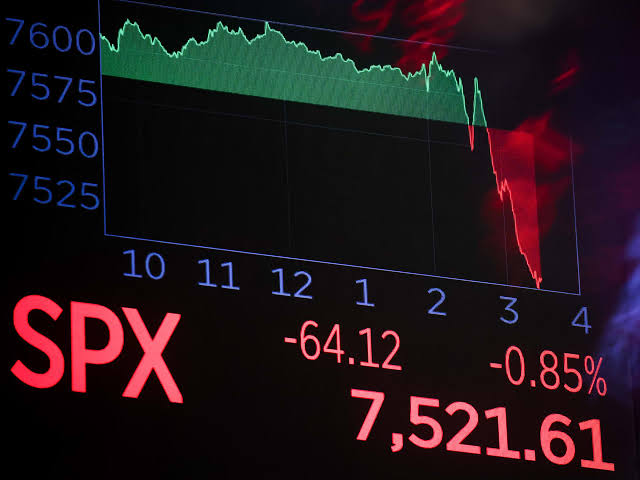

The headline number shook markets. A $100 billion Nvidia investment in OpenAI sounded like the biggest AI check ever written.
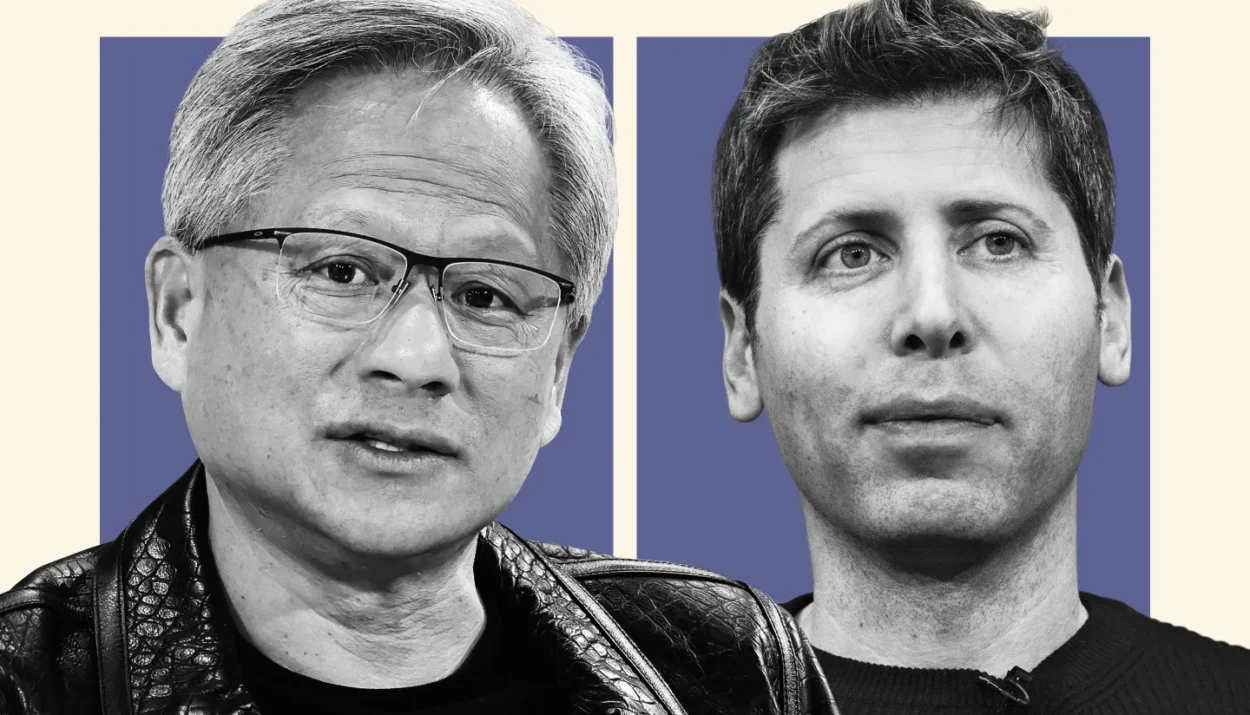
But according to Jensen Huang, that figure was never what investors thought it was. Speaking this week, the Nvidia CEO said the widely cited $100B was not a commitment, but an invitation to invest up to that amount over time. Nvidia, he stressed, is moving “one step at a time.”
What actually happened with the $100B figure
Back in September, Nvidia and OpenAI unveiled a sweeping memorandum of understanding. The plan included Nvidia supplying massive computing capacity and potentially investing up to $100 billion to support OpenAI’s infrastructure needs.
But inside Nvidia, the deal never became binding.
According to reporting from Reuters and The Wall Street Journal, executives raised concerns about the scale, timing, and structure of such a massive investment. Huang has since clarified that the original figure was non-binding, and that the current discussions center on tens of billions, not $100B.
“We haven’t made the investment yet because they’re closing their round,” Huang said. “But we’ll definitely be involved. We’ll invest a great deal of money, probably the largest investment we’ve ever made.”
He added quickly that it would be “nothing like” $100 billion.
Nvidia is in, just not blindly
Despite reports that the megadeal is “on ice,” Huang pushed back hard on the idea that Nvidia is unhappy with OpenAI.
“That’s nonsense. That’s complete nonsense,” he said when asked about concerns over competition and strategy. “I really love working with Sam.”
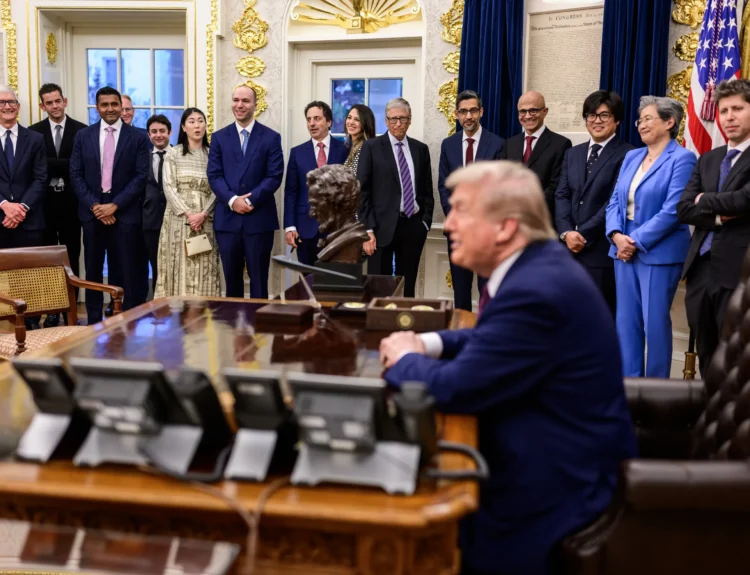
The Sam he refers to is Sam Altman, who is currently finalizing OpenAI’s latest funding round. Nvidia has confirmed it will absolutely participate.
Still, Huang has privately raised issues about OpenAI’s business discipline and the intensifying competition from rivals such as Alphabet and Anthropic, according to WSJ reporting.
The message is clear. Nvidia wants exposure to OpenAI’s future, but not at any price.
Supply pressure is real and growing
Huang also addressed another key investor concern: whether TSMC can keep up with Nvidia’s exploding demand.
Asked directly if TSMC has enough capacity this year, Huang was blunt.
“They need to work very hard this year,” he said. Nvidia, he explained, needs “a lot of wafers and CoWoS,” referring to the advanced packaging technology critical for AI accelerators.
At the same time, he praised TSMC’s execution, saying the company is “doing an incredible job” as Nvidia faces “a lot of demand this year.”
The bigger AI funding race
Nvidia is far from alone. Big Tech and global investors are lining up to deepen ties with OpenAI, which is spending aggressively on data centers and compute.
Reuters reports that Amazon is in talks to invest up to $50 billion. OpenAI is reportedly seeking as much as $100 billion in fresh funding at a valuation near $830 billion. For Nvidia, the strategy is careful but confident. Huang wants Nvidia deeply embedded in the AI ecosystem, but without writing a blank check or locking itself into an inflexible megadeal.
What investors should take away
The market heard “$100 billion” and assumed excess. Nvidia is now walking that back without walking away.
The takeaway is not that Nvidia is retreating from OpenAI. It is that Nvidia is asserting discipline at a moment when AI spending risks running ahead of returns.
Nvidia will invest. Likely heavily. Possibly more than ever before.
Disclosure: This article does not represent investment advice. The content and materials featured on this page are for educational purposes only.
Related: Gold and Silver Crashed. Here’s What Really Happened and Why It Matters