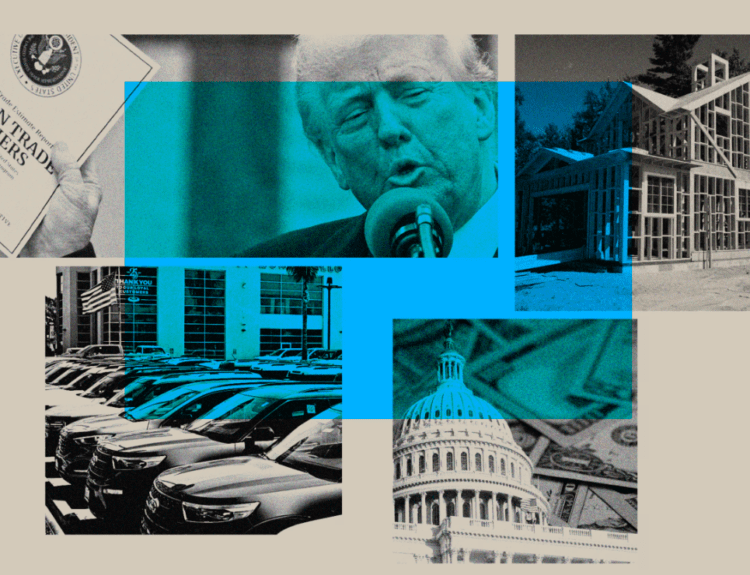

The Supreme Court has delivered one of the biggest blows yet to President Donald Trump’s trade agenda, overturning most of the sweeping tariffs imposed under emergency powers. The 6–3 ruling reshapes US trade policy, raises questions about billions in potential refunds, and sets up a new political and legal fight in Washington.
Here’s what investors, businesses, and policymakers are watching next.
More about: Trump announces new 10% ‘global’ tariffs after US Supreme Court decision
1. What did the Supreme Court actually decide?
The Court ruled that the International Emergency Economic Powers Act (IEEPA) does not give the president unlimited authority to impose broad tariffs without Congress.
Chief Justice John Roberts wrote that the phrase “regulate importation” cannot be stretched to mean the president can effectively create new taxes on imports at will. That decision invalidates much of the tariff framework Trump used over the past year.
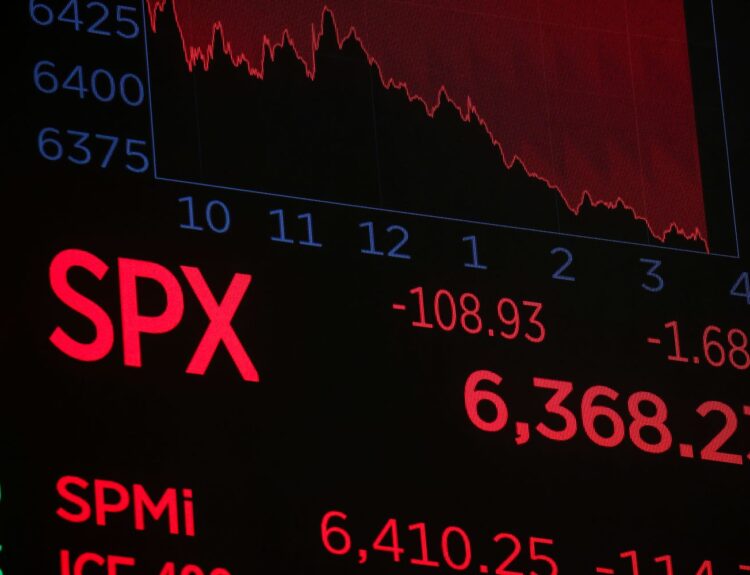
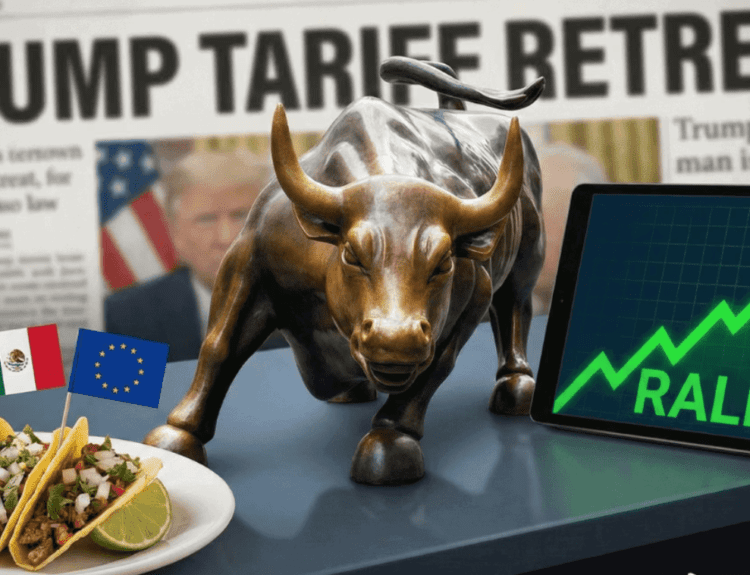
The ruling jolted markets and Washington alike. Stocks initially swung higher as investors interpreted the decision as a potential easing of trade pressure.
2. What is Trump’s immediate response?
The administration says it is not backing down.
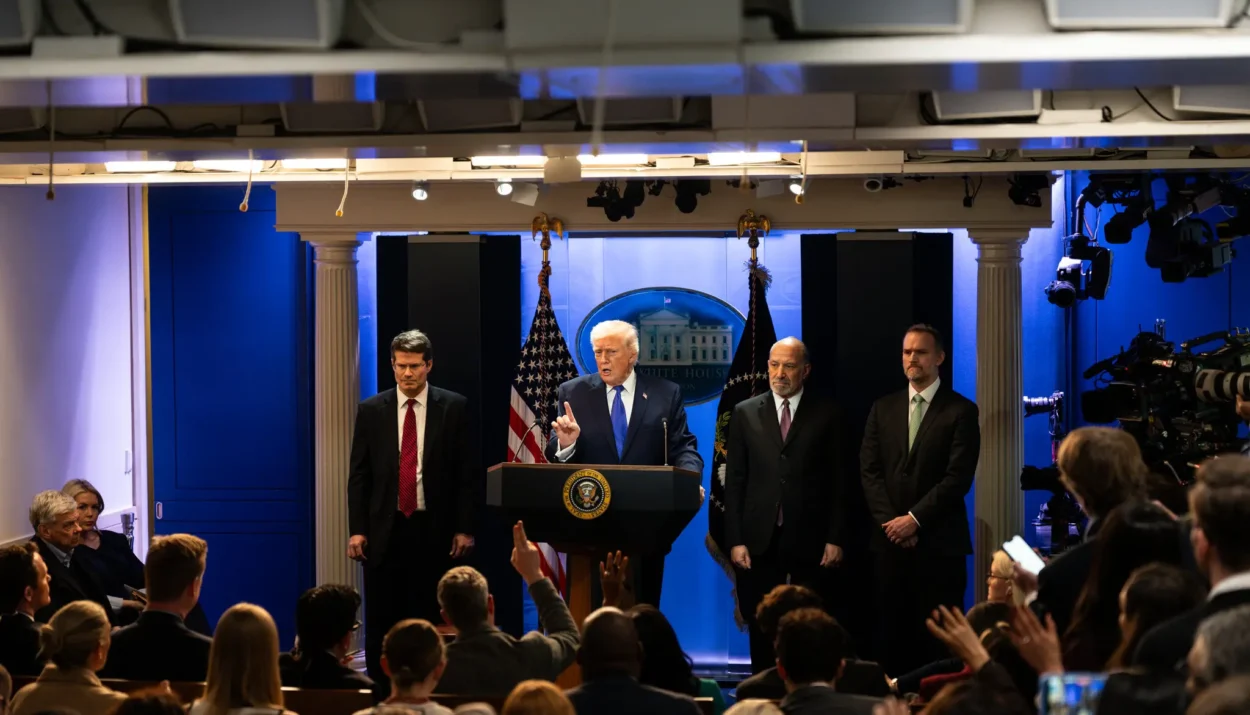
Within hours of the ruling, Trump announced a 10 percent global tariff under Section 122 of the Trade Act of 1974. A day later, he signaled he could raise that to 15 percent. (Trump Says He Will Raise Global Tariff to 15%)
But there is a major difference: Section 122 tariffs are temporary. They last only 150 days unless Congress extends them. That means this new tariff round could expire by midsummer unless lawmakers approve it.
Revenue impact is also smaller. While IEEPA tariffs generated over $133 billion in 2025, Section 122 tariffs are expected to raise roughly $33 billion over five months, according to the Tax Foundation. That is modest compared with the $1.8 trillion federal budget deficit.
3. Will companies get refunds?
This is where things get complicated.
Legal experts estimate that more than $175 billion in tariffs could potentially be subject to refund claims. Justice Brett Kavanaugh warned that the ruling could force the US Treasury to return billions to importers.
However, the process will not be simple. Companies must meet strict deadlines and complex filing requirements. Miss those deadlines, and they could lose their rights to reimbursement.
Treasury officials have suggested they may challenge some claims in court. One argument: if companies passed tariff costs to consumers, did they actually suffer losses?
That legal fight could drag on for years.
4. What legal tools could Trump use next?
The White House has signaled it may pivot to other trade authorities, including:
- Section 301, targeting unfair trade practices
- Section 232, tied to national security
Officials say these measures could replace much of the lost tariff revenue.
But each option comes with legal limits and political risks. With midterm elections approaching, Congress may hesitate to approve aggressive tariffs that could raise consumer prices.
5. What happens to Trump’s trade deals?
Trump used tariffs as leverage in negotiations with China, the European Union, Japan, and Britain. If the legal basis for those tariffs disappears, some countries may reconsider concessions they made during talks.
Trade agreements rarely collapse overnight, but the ruling could weaken Washington’s bargaining power in future negotiations.
6. Will companies actually pursue refunds?
Even if firms are entitled to refunds, they face a strategic choice.
Filing claims could trigger audits or regulatory scrutiny. Some companies may hesitate to challenge the administration publicly, especially if they depend on government approvals or policy decisions.
Major corporations including Costco, Toyota, Goodyear, and Alcoa have already sued. Others may weigh the financial reward against political risk.
Why This Matters for Markets
The decision lands at a sensitive time for the economy.
Recent data shows fourth-quarter GDP growth slowed to 1.4 percent, while core inflation remains above the Fed’s 2 percent target. At the same time, imports surged last year despite the trade war.
If tariffs fall, inflation pressures could ease, which might strengthen expectations for future interest rate cuts.
But if new tariffs replace them, uncertainty could remain high.
The Bigger Picture
For over a year, tariffs were the centerpiece of US economic strategy. They reshaped supply chains, strained alliances, and became a powerful negotiating tool.
Now that strategy faces clear legal limits. The administration says it will continue pushing tariffs through other laws. But the Supreme Court has made one point clear: broad tariff power does not belong to the president alone.
The next chapter will unfold in Congress, the courts, and global trade talks.
And for markets, the key question is simple: Is this the end of tariff dominance or just the start of a new legal battle?
Disclosure: This article does not represent investment advice. The content and materials featured on this page are for educational purposes only.